
Meta Description: Learn about freezing food in plastic containers. Understand safety concerns and best practices for plastic in the freezer.
Freezing food is convenient and reduces waste. But are plastic containers safe for freezer use? Here's what you need to know.
Freezer-Safe Plastic
Most plastic containers are freezer-safe if labeled. Freezer-safe plastic is designed to withstand low temperatures without cracking or becoming brittle.
The Chemical Concern
Plastic containers may leach chemicals into frozen food. Freezing generally reduces chemical migration compared to heating. However, as plastic degrades over time, leaching can occur.
BPA and Substitutes
Older plastic containers may contain BPA. Even BPA-free plastics may contain substitutes. While freezing is safer than heating, chemicals can still migrate slowly.
Temperature Stress
Freezing stresses plastic containers:
Cold makes plastic more brittle
Expansion from freezing food can crack containers
Repeated freeze-thaw cycles degrade plastic
Cracks can harbor bacteria
Plastic vs. Glass for Freezing
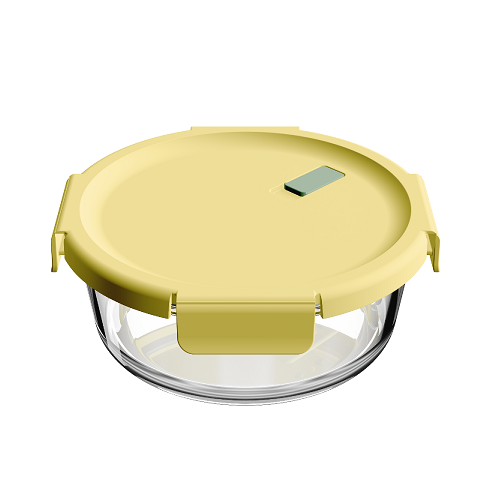
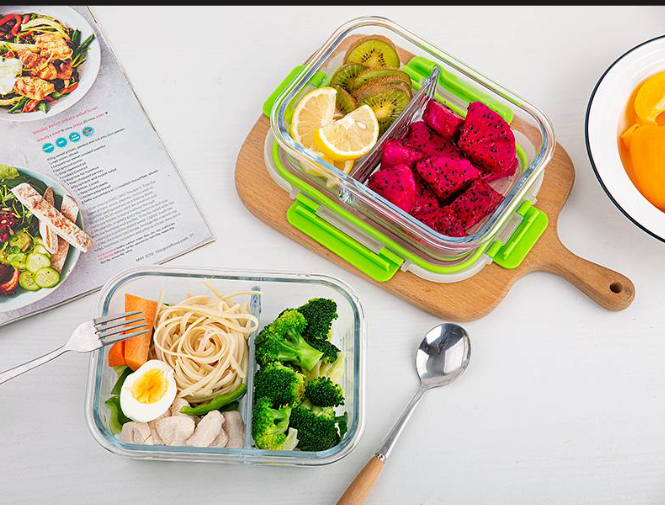
Glass containers are generally safer for freezing:
Don't degrade in cold temperatures
No chemical leaching concerns
Last indefinitely
Show contents clearly
Glass containers require leaving headspace for expansion.
Safe Plastic Freezing Practices
If using plastic containers in the freezer:
Use only freezer-safe labeled containers
Leave headspace for expansion
Don't overfill
Replace if cracked or brittle
Don't microwave frozen food in plastic
Labeling and Rotation
Label all frozen plastic containers with:
Contents
Date frozen
Use-by date
Rotate frozen items, using oldest first.
Long-Term Storage
Plastic containers are suitable for short-to-medium freezer storage (up to 3 months). For longer storage, glass or stainless steel is recommended.
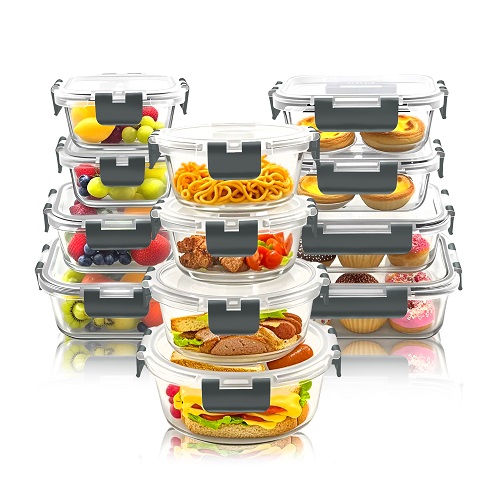 Glass Food Storage
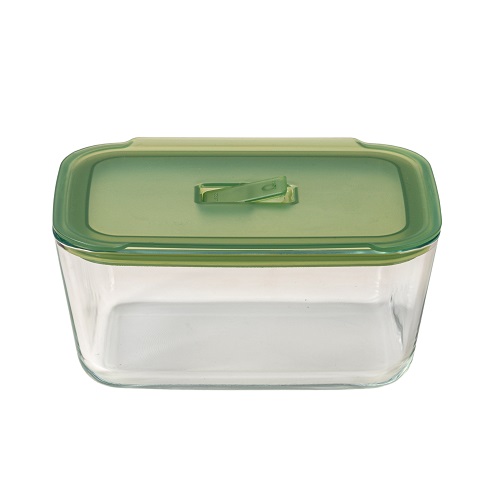 Vacuum Food Storage
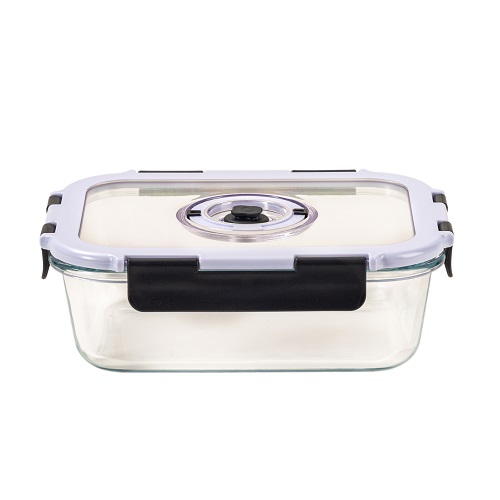 Vacuum Food Storage with Pump
 October 11,2026
 October 11,2026
 October 07,2026
Copyright ©2025 All Rights Reserved by Jiangsu Besfull Technology Co., Ltd.