
Meta Description: Know when to replace your plastic food containers. Learn the signs of wear that indicate it's time for new containers.
Plastic containers don't last forever. Knowing when to replace them is important for food safety and quality. Here are the signs it's time for new plastic containers.
Visible Cracks or Chips
Cracks and chips in plastic containers:
Harbor bacteria
Can leak chemicals
Compromise seal integrity
May break during use
Replace immediately if you see cracks or chips.
Discoloration
Plastic containers that show stains or discoloration:
Have absorbed food pigments
May retain odors
Indicate surface degradation
Can't be fully cleaned
Stains are cosmetic but suggest material breakdown.
Absorbed Odors
Plastic containers that still smell after washing:
Have absorbed food molecules
May transfer odors to other foods
Indicate porous surface
Cannot be fully cleaned
Strong odors indicate it's time for replacement.
Warping
Warped plastic containers:
Won't seal properly
May not stack correctly
Indicate heat damage
Compromised food safety
Discard warped containers immediately.
Cloudiness
Cloudy plastic containers:
Indicate surface degradation
May harbor bacteria in scratches
Can't be restored to clarity
Likely leaching chemicals
Replace cloudy containers.
Loss of Lid Seal
Lids that no longer seal properly:
Allow air and moisture in
Reduce food freshness
May leak liquids
Don't protect food quality
You can replace lids if available, otherwise replace whole container.
Frequent Replacement Need
Plastic containers need replacement every 1-3 years with regular use. Compare to glass containers that last decades. This frequent replacement adds to cost and environmental impact.
The Safer Alternative
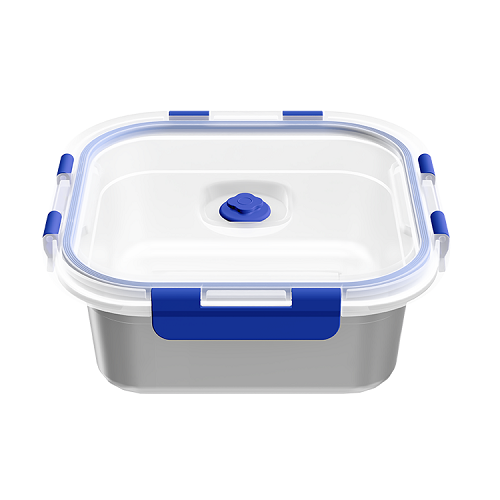
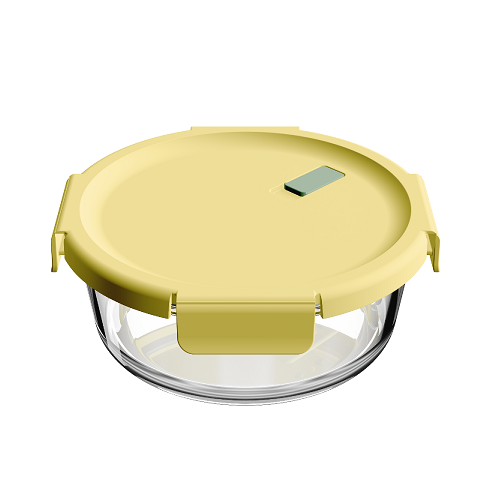
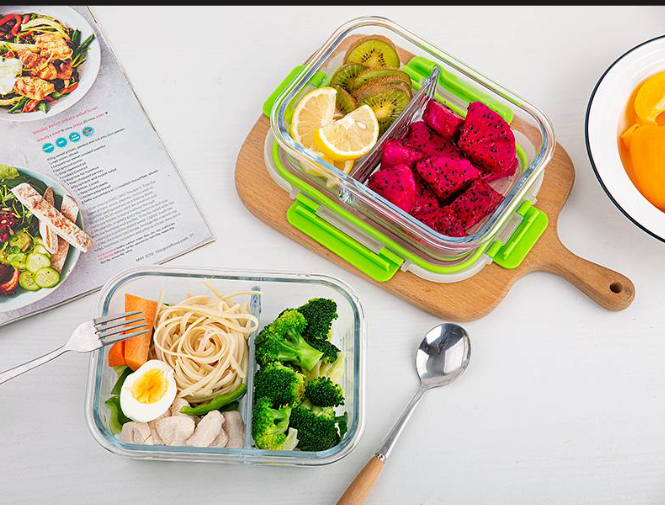
Consider transitioning to glass or stainless steel food containers. They don't degrade in the same way as plastic. They last decades, saving money and reducing waste.
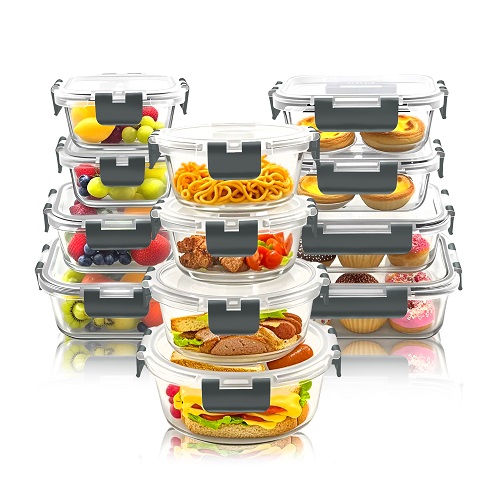 Glass Food Storage
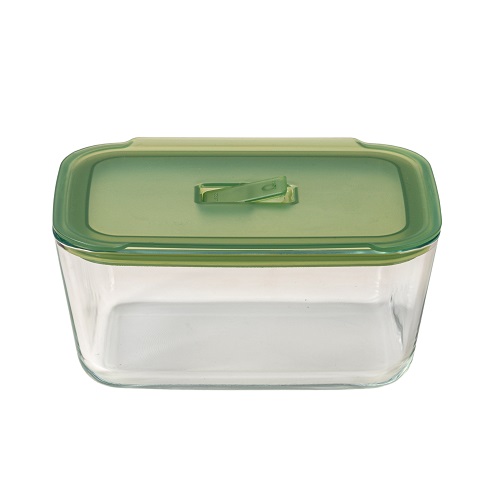 Vacuum Food Storage
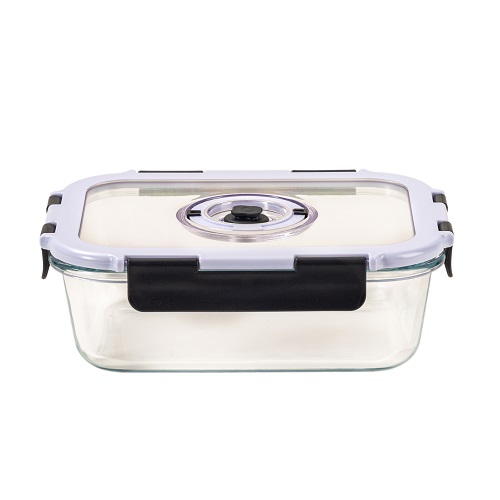 Vacuum Food Storage with Pump
 October 11,2026
 October 11,2026
 October 07,2026
Copyright ©2025 All Rights Reserved by Jiangsu Besfull Technology Co., Ltd.