
Meta Description: Understand the environmental cost of plastic food containers. Learn why switching to glass or stainless steel matters for the planet.
Plastic containers offer convenience, but their environmental impact is staggering. Understanding this impact helps explain why glass and stainless steel food containers are increasingly popular.
Plastic Production
Plastic containers are made from fossil fuels—oil and natural gas. Production releases greenhouse gases and consumes significant energy. The plastic industry contributes substantially to climate change.
Plastic Waste
Most plastic containers end up in landfills or oceans. They take hundreds of years to degrade, breaking into microplastics that enter the food chain. Even recyclable plastics are often downcycled into lower-quality products, eventually reaching landfills.
Recycling Realities
Plastic recycling has significant limitations:
Only certain types are recyclable
Recycling quality degrades with each cycle
Contamination reduces recyclability
Many areas lack recycling infrastructure
Most plastic waste isn't recycled
Microplastics
As plastic containers degrade, they release microplastics. These tiny particles enter soil, water, and air. They've been found in human blood, lungs, and placentas. The long-term health effects remain unknown.
Glass vs. Plastic Environmental Impact
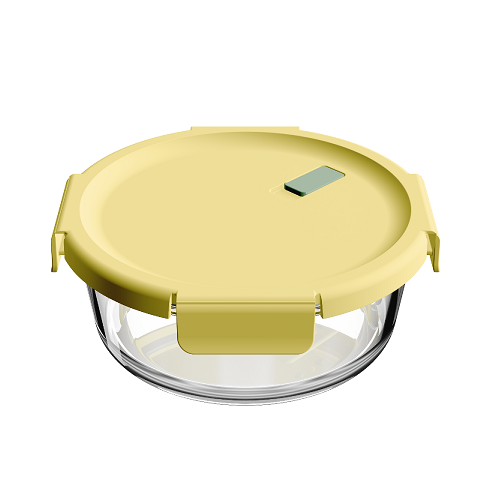
Glass containers are infinitely recyclable. They're made from abundant natural materials. They don't release toxins as they degrade—because they don't degrade.
Stainless Steel vs. Plastic Environmental Impact
Stainless steel containers are 100% recyclable. Their durability means fewer replacements and less waste. They're made from abundant materials and can be recycled indefinitely.
Making a Difference
Switching from plastic containers to glass or stainless steel reduces your environmental footprint. Each container you reuse instead of disposable alternatives prevents waste. Every glass or stainless steel container you buy instead of plastic reduces demand for fossil-fuel-based products.
The Circular Economy
Glass and stainless steel support circular economy principles. They're designed for long use and infinite recycling. Plastic containers, by contrast, are designed for short-term use and eventual disposal.
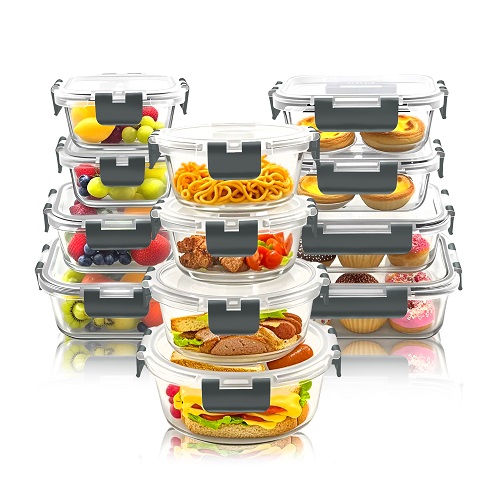 Glass Food Storage
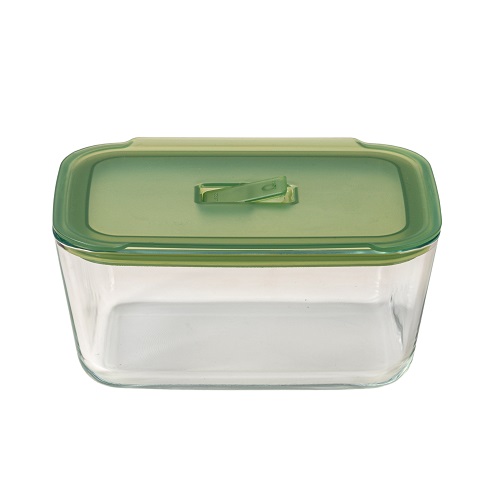 Vacuum Food Storage
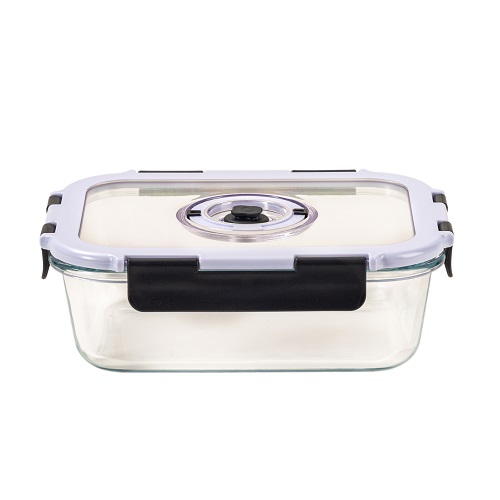 Vacuum Food Storage with Pump
 October 11,2026
 October 11,2026
 October 07,2026
Copyright ©2025 All Rights Reserved by Jiangsu Besfull Technology Co., Ltd.