
Meta Description: Decode plastic recycling numbers on food containers. Learn which plastics are safe for food storage and which to avoid.
Recycling numbers on plastic containers aren't just for recycling—they tell you about the plastic's properties and safety. Understanding these numbers helps you make informed choices.
#1 PETE (Polyethylene Terephthalate)
Common in water bottles and soda bottles. Generally safe for single use. Not recommended for repeated food storage. Can leach antimony over time. Avoid reusing for hot foods.
#2 HDPE (High-Density Polyethylene)
Found in milk jugs, detergent bottles. Considered safe for food storage. Resists chemicals and moisture. Good for dry goods storage. Recyclable widely.
#3 PVC (Polyvinyl Chloride)
Used in some food wrap, bottles. Contains phthalates, which are endocrine disruptors. Avoid for food storage. Not recyclable in most areas.
#4 LDPE (Low-Density Polyethylene)
Used in some food bags, squeeze bottles. Generally considered safe. Not as heat-resistant as HDPE. Limited recycling availability.
#5 PP (Polypropylene)
Common in plastic food containers, yogurt cups. Heat-resistant and generally safe. Often microwave-safe. BPA-free typically. One of the safer plastics for food storage.
#6 PS (Polystyrene)
Used in foam containers, some clear plastic. Can leach styrene, a possible carcinogen. Avoid for food storage, especially hot foods. Not widely recyclable.
#7 Other (Polycarbonate, etc.)
Includes polycarbonate (may contain BPA) and newer bio-plastics. BPA-free doesn't guarantee safety. Exercise caution. Look for specific material identification.
Safe Plastic Choices
For plastic containers, #2 HDPE and #5 PP are the safest choices. They're heat-resistant, BPA-free, and generally stable. Avoid #3 PVC, #6 PS, and unknown #7 plastics.
Beyond the Numbers
Recycling numbers are a starting point. Look for additional safety indicators:
BPA-free labels
Food-grade certification
FDA approval
Microwave-safe labeling
The Bottom Line
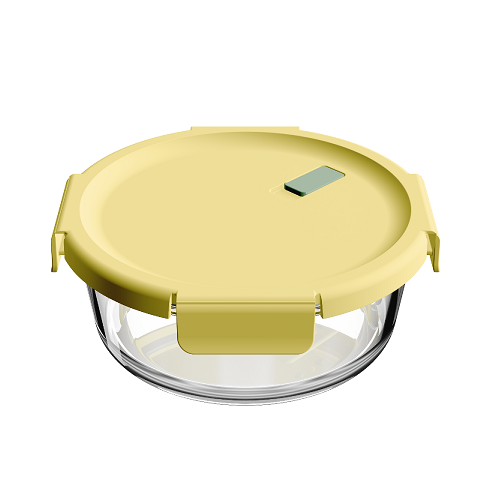
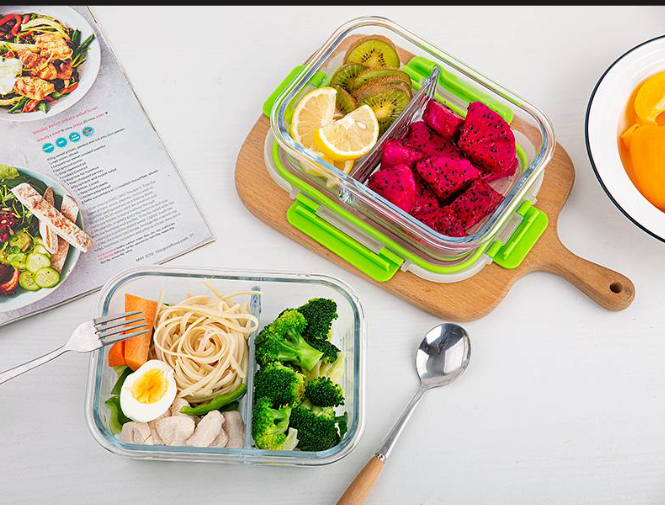
While some plastic containers are safer than others, no plastic is as safe as glass or stainless steel. Use plastic thoughtfully, avoid heating, and replace regularly.
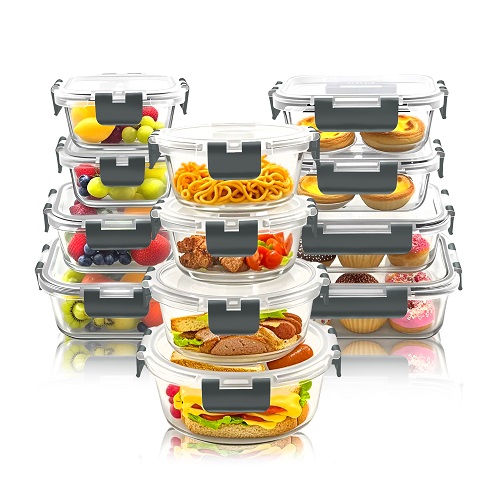 Glass Food Storage
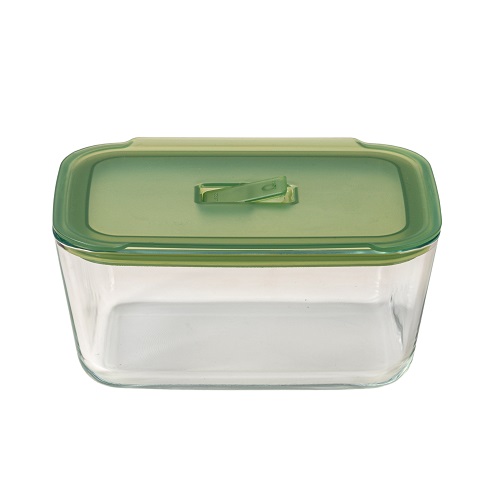 Vacuum Food Storage
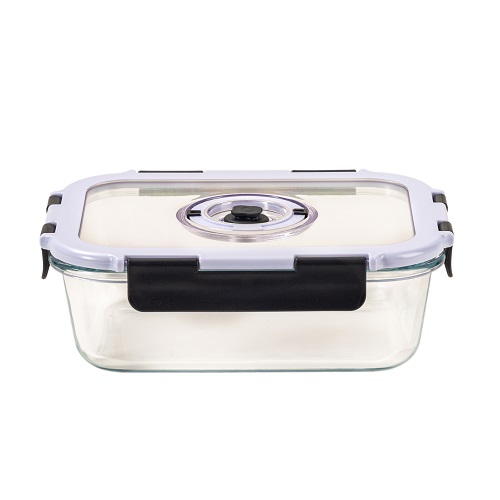 Vacuum Food Storage with Pump
 October 11,2026
 October 11,2026
 October 07,2026
Copyright ©2025 All Rights Reserved by Jiangsu Besfull Technology Co., Ltd.