
Meta Description: Master the art of freezing meals with glass food storage containers. Learn proper techniques for freezing, thawing, and reheating without breaking.
Freezing meals saves time, reduces waste, and provides convenience. Glass food storage containers freeze beautifully when used correctly. Mastering freezing techniques ensures your containers last and your food stays delicious.
Choose the Right Glass
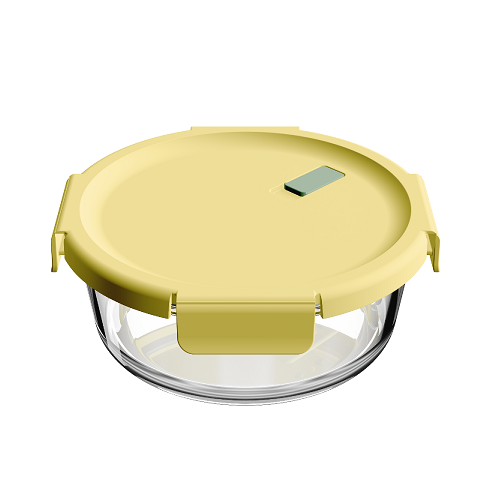
Not all glass freezes equally. Borosilicate glass withstands temperature extremes best. Check manufacturer specifications for freezer-safe ratings. Quality glass food storage containers clearly indicate freezer suitability .
Leave Headspace
Water expands when freezing. Always leave space at container top—about one inch for liquids, half inch for solids. Overfilling causes cracking as ice expands. Many glass food storage containers have fill lines indicating safe levels .
Cool Before Freezing
Hot food in freezer raises temperature, risking other foods. Cool cooked food to room temperature before transferring to glass food storage containers . Then refrigerate until thoroughly chilled before freezing. This gradual cooling prevents thermal shock.
Portion Strategically
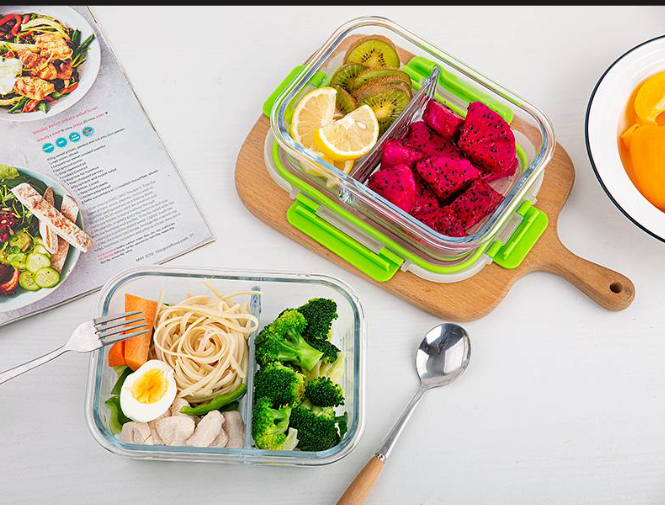
Freeze meals in portion sizes you'll actually use. Individual servings in small glass food storage containers thaw quickly. Family-sized portions work for larger gatherings. Consider your eating patterns when portioning.
Label Everything
Frozen food looks similar. Label glass food storage containers with contents and date before freezing. Use freezer-safe labels or chalk markers. Include reheating instructions for convenience.
Stack for Space
Frozen glass food storage containers stack efficiently when frozen solid. Freeze containers flat initially, then stack once frozen. This maximizes freezer space while maintaining organization.
Prevent Freezer Burn
Airtight seals prevent freezer burn. Ensure glass food storage containers lids close completely before freezing. Check seals periodically—worn seals compromise protection. Replace lids when seals degrade.
Thaw Safely
Thaw frozen glass food storage containers safely. Refrigerator thawing takes longest but safest. Cold water thawing works faster but requires monitoring. Microwave thawing works but may affect texture. Never thaw on counter at room temperature.
Avoid Temperature Shock
When removing frozen containers, avoid sudden temperature changes. Thaw in refrigerator before heating. If reheating frozen food directly, use microwave rather than oven to reduce thermal stress .
Oven Reheating
Some glass food storage containers are oven-safe. When reheating frozen food in oven, thaw first or use low temperatures. Never place frozen glass directly into hot oven—thermal shock causes breakage .
Freezer Organization
Organize frozen glass food storage containers by category: soups, main dishes, vegetables, desserts. Rotate stock, using older items first. Visibility through glass helps maintain organization .
Common Mistakes to Avoid
Avoid overfilling, which causes cracking. Avoid rapid temperature changes. Avoid stacking unfrozen containers, which can shift and break. Avoid using damaged containers—chips compromise structural integrity.
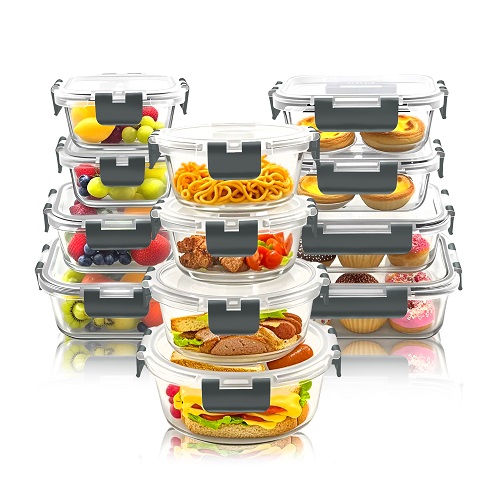 Glass Food Storage
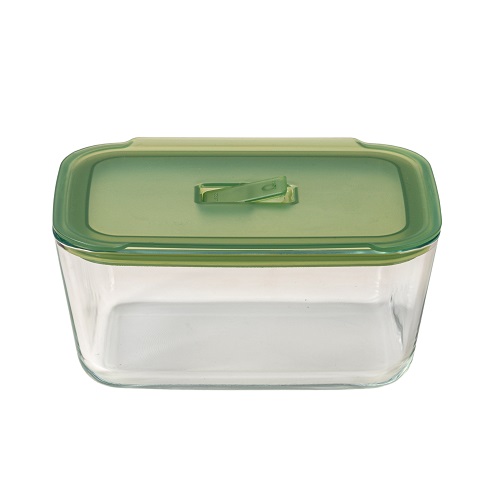 Vacuum Food Storage
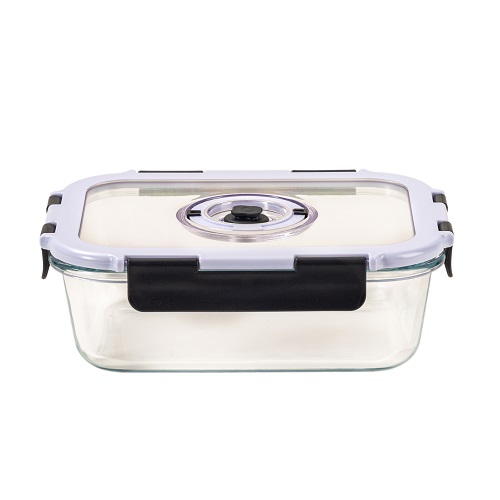 Vacuum Food Storage with Pump
 October 11,2026
 October 11,2026
 October 07,2026
Copyright ©2025 All Rights Reserved by Jiangsu Besfull Technology Co., Ltd.