
Meta Description: Compare the environmental impact of glass and plastic food containers. Learn which material is truly more sustainable.
Environmental concerns drive many consumers to choose glass food storage containers over plastic. But is glass always more eco-friendly? The answer is nuanced. Here's the environmental comparison.
Manufacturing Impact
Plastic containers require less energy to manufacture. They're made from fossil fuels and produce fewer greenhouse gases during production. However, this manufacturing ease comes at a cost.
Glass containers require more energy to produce. Melting sand and minerals at high temperatures uses significant energy. But glass is made from abundant natural materials, not fossil fuels.
Lifespan and Durability
Glass containers last decades with proper care. One glass container replaces 10-30 plastic containers over its lifetime. This longevity reduces manufacturing demand and associated environmental impact.
Plastic containers have a shorter lifespan. They degrade, warp, and need replacement every few years. More frequent replacement means more manufacturing and waste.
Recycling Efficiency
Glass containers are 100% recyclable and can be recycled indefinitely without quality loss. Recycling glass uses 40% less energy than creating new glass from raw materials.
Plastic containers are often downcycled into lower-quality products. Most plastic ends up in landfills or oceans. Even recyclable plastic degrades in quality with each recycling cycle.
End-of-Life Impact
Glass containers don't release toxins as they degrade. They are inert and harmless in the environment. They can be recycled or safely disposed.
Plastic containers degrade into microplastics that enter the environment and food chain. They persist for hundreds of years, causing ongoing pollution.
Weight and Transport
Plastic containers are lighter, requiring less fuel to transport. This reduces the carbon footprint of shipping.
Glass containers are heavier, increasing transport emissions. However, their longevity spreads this impact over many more uses.
The Verdict
Over a product's full lifecycle, glass food storage containers are generally more eco-friendly than plastic. Their durability, recyclability, and inertness outweigh their manufacturing and transport impacts.
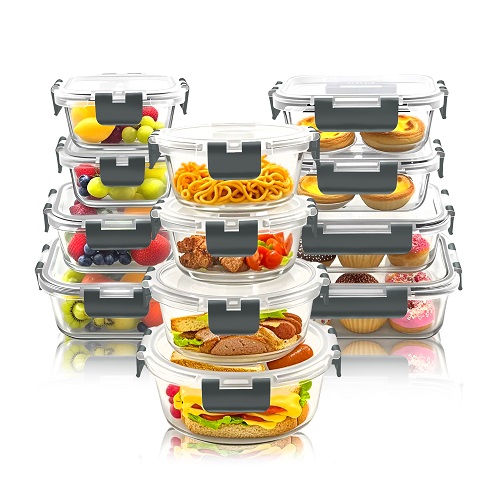 Glass Food Storage
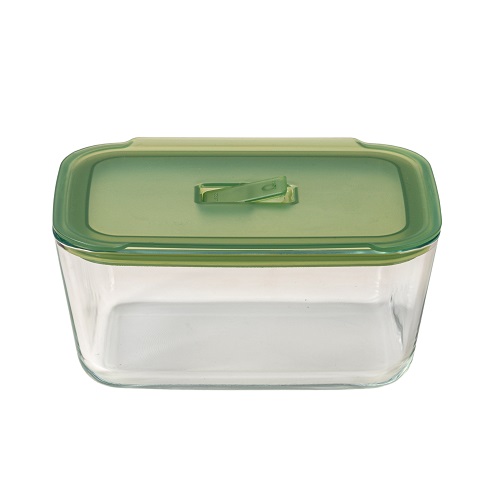 Vacuum Food Storage
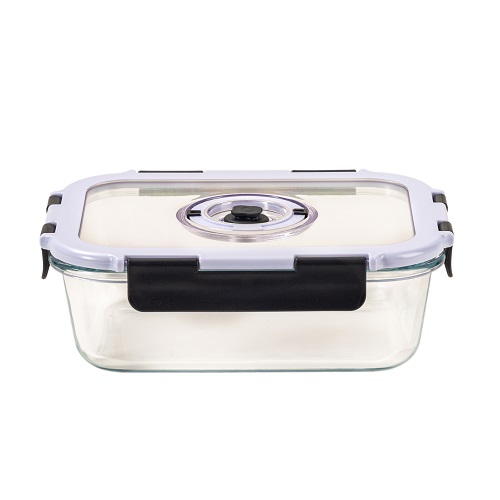 Vacuum Food Storage with Pump
 October 11,2026
 October 11,2026
 October 07,2026
Copyright ©2025 All Rights Reserved by Jiangsu Besfull Technology Co., Ltd.