
Meta Description: Decode microwave-safe labels on plastic food containers. Learn what testing standards mean and when to trust the microwave-safe claim.
You've seen the label: "microwave-safe" on plastic containers. But what does it actually mean? Understanding microwave-safe certification helps you use plastic food containers more safely.
What Microwave-Safe Means
Microwave-safe means the plastic container has been tested and found suitable for microwave use. It won't melt, warp, or release harmful chemicals when heated according to manufacturer guidelines. However, "microwave-safe" doesn't mean "indestructible" or "safe for all heating conditions."
Testing Standards
Microwave-safe certification involves testing for:
Heat resistance—container doesn't melt or warp
Chemical migration—limited chemical transfer to food
Food safety—no harmful substances released
Different countries have different testing standards. In the US, the FDA regulates food contact materials. In Europe, LFGB certification is common.
What Microwave-Safe Doesn't Mean
Microwave-safe plastic containers are not:
Safe for all heating times
Safe for all food types (oily foods get hotter)
Safe for repeated use (degradation occurs)
Safe for high-fat or high-sugar foods (these get very hot)
Safe if scratched or damaged
Limitations of Microwave-Safe Plastic
Even microwave-safe plastic containers have limitations:
They may release trace chemicals when heated
They can warp over time from repeated use
They're not oven-safe (different temperature range)
They should not be used for extended heating
Safe Microwave Practices with Plastic
If you microwave plastic containers:
Follow manufacturer guidelines
Don't exceed recommended time or temperature
Don't reuse microwave-safe containers indefinitely
Replace if warped, scratched, or stained
Avoid heating oily or sugary foods in plastic
Vent lids to allow steam release
The Safer Alternative
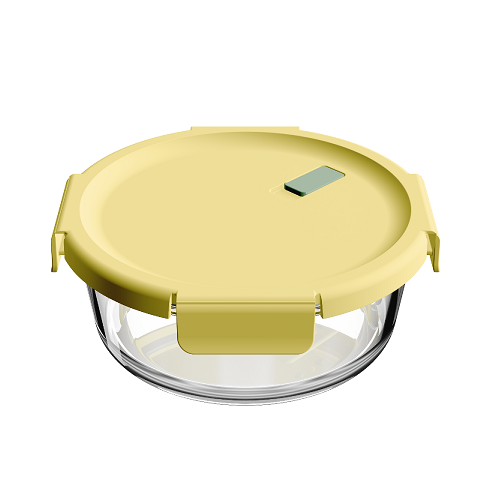
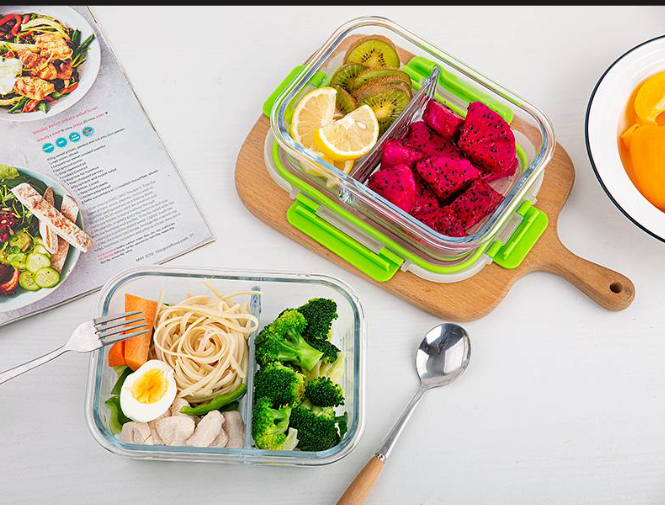
While microwave-safe plastic containers are better than unlabeled plastic, glass food storage containers remain the safer choice for microwave reheating. Glass is inert, doesn't degrade, and won't leach chemicals at any temperature.
When to Use Plastic in Microwave
Limited use is acceptable:
Brief reheating (1-2 minutes)
Lower power settings
Foods with low fat and sugar content
Occasional use rather than daily
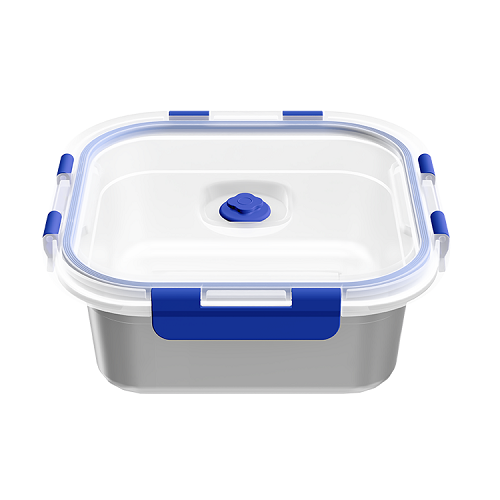
For daily reheating, glass or microwave-safe stainless steel is recommended.
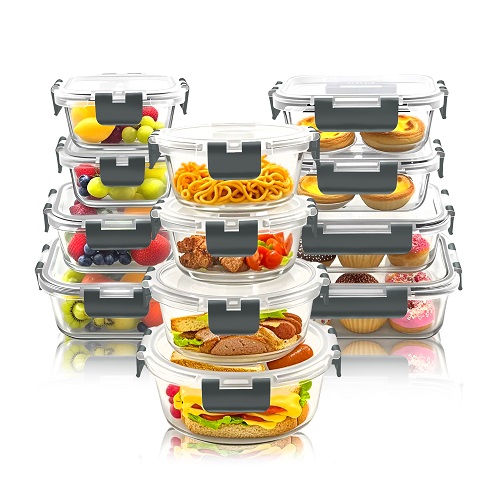 Glass Food Storage
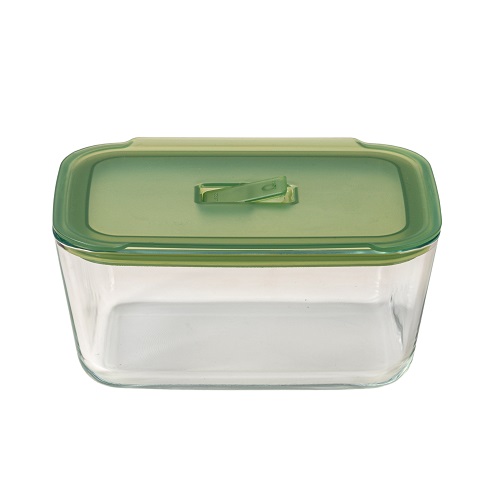 Vacuum Food Storage
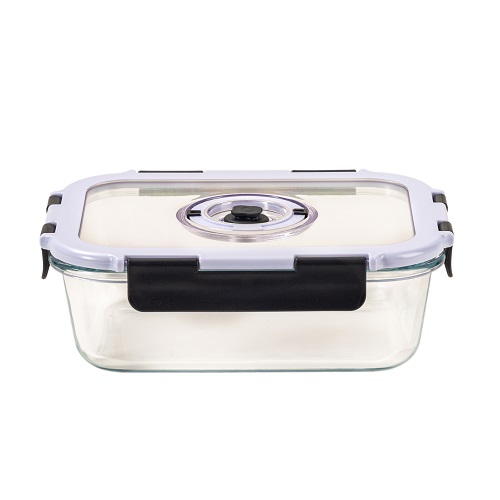 Vacuum Food Storage with Pump
 October 11,2026
 October 11,2026
 October 07,2026
Copyright ©2025 All Rights Reserved by Jiangsu Besfull Technology Co., Ltd.