
Meta Description: See how glass and plastic compare on stain resistance. Learn why glass food storage containers stay clean while plastic holds stains.
Anyone who's stored tomato sauce in a plastic container knows the struggle: stubborn orange stains that won't wash out. Glass food storage containers tell a different story. Here's why glass wins on stain resistance.
The Stain Problem with Plastic
Plastic containers are porous at a microscopic level. Food pigments, especially from tomatoes, turmeric, and beets, penetrate these pores. The result: permanent stains that no amount of scrubbing removes.
Plastic's stain absorption occurs because:
Surface has microscopic pores
Pigments bond with plastic molecules
Heat and oil accelerate staining
Scratches create more surface area for stains
Why Glass Doesn't Stain
Glass food storage containers are non-porous. Their smooth, impermeable surface doesn't allow food pigments to penetrate. Tomato sauce wipes clean. Turmeric washes off. Beets leave no trace.
Glass's stain resistance comes from:
Non-porous surface
Chemically inert material
No pores for pigments to enter
Smooth surface that doesn't hold residue
The Visual Evidence
Place a tomato-based food in plastic containers and glass food storage containers. Heat and store both. After washing:
Plastic container: orange stain remains
Glass container: crystal clear
This visual difference is dramatic—and permanent.
Stain Absorption Over Time
Plastic containers accumulate stains over repeated use. Each stain adds to the container's discoloration. Eventually, even clear plastic becomes permanently clouded or tinted. Glass containers remain clear after years of use.
Odor Absorption
Stains are only one issue. Plastic containers also absorb odors. Garlic, curry, fish—these smells linger in plastic long after washing. Glass containers absorb no odors, remaining fresh and neutral.
Health Implications
Stained plastic containers may harbor bacteria in microscopic scratches. The stains themselves indicate material degradation, which can increase chemical leaching. Glass containers provide no such concerns.
The Practical Choice
For foods that stain—tomato sauce, curries, chili, beets—glass food storage containers are the clear winner. They stay clean, clear, and odor-free. Plastic simply can't match this performance.
Meta Description: See how glass and plastic compare on stain resistance. Learn why glass food storage containers stay clean while plastic holds stains.
Anyone who's stored tomato sauce in a plastic container knows the struggle: stubborn orange stains that won't wash out. Glass food storage containers tell a different story. Here's why glass wins on stain resistance.
The Stain Problem with Plastic
Plastic containers are porous at a microscopic level. Food pigments, especially from tomatoes, turmeric, and beets, penetrate these pores. The result: permanent stains that no amount of scrubbing removes.
Plastic's stain absorption occurs because:
Surface has microscopic pores
Pigments bond with plastic molecules
Heat and oil accelerate staining
Scratches create more surface area for stains
Why Glass Doesn't Stain
Glass food storage containers are non-porous. Their smooth, impermeable surface doesn't allow food pigments to penetrate. Tomato sauce wipes clean. Turmeric washes off. Beets leave no trace.
Glass's stain resistance comes from:
Non-porous surface
Chemically inert material
No pores for pigments to enter
Smooth surface that doesn't hold residue
The Visual Evidence
Place a tomato-based food in plastic containers and glass food storage containers. Heat and store both. After washing:
Plastic container: orange stain remains
Glass container: crystal clear
This visual difference is dramatic—and permanent.
Stain Absorption Over Time
Plastic containers accumulate stains over repeated use. Each stain adds to the container's discoloration. Eventually, even clear plastic becomes permanently clouded or tinted. Glass containers remain clear after years of use.
Odor Absorption
Stains are only one issue. Plastic containers also absorb odors. Garlic, curry, fish—these smells linger in plastic long after washing. Glass containers absorb no odors, remaining fresh and neutral.
Health Implications
Stained plastic containers may harbor bacteria in microscopic scratches. The stains themselves indicate material degradation, which can increase chemical leaching. Glass containers provide no such concerns.
The Practical Choice
For foods that stain—tomato sauce, curries, chili, beets—glass food storage containers are the clear winner. They stay clean, clear, and odor-free. Plastic simply can't match this performance.
Meta Description: See how glass and plastic compare on stain resistance. Learn why glass food storage containers stay clean while plastic holds stains.
Anyone who's stored tomato sauce in a plastic container knows the struggle: stubborn orange stains that won't wash out. Glass food storage containers tell a different story. Here's why glass wins on stain resistance.
The Stain Problem with Plastic
Plastic containers are porous at a microscopic level. Food pigments, especially from tomatoes, turmeric, and beets, penetrate these pores. The result: permanent stains that no amount of scrubbing removes.
Plastic's stain absorption occurs because:
Surface has microscopic pores
Pigments bond with plastic molecules
Heat and oil accelerate staining
Scratches create more surface area for stains
Why Glass Doesn't Stain
Glass food storage containers are non-porous. Their smooth, impermeable surface doesn't allow food pigments to penetrate. Tomato sauce wipes clean. Turmeric washes off. Beets leave no trace.
Glass's stain resistance comes from:
Non-porous surface
Chemically inert material
No pores for pigments to enter
Smooth surface that doesn't hold residue
The Visual Evidence
Place a tomato-based food in plastic containers and glass food storage containers. Heat and store both. After washing:
Plastic container: orange stain remains
Glass container: crystal clear
This visual difference is dramatic—and permanent.
Stain Absorption Over Time
Plastic containers accumulate stains over repeated use. Each stain adds to the container's discoloration. Eventually, even clear plastic becomes permanently clouded or tinted. Glass containers remain clear after years of use.
Odor Absorption
Stains are only one issue. Plastic containers also absorb odors. Garlic, curry, fish—these smells linger in plastic long after washing. Glass containers absorb no odors, remaining fresh and neutral.
Health Implications
Stained plastic containers may harbor bacteria in microscopic scratches. The stains themselves indicate material degradation, which can increase chemical leaching. Glass containers provide no such concerns.
The Practical Choice
For foods that stain—tomato sauce, curries, chili, beets—glass food storage containers are the clear winner. They stay clean, clear, and odor-free. Plastic simply can't match this performance.
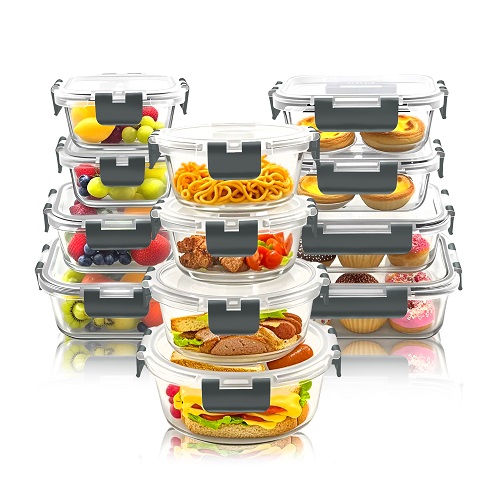 Glass Food Storage
 Vacuum Food Storage
 Vacuum Food Storage with Pump
 October 11,2026
 October 11,2026
 October 07,2026
Copyright ©2025 All Rights Reserved by Jiangsu Besfull Technology Co., Ltd.