
Borosilicate Glass: The Premium Choice for Food Storage
Meta Description: Learn why borosilicate glass food storage containers outperform standard glass. Discover the benefits of thermal shock resistance and chemical inertness.
Not all glass is created equal. When shopping for glass food storage containers, you'll encounter two main types: soda-lime glass and borosilicate glass. Understanding the difference helps you make a smarter purchase.
What Is Borosilicate Glass?
Borosilicate glass contains boron trioxide, which gives it exceptional resistance to thermal shock. Originally developed for laboratory equipment, borosilicate glass can withstand extreme temperature changes without breaking. This makes borosilicate glass food storage containers ideal for going from freezer to oven or from refrigerator to boiling water.
Thermal Shock Resistance
Standard soda-lime glass can crack when exposed to sudden temperature changes. Borosilicate glass handles temperature swings up to 300°C. You can take a borosilicate container from the freezer and place it directly into a preheated oven—no waiting, no worrying.
Superior Durability
Borosilicate glass is 2-3 times stronger than regular glass. It's less likely to break from thermal stress or impact. While no glass is unbreakable, borosilicate offers significantly better durability.
Chemical Resistance
Borosilicate glass has excellent chemical resistance. It won't leach into foods, even when storing acidic or oily items for extended periods. This chemical stability makes it the safest choice for food storage.
Versatility
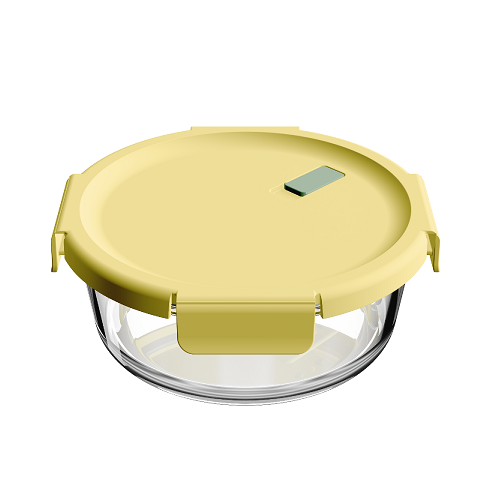
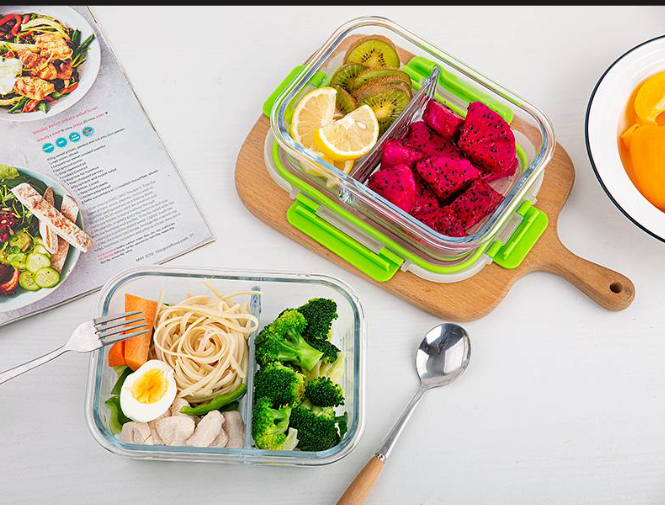
Borosilicate glass food storage containers are microwave-safe, oven-safe, freezer-safe, and dishwasher-safe. Some can withstand temperatures up to 600°F. This versatility means one container handles cooking, storing, reheating, and serving.
Cost Consideration
Borosilicate glass costs more than soda-lime glass. However, its superior durability and thermal resistance justify the premium for many users. If you frequently reheat food or move dishes between temperature extremes, borosilicate is worth the investment.
Identifying Borosilicate
Not all glass containers clearly state their composition. Look for "borosilicate" on packaging or product descriptions. Reputable brands clearly label their glass type. When in doubt, check the temperature rating—borosilicate typically handles higher temperatures than soda-lime glass.
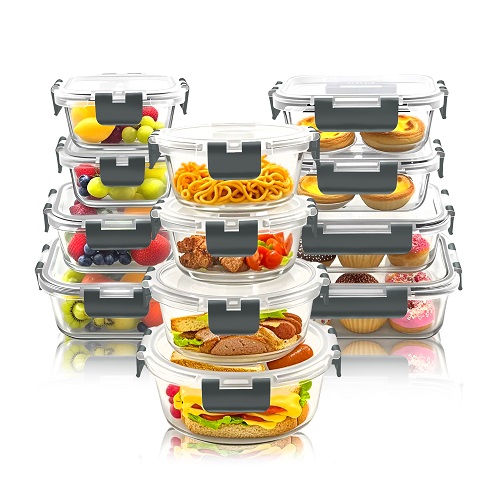 Glass Food Storage
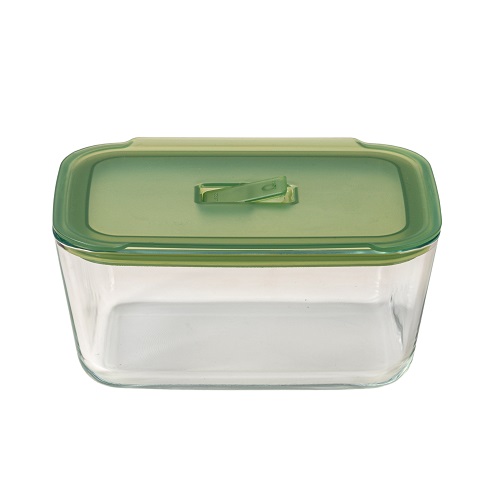 Vacuum Food Storage
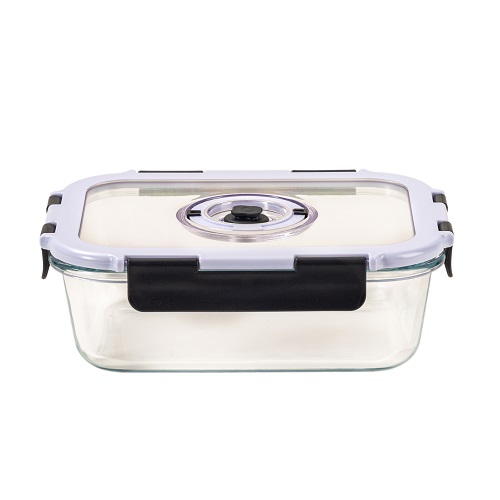 Vacuum Food Storage with Pump
 October 11,2026
 October 11,2026
 October 07,2026
Copyright ©2025 All Rights Reserved by Jiangsu Besfull Technology Co., Ltd.