
Meta Description: Understand the pros and cons of plastic food storage containers. Learn about BPA, safe usage guidelines, and when to replace your plastic containers.
Plastic food containers are everywhere. They're cheap, lightweight, and convenient. But growing concerns about chemical leaching and environmental impact have many consumers questioning their plastic habit. Here's what you need to know.
The Convenience Factor
Plastic containers offer undeniable advantages. They're lightweight, making them ideal for packed lunches and travel. They're affordable—a set of plastic containers costs significantly less than glass or stainless steel. They're virtually unbreakable, which matters for kids' lunch boxes and outdoor adventures. And they're transparent, allowing you to see contents at a glance.
The BPA Question
Bisphenol A (BPA) is a chemical found in some plastics that can leach into food. BPA is a known endocrine disruptor that may affect brain development, prostate health, and behavior in fetuses, infants, and children. Many manufacturers now produce BPA-free plastic containers. However, BPA-free doesn't mean chemical-free—substitutes like BPS and BPF may carry similar risks.
Safe Usage Guidelines
To minimize risks with plastic food containers:
Avoid heating food in plastic
Don't microwave plastic containers, even if labeled microwave-safe
Hand wash rather than dishwashing—heat degrades plastic
Replace scratched, cracked, or warped containers immediately
Look for BPA-free labels and food-grade certifications
When to Replace Plastic
Plastic containers don't last forever. Signs it's time to replace:
Cracks or chips that harbor bacteria
Discoloration or staining
Warping or deformation
Lingering odors that won't wash out
Cloudiness indicating surface degradation
The Environmental Cost
Plastic containers have a significant environmental footprint. They're made from fossil fuels, and most end up in landfills or oceans. Even recyclable plastics are often downcycled into lower-quality products. For eco-conscious consumers, plastic containers are increasingly hard to justify.
A Balanced Approach
Despite concerns, plastic containers still have a place. Many experts recommend limiting plastic use while acknowledging its convenience. Use glass or stainless steel for reheating and long-term storage. Reserve plastic for situations where weight and breakability matter most.
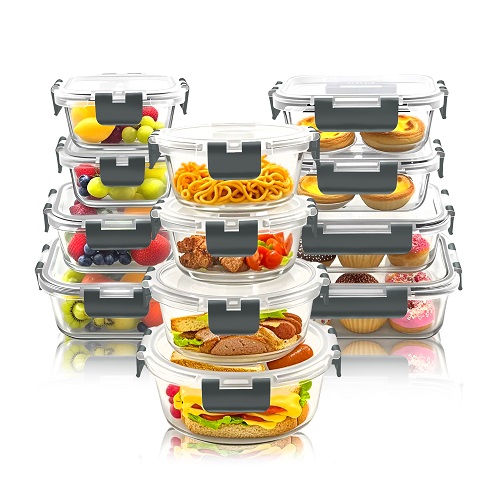 Glass Food Storage
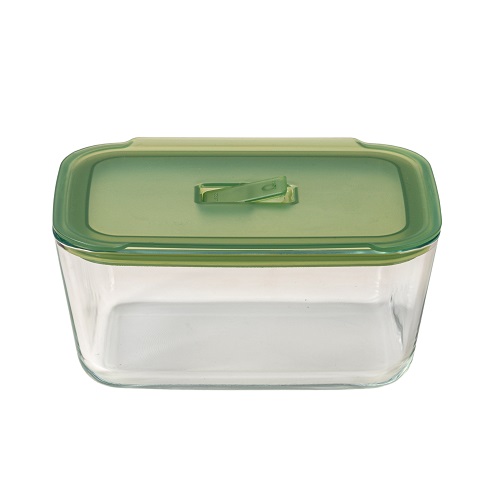 Vacuum Food Storage
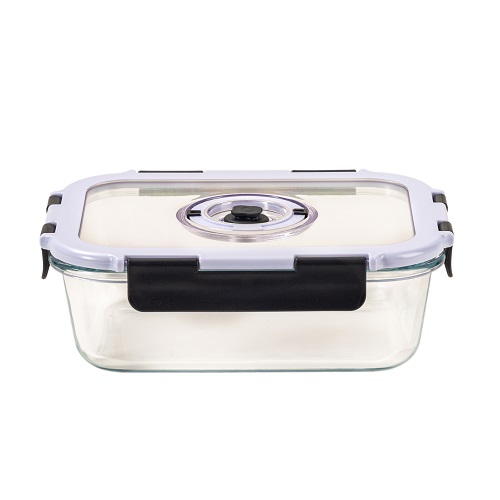 Vacuum Food Storage with Pump
 October 11,2026
 October 11,2026
 October 07,2026
Copyright ©2025 All Rights Reserved by Jiangsu Besfull Technology Co., Ltd.