
Meta Description: Navigate the world of plastic food containers with confidence. Learn to identify food-grade plastics and understand safety labels.
Not all plastic containers are created equal. Some are safe for food storage; others aren't. Understanding how to identify food-grade plastics helps you make safer choices for your family.
What Does "Food-Grade" Mean?
Food-grade plastic meets specific safety standards for contact with food. These plastics are manufactured without harmful additives that could migrate into food. Food-grade containers carry certifications like FDA approval, LFGB (European food safety), or SGS certification.
Identifying Food-Grade Plastic
Look for these indicators:
Recycling codes: Numbers 1 (PETE), 2 (HDPE), 4 (LDPE), and 5 (PP) are generally food-safe
BPA-free labels: Indicates the container doesn't contain Bisphenol A
Food-safe symbols: Glass-and-fork symbol or "food grade" text
Temperature ratings: Indicates safe usage range
Plastic Types for Food Storage
Polypropylene (PP, #5): Common in plastic food containers. Heat-resistant, dishwasher-safe, and generally BPA-free.
Polyethylene (HDPE #2, LDPE #4): Used for bottles and bags. Food-safe but less heat-resistant.
Polycarbonate (#7): May contain BPA—avoid for food storage.
What to Avoid
Containers without recycling codes
Cracked, scratched, or warped containers
Containers that smell like chemicals
Takeout containers not labeled for reuse
Any plastic with #3 (PVC) or #6 (PS) for food storage
Safe Usage Practices
Even food-grade plastic containers require careful use:
Don't microwave plastic, even if labeled microwave-safe
Avoid dishwashing—heat degrades plastic
Don't store hot food in plastic
Do not use for long-term storage of acidic or oily foods
Replace scratched containers immediately
The Bottom Line
While plastic containers offer convenience, they require more careful selection and usage than glass or stainless steel. Choose BPA-free, food-grade plastics from reputable brands. Follow safe usage guidelines. And consider reducing plastic use where possible.
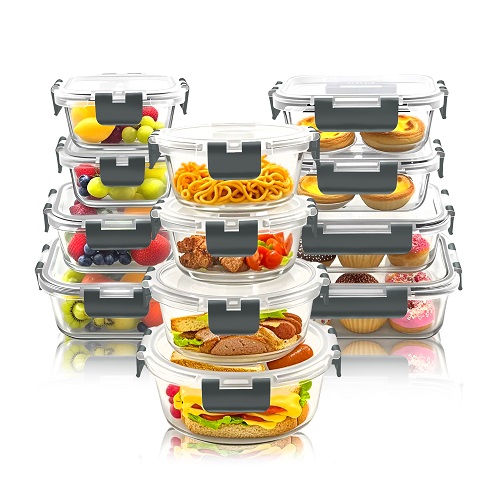 Glass Food Storage
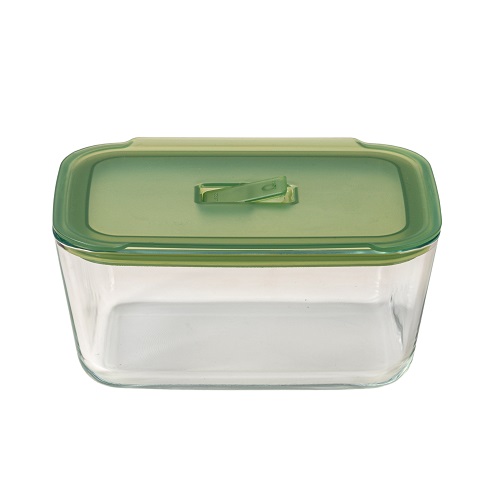 Vacuum Food Storage
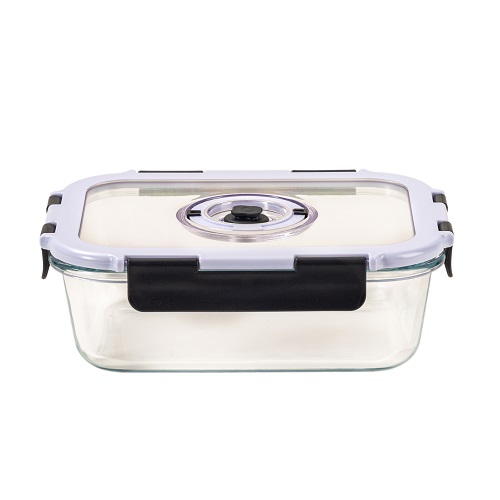 Vacuum Food Storage with Pump
 October 11,2026
 October 11,2026
 October 07,2026
Copyright ©2025 All Rights Reserved by Jiangsu Besfull Technology Co., Ltd.