
Meta Description: Compare glass, plastic, and stainless steel food storage containers side by side. Learn which material best suits your kitchen, lifestyle, and values.
Choosing the right food storage container can feel overwhelming. Walk down any kitchen aisle, and you're faced with glass, plastic, and stainless steel options in every shape and size. Each material has distinct advantages and drawbacks. Understanding these differences helps you build a collection that truly serves your needs.
Glass Food Storage Containers: The Transparent Workhorse
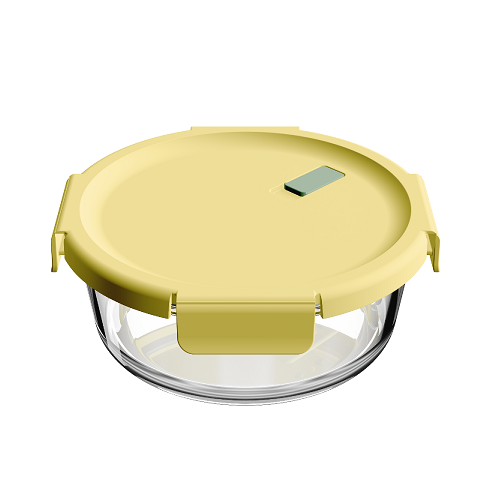
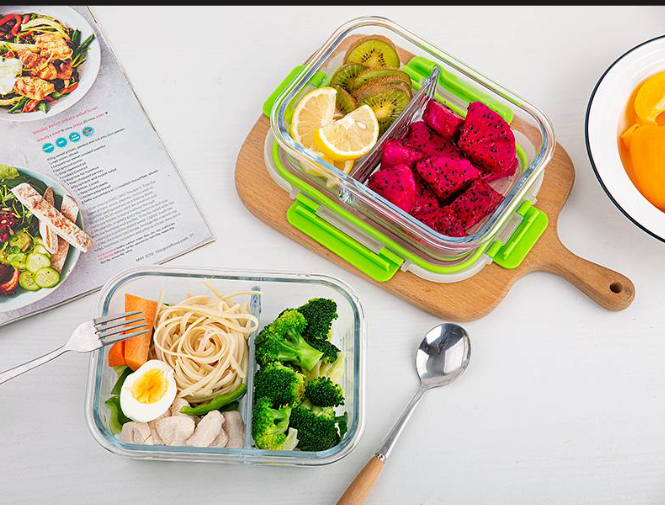
Glass containers have become the gold standard for health-conscious cooks. They are non-porous, meaning they don't absorb odors, stains, or bacteria. This makes glass food storage containers ideal for storing strongly flavored foods like curries or tomato-based sauces. Glass is also incredibly versatile—most glass food storage containers are microwave-safe, oven-safe, freezer-safe, and dishwasher-safe. However, glass is heavy and breakable, making it less ideal for travel or children's lunch boxes.
Plastic Food Containers: Lightweight and Affordable
Plastic containers dominate the market for good reason. They're lightweight, affordable, and virtually unbreakable. Modern plastic food containers often carry BPA-free labels, addressing health concerns. They're great for on-the-go meals, kids' lunch boxes, and budget-conscious shoppers. However, plastic has significant downsides. It absorbs odors and stains over time. More concerning, plastics can leach chemicals when heated, even BPA-free varieties may contain substitute compounds with unknown health effects. Plastic also has a shorter lifespan than glass or steel.
Stainless Steel Food Containers: The Durable Contender
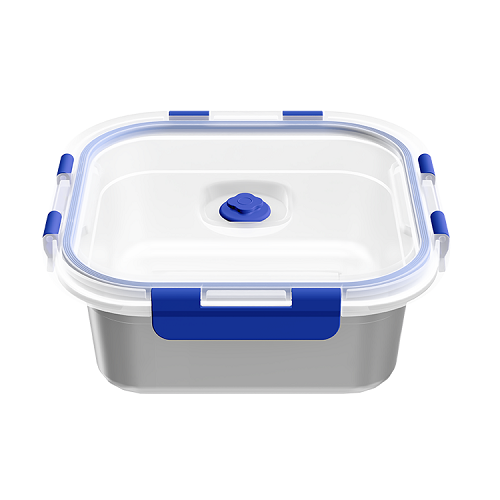
Stainless steel food containers have surged in popularity. They're lightweight, incredibly durable, and won't stain or retain odors. High-grade stainless steel (304 or 18/8) is non-toxic, inert, and 100% recyclable. Unlike plastic, stainless steel lunch boxes don't leach chemicals into food. The main drawback? You can't see what's inside without opening the lid. And traditionally, stainless steel couldn't go in the microwave—though innovative microwave-safe stainless steel options are now emerging.
The Verdict
There's no single "best" material. Glass food storage containers excel for home storage and reheating. Plastic food containers work well for portability and budget. Stainless steel food containers shine for durability and chemical safety. Many experts recommend a hybrid approach: use glass for home leftovers and microwave reheating, stainless steel for packed lunches, and limit plastic to situations where breakage is a concern.
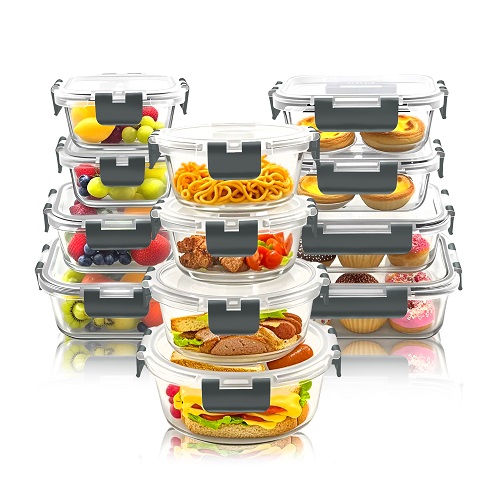 Glass Food Storage
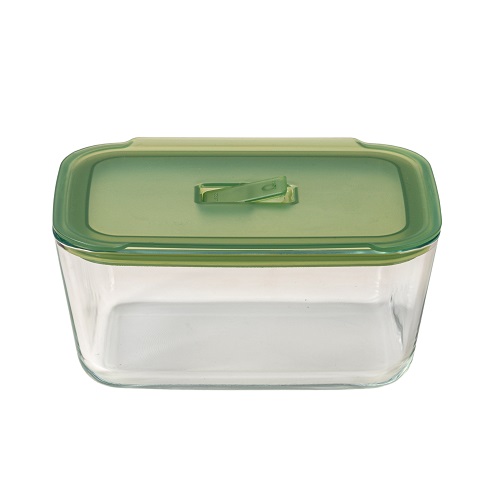 Vacuum Food Storage
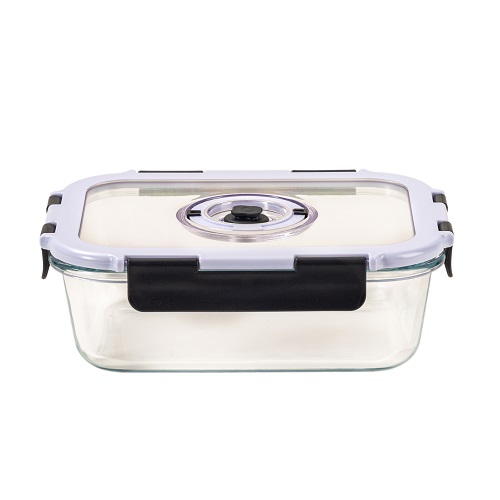 Vacuum Food Storage with Pump
 October 11,2026
 October 11,2026
 October 07,2026
Copyright ©2025 All Rights Reserved by Jiangsu Besfull Technology Co., Ltd.