
Meta Description: Learn why glass food storage containers are completely BPA-free. Discover why glass is safer than even BPA-free plastic.
BPA-free labels appear on many plastic containers. But glass food storage containers go beyond BPA-free—they're completely chemical-free. Here's why glass is the safest choice.
What BPA-Free Really Means
BPA-free means the plastic container doesn't contain Bisphenol A. However:
BPA substitutes may be used
Substitutes may carry similar risks
Long-term effects unknown
"BPA-free" doesn't mean chemical-free
Glass: No BPA, No Substitutes
Glass food storage containers contain:
No BPA
No BPS or BPF substitutes
No plasticizers
No phthalates
No chemicals at all
Glass is made from natural materials—sand, soda ash, limestone.
The Chemical Migration Concern
Plastic containers, even BPA-free ones, can leach chemicals:
Heat accelerates leaching
Acidic foods increase risk
Oily foods cause more leaching
Scratched plastic leaches more
Glass containers don't leach anything. Period.
Endocrine Disruptors
Many plastic chemicals are endocrine disruptors:
Interfere with hormone function
May affect development
Potential long-term health effects
BPA substitutes may be similarly harmful
Glass containers have no endocrine-disrupting chemicals.
The Safe Alternative
Glass containers are the safest choice for:
Long-term food storage
Reheating food
Storing acidic or oily foods
Baby food preparation
Daily meal prep
Cost vs. Health
Glass containers cost more but provide peace of mind. The health benefit of eliminating chemical exposure is worth the investment.
Making the Switch
Transition to glass containers gradually:
Replace plastic used for reheating first
Replace plastic used for acidic foods
Replace frequently used containers
Build a complete set over time
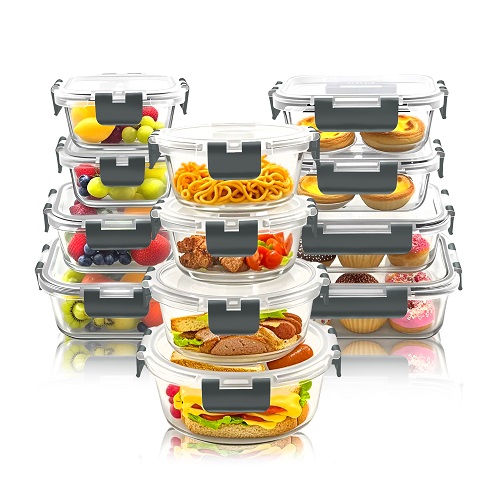 Glass Food Storage
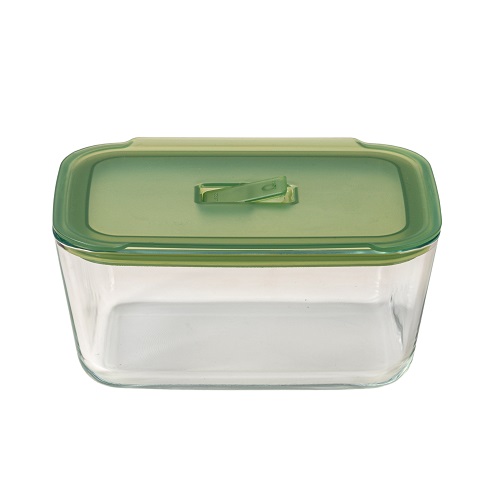 Vacuum Food Storage
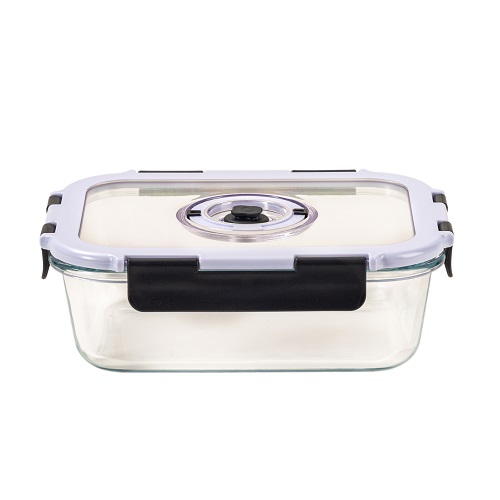 Vacuum Food Storage with Pump
 October 11,2026
 October 11,2026
 October 07,2026
Copyright ©2025 All Rights Reserved by Jiangsu Besfull Technology Co., Ltd.