
Meta Description: Understand BPA-free plastic food containers. Learn what BPA-free really means and whether substitutes are safer.
BPA-free labels appear on countless plastic containers. But what does BPA-free actually mean? And are BPA-free plastics truly safe? Here's what you need to know.
What Is BPA?
Bisphenol A (BPA) is a chemical used in some plastics and resins. It's found in hard plastics, food can linings, and some plastic containers. BPA is a known endocrine disruptor that can interfere with hormone function.
Why BPA Matters
Studies have linked BPA exposure to health concerns. The FDA considers BPA an "indirect food additive" because it readily leaches from containers into food. Heat accelerates this leaching.
The BPA-Free Movement
Consumer concern has driven manufacturers to produce BPA-free plastic containers. Many brands proudly display BPA-free labels. However, BPA-free doesn't mean chemical-free.
The Substitute Question
Manufacturers often replace BPA with similar compounds like Bisphenol S (BPS) or Bisphenol F (BPF). These substitutes may carry similar endocrine-disrupting properties. The FDA hasn't fully assessed these substitutes for safety.
What This Means for Consumers
BPA-free plastic containers are likely safer than those containing BPA. However, they're not necessarily risk-free. The long-term effects of BPA substitutes remain unknown.
Safe Plastic Use
If you use plastic containers:
Choose BPA-free and food-grade certified
Avoid heating food in plastic
Don't microwave plastic containers
Hand wash rather than dishwashing
Replace scratched or damaged containers
Don't store acidic or oily foods long-term in plastic
The Bottom Line
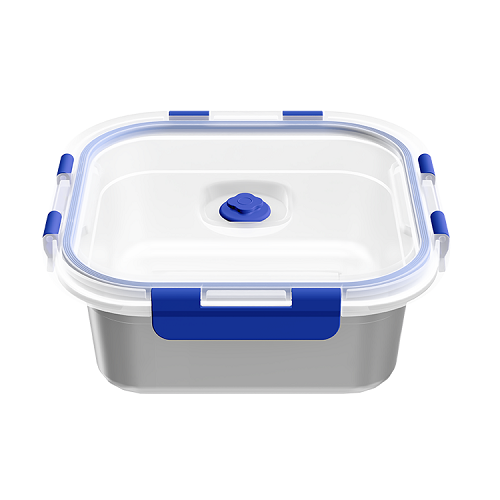
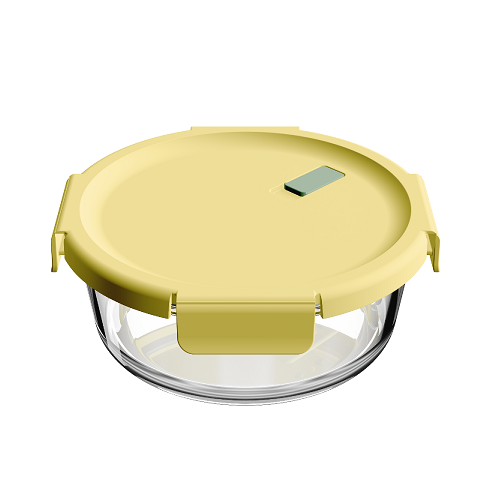
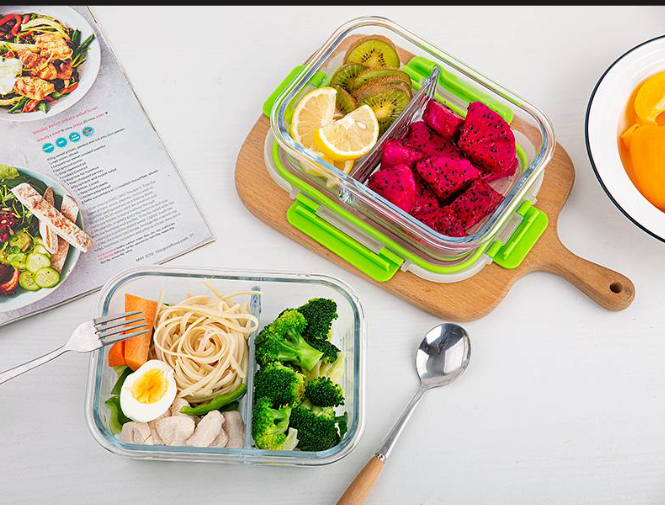
BPA-free is a step in the right direction. But for those seeking to minimize chemical exposure, glass or stainless steel food containers remain the safest choices. They contain no BPA, no BPS, no BPF—no plastic chemicals at all.
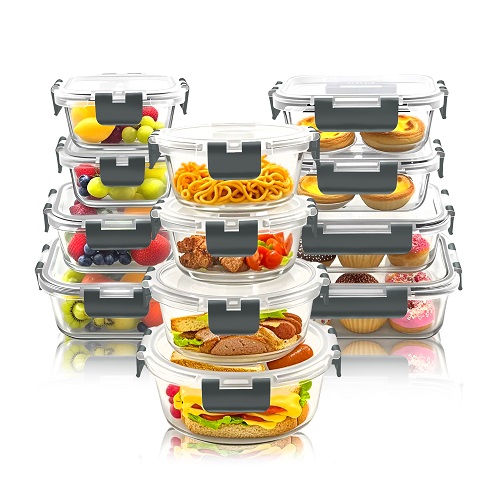 Glass Food Storage
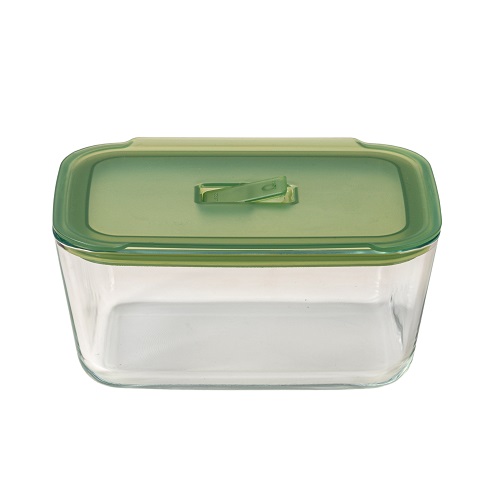 Vacuum Food Storage
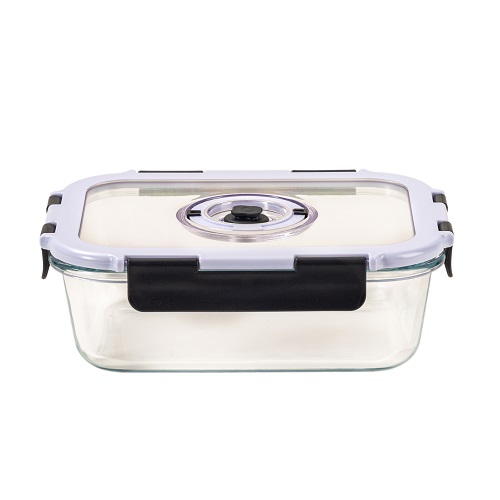 Vacuum Food Storage with Pump
 October 11,2026
 October 11,2026
 October 07,2026
Copyright ©2025 All Rights Reserved by Jiangsu Besfull Technology Co., Ltd.