
Meta Description: Ready to switch to glass? Use this comprehensive guide to build your perfect collection of glass food storage containers for every kitchen need.
Making the switch to glass food storage containers is exciting but can feel overwhelming. How many do you need? What sizes? Which brands? This complete guide helps you build the perfect collection for your household.
Start with an Audit
Before buying anything, audit your current storage. What do you store most often? Soups? Leftovers? Snacks? Meal prep? Note sizes you use most. Identify gaps in your current system. This audit guides purchasing decisions.
The Starter Set
For most households, begin with 5-7 containers:
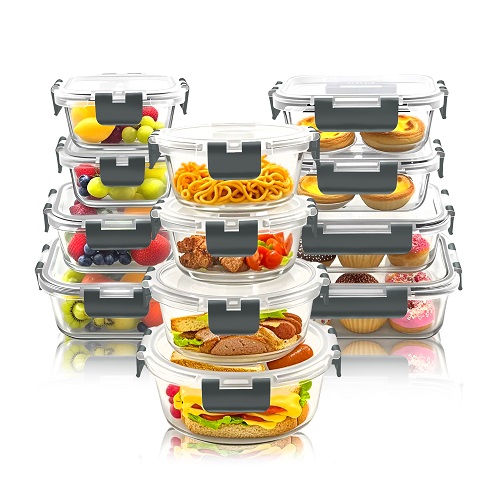
2 large rectangular (6-8 cups): family leftovers, bulk ingredients
2 medium rectangular (3-4 cups): individual meals, lunch portions
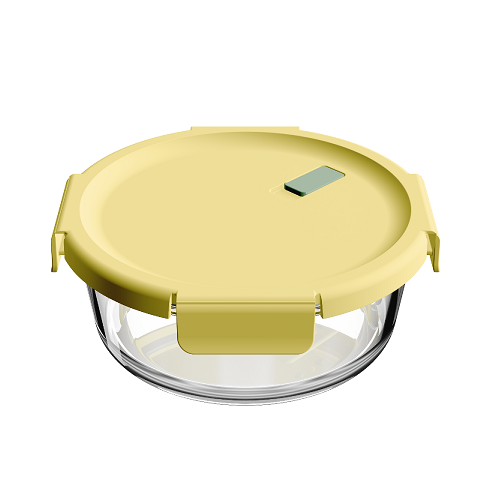
2 small round (1-2 cups): snacks, dressings, small leftovers
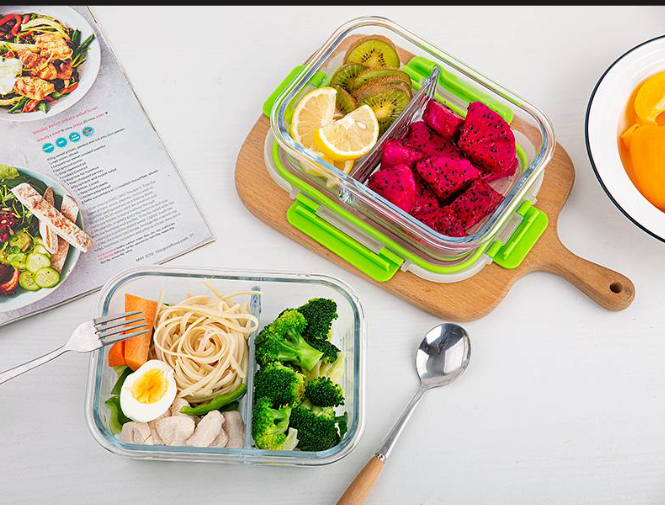
1 divided container: meals with separate components
Size Considerations
Think about your actual eating patterns. Do you pack lunch daily? Need containers for two? Four? Choose sizes matching your portions. Remember that glass looks smaller than plastic—visualize actual food amounts.
Shape Strategy
Rectangular containers maximize space efficiency. Square offers good efficiency with slightly different proportions. Round suits soups and salads but wastes space. Prioritize rectangular for most needs, supplement with shapes for specific uses .
Material Matters
Choose borosilicate glass for maximum durability and thermal shock resistance . Check manufacturer specifications. Look for temperature ratings confirming freezer-to-oven capability if you need this feature.
Lid Quality
Examine lid designs carefully. Look for multiple locking points, thick silicone gaskets, and secure closure. Test that lids create airtight seals. Consider lid replacement availability—some brands offer replacements, extending container life .
Brand Selection
Research well-known brands. Pyrex offers tradition and reliability. Lock&Lock provides patented sealing technology. IKEA 365+ has an award-winning modular design. Corning offers high-end amber options. . Read reviews from verified purchasers.
Budget Planning
Quality glass costs more upfront but saves over time. Set a budget and prioritize most-used sizes. Build collection gradually rather than buying everything at once. Watch sales and promotions from reputable retailers .
Storage System
Plan where containers will live. Measure cabinet space. Consider drawer organizers for lids. Some households store containers stacked, lids in separate bins. Others prefer nesting systems. Design your storage before buying.
Labeling Strategy
Decide how you'll label containers. Chalk markers work on designated lid areas. Removable labels suit changing contents. Permanent markers identify dedicated containers. Have system ready when containers arrive .
Care Commitments
Understand care requirements before buying. Most glass food storage containers are dishwasher safe, but lids may need top-rack placement . Silicone seals require occasional replacement. Commit to proper maintenance for maximum longevity.
Expansion Plan
As you use your starter set, notice what's missing. Need more small containers for snacks? Larger ones for bulk cooking? Gradually expand your collection based on actual usage patterns.
The Joy of Completion
Building a complete collection takes time, and that's okay. Every addition has its purpose. Eventually, you will open a cabinet full of neatly arranged glass food storage containers, each need met, with no waste and no frustration. This sense of satisfaction makes the whole process worthwhile.
 Glass Food Storage
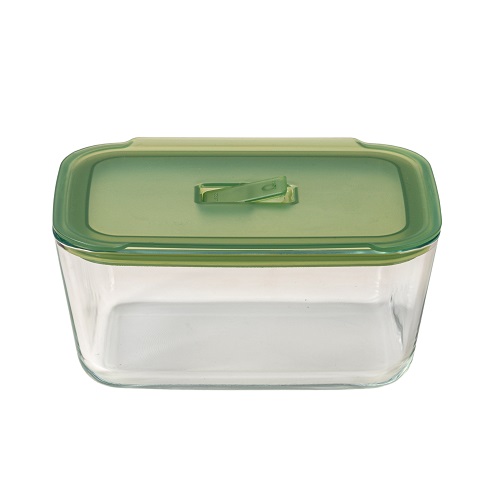 Vacuum Food Storage
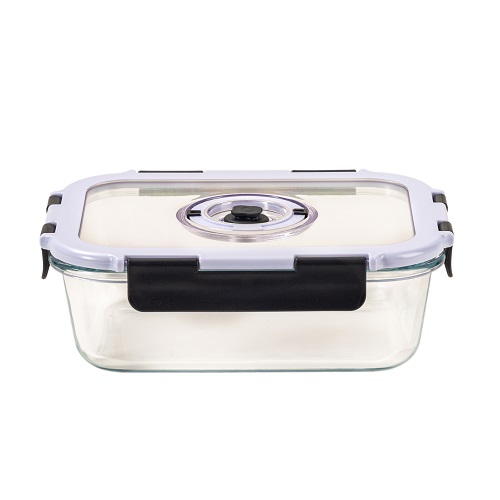 Vacuum Food Storage with Pump
 October 11,2026
 October 11,2026
 October 07,2026
Copyright ©2025 All Rights Reserved by Jiangsu Besfull Technology Co., Ltd.