
Meta Description: Tupperware just launched glass food storage containers. Learn why this iconic brand's shift signals the future of food storage.
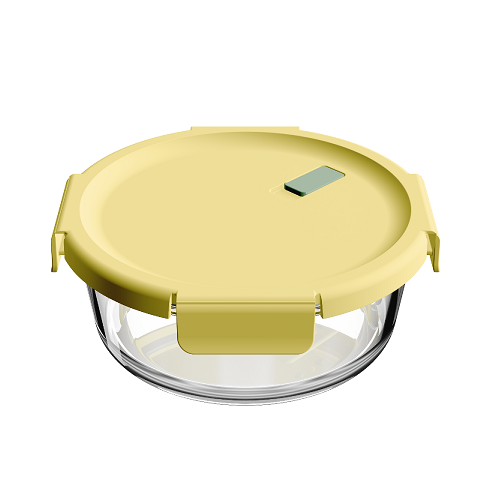
Tupperware—the brand that defined plastic food storage—has just introduced glass food storage containers. This may not seem revolutionary; other companies offer glass containers. But it's a big leap—and a sign of the times—from the brand that essentially launched the category in the 1940s.
The Tupperware Legacy
When Tupperware initially hit the scene, it offered people a lightweight way to store their food with a lid and "airtight" seal. This helped prolong the shelf life of most foods and made them more transportable. Over the years, the brand capitalized on its success by introducing more plastic kitchen tools.
Why the Shift to Glass?
Consumer preferences have changed. According to Good Housekeeping's Kitchen Appliances Lab, shoppers are increasingly turning to plastic alternatives, like glass and stainless steel, for their versatility and longevity. Concerns about BPA, microplastics, and chemical leaching have driven this shift.
Glass: The New Standard
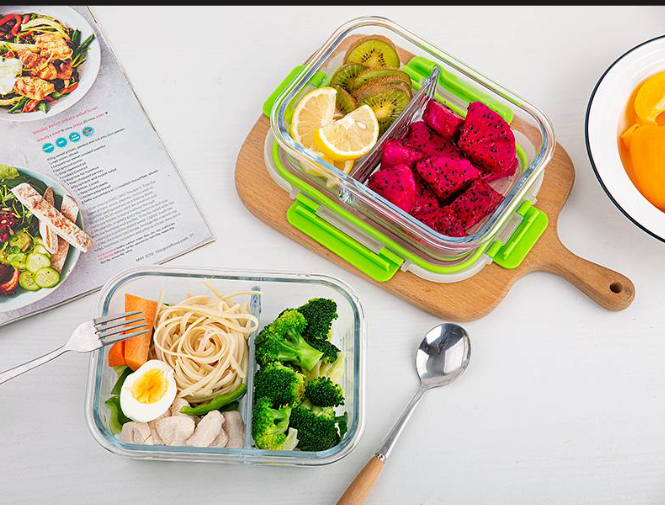
Glass containers offer what plastic can't: stain resistance, odor resistance, and chemical-free storage. Borosilicate glass is durable and heat-resistant, making it suitable for microwaves and ovens. It's also freezer-safe, eliminating concerns about breaking as food expands.
What This Means for Consumers
Tupperware's move to glass validates what many consumers already suspect: glass is the future of food storage. When an industry leader pivots, it signals a broader market shift. For consumers, this means more choices, better quality, and safer storage options.
The Bottom Line
Tupperware's glass containers aren't just a product launch—they're a statement. The brand that built its reputation on plastic now embraces glass. This shift reflects growing consumer awareness about health, sustainability, and the limitations of plastic.
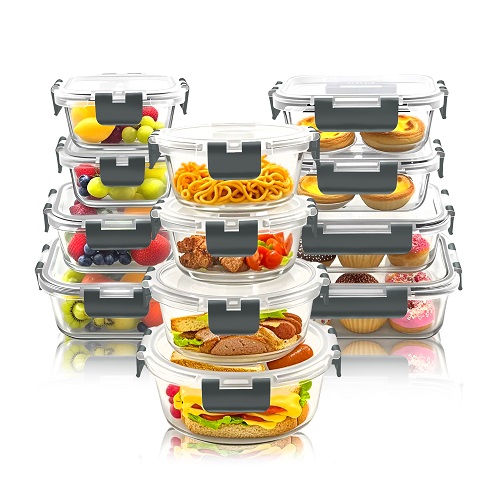 Glass Food Storage
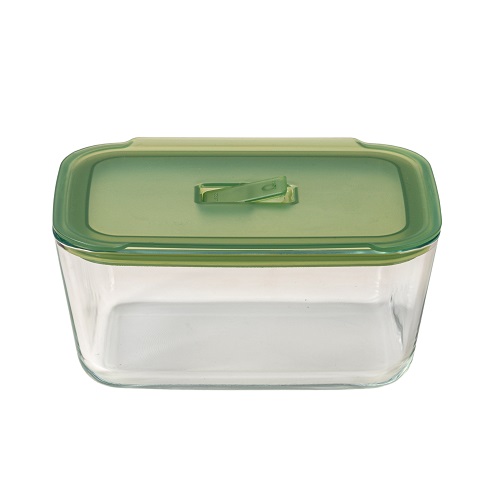 Vacuum Food Storage
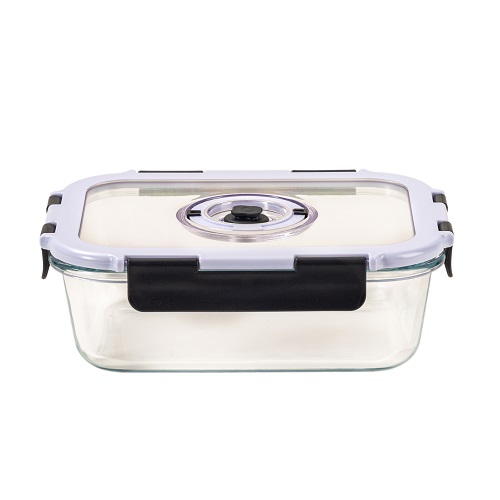 Vacuum Food Storage with Pump
 October 11,2026
 October 11,2026
 October 07,2026
Copyright ©2025 All Rights Reserved by Jiangsu Besfull Technology Co., Ltd.