
Meta Description: Dive into the engineering behind modern glass food storage container lids. Learn how sealing technology keeps food fresher longer.
The glass container body gets most of the attention, but the lid is where the real engineering happens. Modern sealing technology has transformed how glass food storage containers preserve food. Understanding this science helps you choose containers that truly keep food fresh.
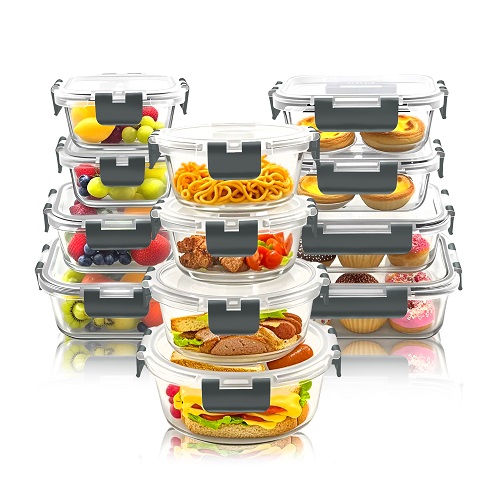
The Four-Sided Locking System
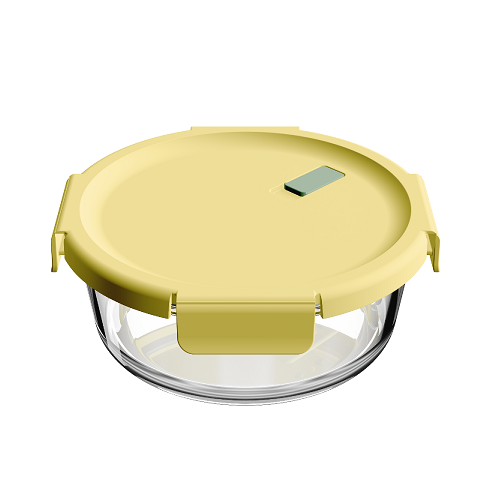
Lock&Lock pioneered the four-sided locking system that became industry standard. This design creates pressure on all four sides simultaneously, distributing force evenly and creating a complete seal . When all four sides click into place, you know the seal is secure.
Silicone Sealing Rings
The heart of any airtight container is the silicone gasket. This flexible ring compresses when the lid closes, filling microscopic gaps that could otherwise leak air or liquid. High-quality silicone maintains flexibility for years, resisting compression set that would reduce sealing effectiveness .
Micro-Pore Venting
The Corning Jingzhi series features an innovative micro-porous pressure release design that balances safety and sealing. These tiny ventilation holes allow steam to escape during microwave heating, preventing pressure buildup from forcing the lid to open. However, they are still small enough to maintain airtightness during storage.
Leak-Proof Engineering
True leak-proof sealing requires precise engineering. The seal must withstand liquid pressure without failing. Modern designs create labyrinth paths that liquid cannot navigate—multiple sealing points that block every potential escape route .
Vacuum Effect
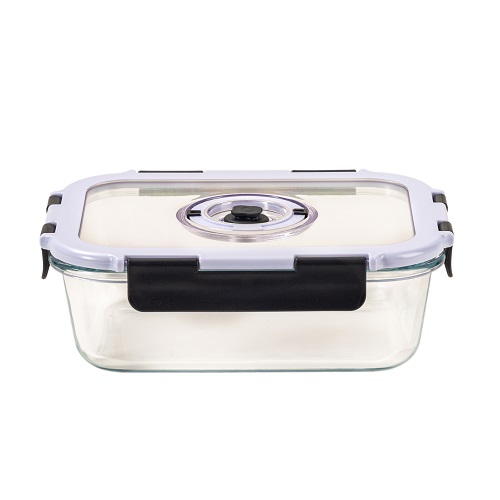
Quality lids create a slight vacuum as food cools, pulling the lid tight against the container. This vacuum effect enhances the seal and provides audible feedback—you hear the satisfying "pop" when opening that confirms freshness was maintained.
Material Science
Lids combine rigid frames with flexible seals. The frame, typically polypropylene, provides structure and locking points. The silicone seal provides flexibility and conformability. This material partnership achieves what neither could alone .
Temperature Considerations
Seals must perform across temperature extremes—freezer to microwave. Silicone maintains flexibility from -40°C to 200°C, making it ideal for food storage . The frame material must also withstand these ranges without warping.
Durability Testing
Reputable manufacturers test seals rigorously. Lock&Lock containers undergo testing that simulates years of use—repeated opening, closing, temperature cycling, and dishwasher exposure . This testing ensures long-term performance.
Maintaining Seals
Even the best seals require care. Clean sealing surfaces thoroughly after each use—food particles prevent proper sealing. Inspect silicone regularly for cracks or compression set. Replace worn lids promptly to maintain freshness .
The Freshness Difference
How much difference can a good seal make? Moisture permeability test standards show that high-quality containers have 200 times lower moisture permeability than similar products. This means that stored food can stay fresh for a longer time.
Choosing Wisely
When selecting glass food storage containers, examine the sealing system. Look for multiple locking points, thick silicone gaskets, and positive locking action. Read reviews about long-term seal performance. The best glass body is useless without a quality lid.
 Glass Food Storage
 Vacuum Food Storage
 Vacuum Food Storage with Pump
 October 11,2026
 October 11,2026
 October 07,2026
Copyright ©2025 All Rights Reserved by Jiangsu Besfull Technology Co., Ltd.