
Meta Description: Dive into the science behind your glass food storage containers. Learn how different glass compositions affect durability and why material matters for your kitchen.
When you hold a glass food storage container, you are holding millions of years of scientific innovation in your hands. But not all glass is created equal. Understanding the basic science behind glass composition can help you make smarter purchasing decisions and get the most out of your glass lunch box.
The Basic Recipe
All glass starts with silica sand, which is melted at extremely high temperatures. The specific additives determine the glass type. According to a comprehensive 2024 study published in npj Materials Degradation, four main types of commercial glass are commonly found in homes: lead crystal, soda-lime, borosilicate, and barium glass . Each has distinct properties that affect durability and safety.
Soda-Lime Glass: The Everyday Choice
Soda-lime glass is the most common type, used for windows, bottles, and many affordable glass food storage containers. It contains sodium and calcium oxides that make it easier to manufacture. However, research shows that soda-lime glass has limited thermal shock resistance, with significant alkali depletion occurring during long-term exposure to acidic foods . It can typically withstand only about 50°C of temperature change before risking breakage .
Borosilicate Glass: The Thermal Champion
Borosilicate glass contains boron trioxide, which creates a fully polymerized silicate network with no non-bridging oxygen atoms . This structure makes it exceptionally resistant to thermal shock, handling temperature changes up to 150°C instantly . This is why borosilicate glass food storage containers can go directly from freezer to oven without cracking—the molecular structure simply handles stress better.
The Alteration Study
The 2024 Nature study examined glass samples altered for three years in acidic conditions simulating food contact. Researchers found that while all glasses release some elements during long-term exposure, the rate of silicon hydrolysis remained similar across compositions . However, borosilicate glass showed different alteration patterns due to its fully polymerized network, making it more stable for long-term food storage.
Impact Resistance vs. Thermal Resistance
Chinese media reports highlight an important distinction: thicker glass is not necessarily safer. In fact, thicker glass containers are more prone to thermal breakage because heat transfers slowly through the material, creating internal stress as the inner surface expands faster than the outer surface . Thinner walls actually allow more even heating, reducing breakage risk.
Identifying Quality Glass
How can you tell what you are buying? High-quality borosilicate glass typically has higher transparency and clarity, while soda-lime glass often appears slightly cloudy or greenish at the edges . Look for containers that meet national safety standards like GB 4806.5-2016 for food contact materials . Reputable manufacturers clearly label their glass type.
The Bottom Line
Understanding glass science helps you choose the right glass food storage containers for your needs. For everyday refrigerator storage and occasional microwave use, quality soda-lime glass works well. For frequent temperature changes—moving from freezer to oven or reheating daily—invest in borosilicate glass. Your food safety and container longevity depend on this simple science.
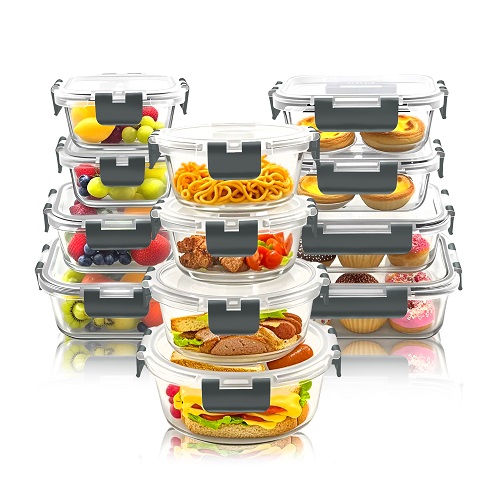 Glass Food Storage
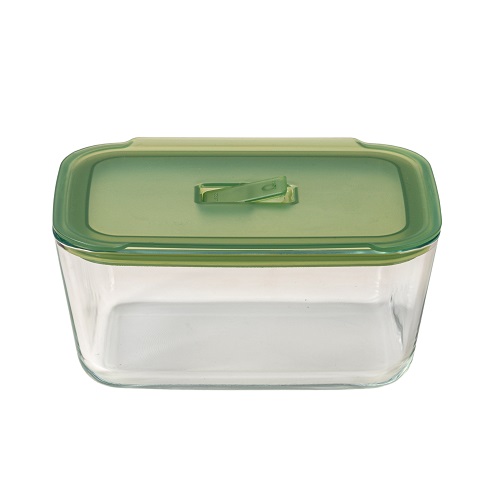 Vacuum Food Storage
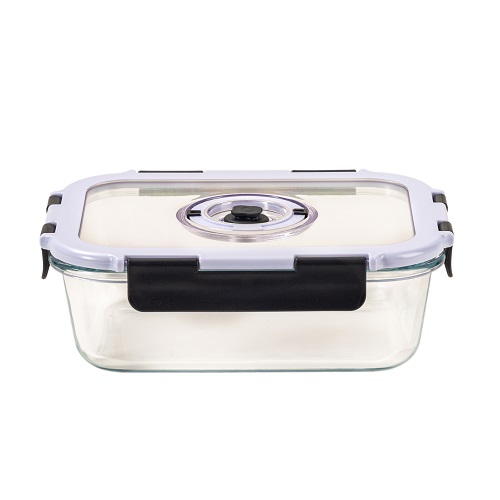 Vacuum Food Storage with Pump
 October 11,2026
 October 11,2026
 October 07,2026
Copyright ©2025 All Rights Reserved by Jiangsu Besfull Technology Co., Ltd.