
Meta Description: Explore the historical role of glass in food preservation, from ancient methods to modern glass food storage containers.
Glass has preserved food for millennia. Understanding this history reveals why glass food storage containers remain essential today. From ancient techniques to modern innovations, glass protects food like no other material.
Ancient Preservation
Early civilizations discovered glass's preservation properties. Egyptian glass vessels stored oils and perfumes. Roman glass jars preserved fruits and vegetables. The transparency allowed inspection without opening—revolutionary for preservation .
Glassblowing Revolution
Around 50 BCE, glassblowing transformed production. Vessels became cheaper and more available. Ordinary citizens could afford glass storage. This democratization expanded food preservation beyond wealthy classes .
Chinese Innovations
Chinese glassmaking developed independently. Ancient Chinese glass containers stored medicinal herbs and preserved foods. The craftsmanship produced vessels both functional and beautiful .
Medieval Apothecaries
Medieval apothecaries relied on glass containers. Herbs, medicines, preserved foods stored in glass protected from contamination. Clear glass allowed identification without disturbing contents .
Mason Jar Era
John Landis Mason patented the Mason jar in 1858. This innovation revolutionized home canning. Glass jars with screw-top lids enabled safe, long-term food preservation. Home cooks preserved summer bounty for winter .
Pyrex Innovation
Corning Glass Works introduced Pyrex in 1915. Borosilicate glass ovenware allowed cooking and storing in same container. This innovation changed kitchen practices forever .
Refrigeration Revolution
Household refrigerators became common after World War II. Glass containers evolved for this new appliance. Refrigerator dishes with airtight lids emerged. Glass adapted to changing storage needs .
Microwave Adaptation
Microwave ovens appeared in homes during 1970s and 1980s. Glass containers adapted again. Microwave-safe glass allowed reheating without transferring food. Versatility expanded .
Modern Materials Science
Today's glass food storage containers benefit from advanced understanding. Manufacturers engineer glass for specific properties—thermal shock resistance, impact strength, chemical durability .
Design Evolution
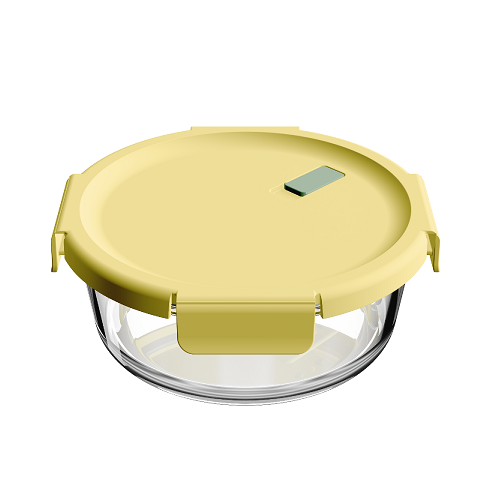
Glass containers now combine function with aesthetics. Award-winning designs prove glass can be beautiful. IKEA 365+ and Lock&Lock's Red Dot winners exemplify modern design .
Sustainability Return
Modern consumers rediscover glass's sustainability. Infinite recyclability, durability, safety align with environmental values. History comes full circle as glass returns to prominence .
Future Continuation
Glass food storage continues evolving. Smart containers may emerge. Improved manufacturing reduces environmental impact. But fundamental advantages remain unchanged after millennia .
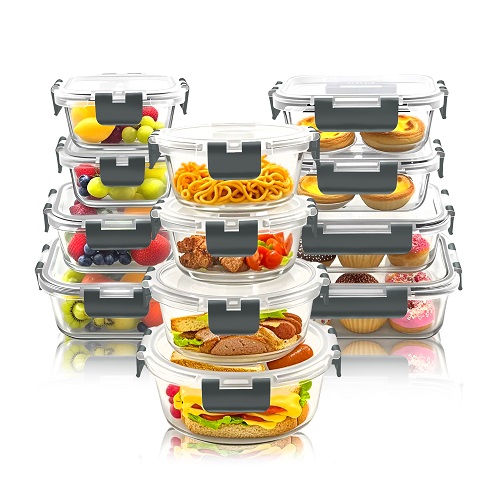 Glass Food Storage
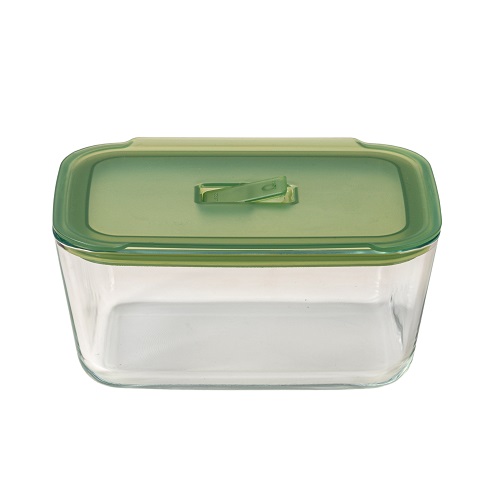 Vacuum Food Storage
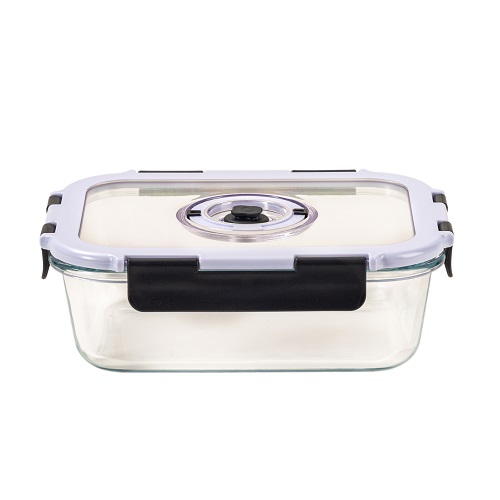 Vacuum Food Storage with Pump
 October 11,2026
 October 11,2026
 October 07,2026
Copyright ©2025 All Rights Reserved by Jiangsu Besfull Technology Co., Ltd.