
Meta Description: Discover the fascinating history of Pyrex and how borosilicate glass food storage containers became a kitchen staple trusted by generations of home cooks.
For over a century, one name has been synonymous with glass bakeware and food storage: Pyrex. The story of how borosilicate glass found its way into kitchens around the world is a fascinating tale of innovation, necessity, and enduring quality. Understanding this history helps explain why glass food storage containers remain a trusted choice for home cooks today.
The Accidental Invention
The Pyrex story begins in the early 1900s at Corning Glass Works in New York. Scientists there had developed a new type of glass called "Nonex" for railroad lanterns and battery jars. It was made from borosilicate glass, which could withstand extreme temperature changes without cracking. The story goes that Corning scientist Jesse Littleton's wife, Bessie, suggested he bring home a sawed-off battery jar for her to use as a baking dish. She baked a sponge cake in it and discovered that the glass worked perfectly—it was transparent, heated evenly, and did not break .
A Kitchen Revolution
Corning recognized the potential immediately. In 1915, they introduced Pyrex ovenware to the public. The timing was perfect. Home cooks were eager for modern conveniences, and Pyrex offered a way to see food while it cooked, something unheard of with opaque ceramic and metal pans. The brand took off, and Pyrex became a household name.
Borosilicate vs. Soda-Lime
For decades, Pyrex was made from borosilicate glass, prized for its thermal shock resistance. Home cooks could take a Pyrex dish from the refrigerator and place it directly into a hot oven without fear of shattering. However, in the 1990s, the company transitioned some product lines to tempered soda-lime glass, which is less expensive to produce. Today, Pyrex products in the United States are primarily soda-lime, while in Europe, the brand continues to use borosilicate glass .
The Legacy Continues
Despite changes in manufacturing, Pyrex remains the gold standard for glass food storage containers. Generations of cooks have grown up with Pyrex, passing down dishes from parents to children. One Amazon reviewer recently noted, "Now I know why my mom loved them back in the day," after discovering the durability of modern Pyrex containers .
Modern Innovations
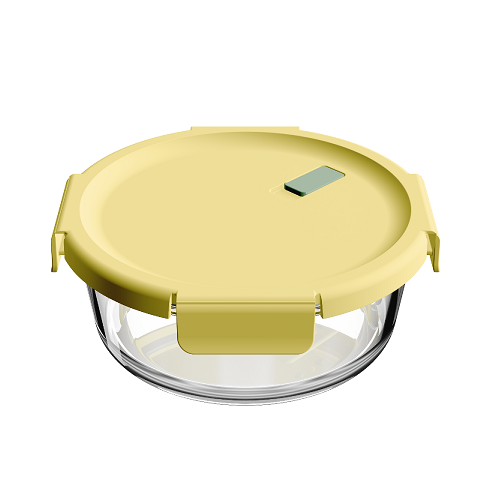
Today's glass food storage containers build on the Pyrex legacy with new features. Airtight lids with silicone seals keep food fresh longer—one shopper reported that cherry tomatoes stayed fresh for three weeks in a Pyrex container . Stackable designs save space, and colored lids help match containers to their correct sizes. Some sets even include areas on the lid where you can write the contents and date .
Why History Matters
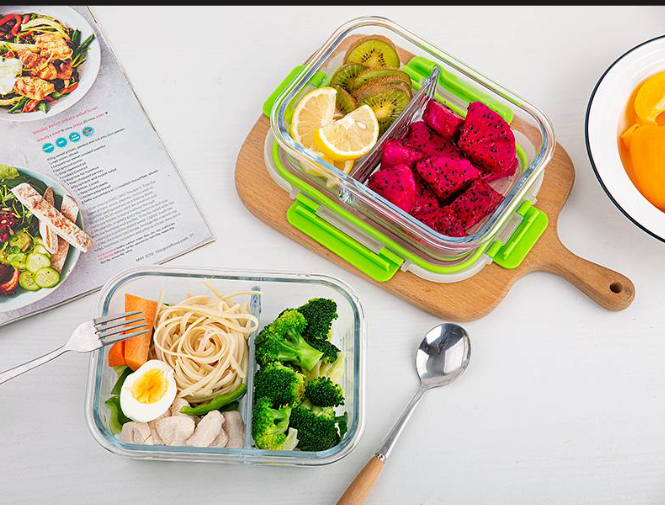
The enduring popularity of glass containers is no accident. For over 100 years, cooks have trusted glass because it works. It does not stain, does not warp, and does not leach chemicals. It is easy to clean and versatile enough for every cooking task. When you buy glass food storage containers today, you are participating in a tradition of quality that spans more than a century.
Collecting Vintage Pyrex
Interestingly, vintage Pyrex has become highly collectible. Enthusiasts search thrift stores for colorful mid-century patterns, using the dishes for both storage and serving. This collectors' market speaks to the durability of borosilicate glass—these pieces have survived decades of use and remain functional today. Whether vintage or new, Pyrex and its modern counterparts continue to earn their place in kitchens worldwide.
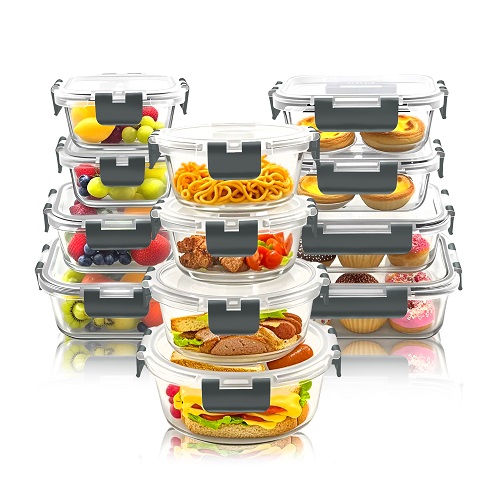 Glass Food Storage
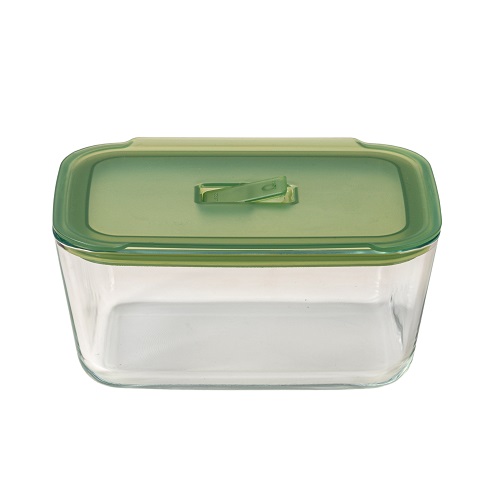 Vacuum Food Storage
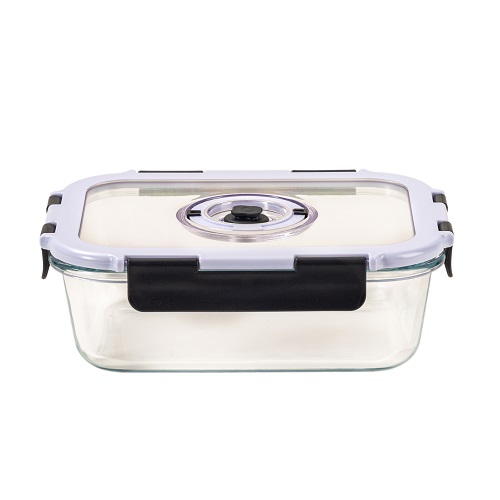 Vacuum Food Storage with Pump
 October 11,2026
 October 11,2026
 October 07,2026
Copyright ©2025 All Rights Reserved by Jiangsu Besfull Technology Co., Ltd.