
Meta Description: Stop storing these foods in plastic containers. Learn which foods are safest in glass or stainless steel instead.
Plastic containers are convenient, but not all foods should be stored in them. Food safety experts warn that certain foods can accelerate chemical leaching. Here's what to avoid.
The Chemical Concern
Plastic is made from a variety of chemicals, but one of the most concerning is bisphenol A (BPA). The risk is that BPA can dissolve into your food when plastic is heated or exposed to fat, acidity, and wear. Exposure to BPA has been linked to hormone disruption, infertility, cancer, and hyperactivity in children.
BPA-Free Isn't Risk-Free
Fortunately, manufacturers have pivoted away from BPA, and many containers are now BPA-free. However, this doesn't mean it's safe to store all kinds of foods even in BPA-free plastic containers.
Foods to Avoid in Plastic
·
Hot foods: Never place hot food in plastic containers. Let food cool completely before storing. When plastic is exposed to heat, its structure loosens, causing chemicals to migrate into the food.
·
·
Acidic foods: Tomato sauce, citrus, and dressings can speed up degradation of plastic.
·
·
Oily and high-fat foods: Butter, oil, and fatty meats "can speed up degradation of plastic".
·
Safer Storage Options
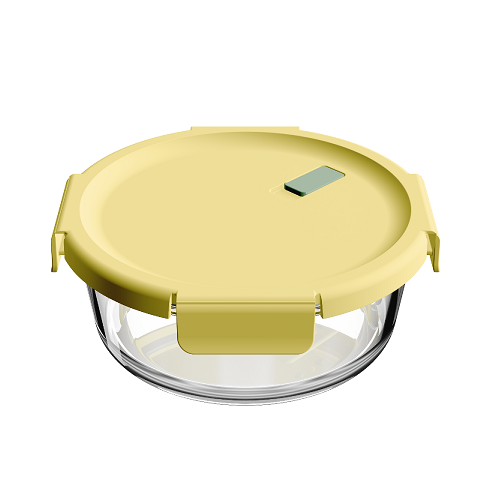
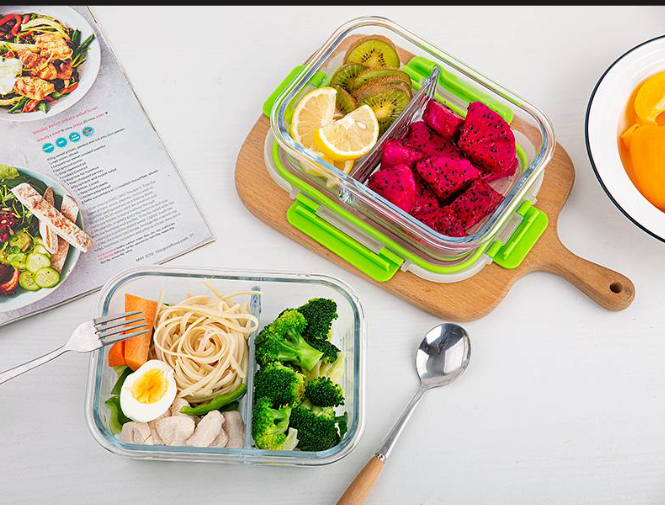
Both Shaw and Amidor recommend glass containers as the best alternative to plastic. Glass containers are non-porous and chemically inert. They don't leach chemicals regardless of what you store.
What to Store in Plastic
If you can't let go of the plastic containers, use them for dry goods, like pasta, cereal, flours, and oats. If baked goods are cooled, you can store them in a sealable plastic container.
The Bottom Line
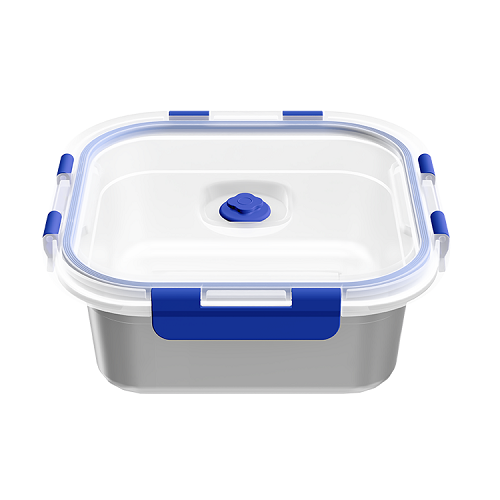
Glass and stainless steel are safer for storing acidic, oily, and hot foods. Plastic containers should be reserved for dry goods and cooled foods only.
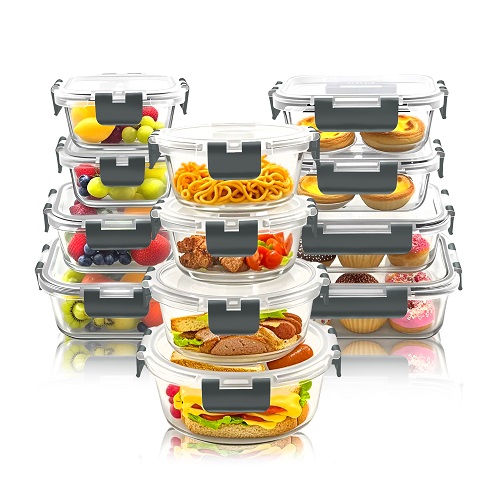 Glass Food Storage
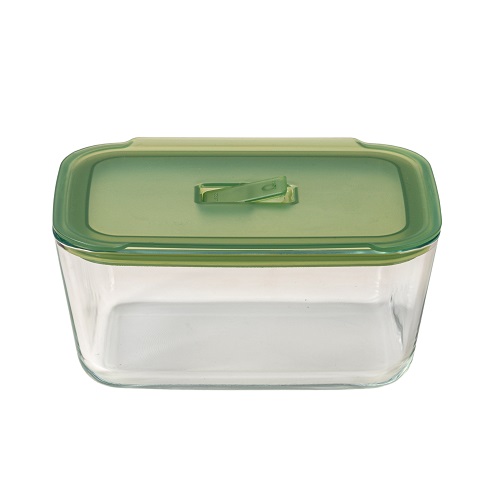 Vacuum Food Storage
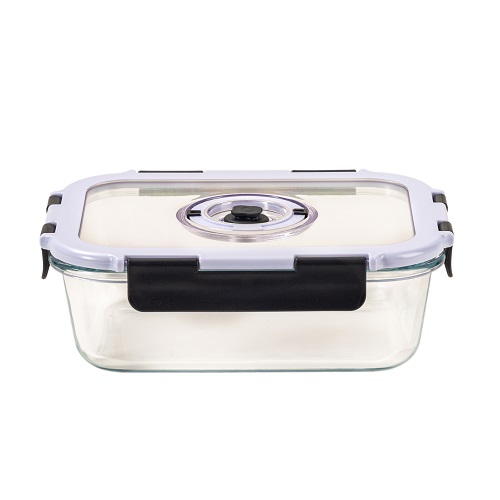 Vacuum Food Storage with Pump
 October 11,2026
 October 11,2026
 October 07,2026
Copyright ©2025 All Rights Reserved by Jiangsu Besfull Technology Co., Ltd.