
Meta Description: Explore the booming global market for glass food containers. Learn about trends driving growth and what the future holds for this essential kitchen category.
The humble food storage container has evolved into a global industry worth billions. As consumers prioritize health and sustainability, glass food storage containers are capturing growing market share. Understanding this market illuminates broader trends in consumer behavior.
Market Size and Growth
The global glass container market continues to expand. According to industry analysis, in China alone, leading manufacturers like Anhui Deli produce more than 80,000 tons of daily-use glassware every year. Even during economic hardships, the annual compound growth rate of glassware has reached 10.37%.
Consumer Drivers
Several factors drive glass container growth. Health concerns about plastic leaching chemicals motivate switching to glass . Environmental awareness pushes consumers toward infinitely recyclable materials . Kitchen aesthetics increasingly influence purchases—consumers want beautiful storage .
Regional Differences
Market patterns vary globally. Europe maintains strong glass traditions with high per-capita usage. North America shows rapid growth as awareness increases. Asia represents the largest potential market, with rising middle classes adopting Western-style food storage habits .
Per Capita Consumption
Despite rapid growth, there are huge differences in global glass usage. In developed countries, annual per capita consumption of glass products reaches 50-60 kilograms, while in China it is only 10 kilograms. With developing countries adopting glass for food storage, this gap shows enormous growth potential.
Premiumization Trend
Consumers are increasingly seeking high-end products. The success of the amber-colored Corning series, which sold 3,000 sets at high prices within 15 minutes, demonstrates the demand for high-end design. Award-winning designs such as IKEA 365+ (2018 Good Design Award) and Lock & Lock's Red Dot Award-winning products also have a high-end positioning.
E-Commerce Impact
Online sales are changing the market. JD.com, in collaboration with Corning, launched exclusive products based on consumer data, achieving record sales. E-commerce makes direct consumer feedback possible, allowing manufacturers to respond to trends quickly.
Innovation Drivers
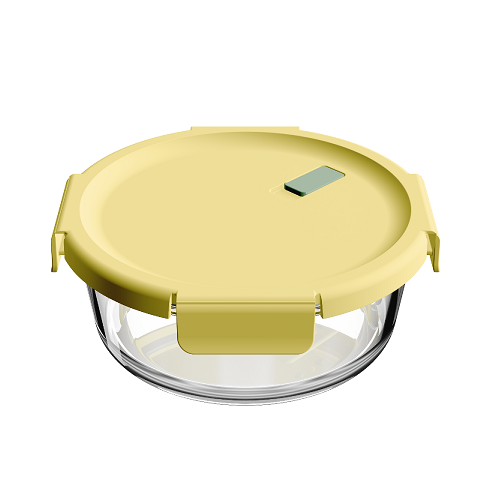
Manufacturers compete through innovation. Advanced features such as micro-porous pressure relief designs, amber light-shielding glass, and modular systems make products stand out. Patented technologies like Lock&Lock's latch design create a competitive advantage.
Sustainability Imperative
Environmental concerns increasingly shape the market. IKEA has committed to using only recycled glass in their products . Consumers seek brands aligned with sustainability values, driving investment in eco-friendly production.
Challenges Ahead
The industry faces challenges. Glass remains heavier than alternatives, increasing transportation costs and carbon footprint. Breakage during shipping creates waste. Manufacturers invest in lighter-weight designs and improved logistics.
Future Outlook
The glass container market appears poised for continued growth. Health trends favor glass over plastic. Environmental regulations increasingly restrict single-use plastics. Design innovations attract younger consumers. Emerging markets offer vast expansion opportunities .
What This Means for Consumers
This competitive market benefits you. Manufacturers compete on quality, innovation, and price. You have more choices than ever in glass food storage containers. Take advantage of this competition to find products that perfectly match your needs.
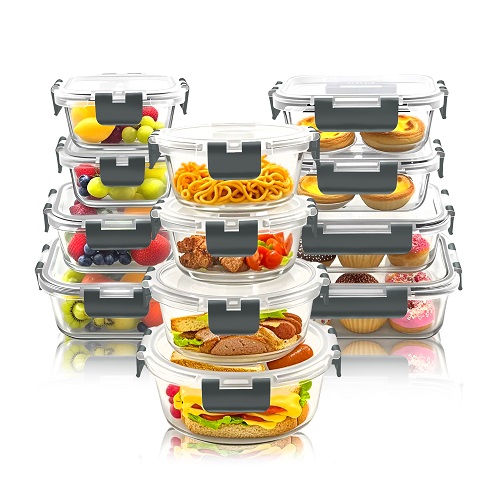 Glass Food Storage
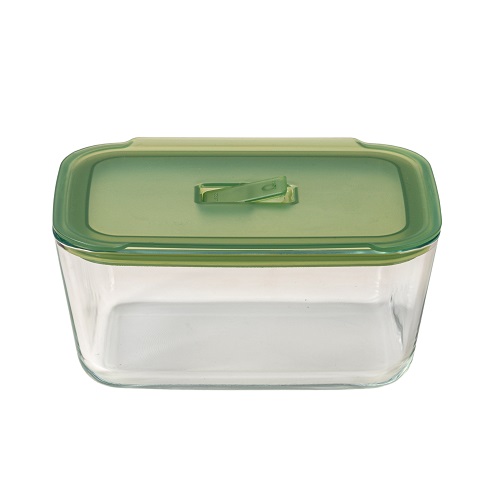 Vacuum Food Storage
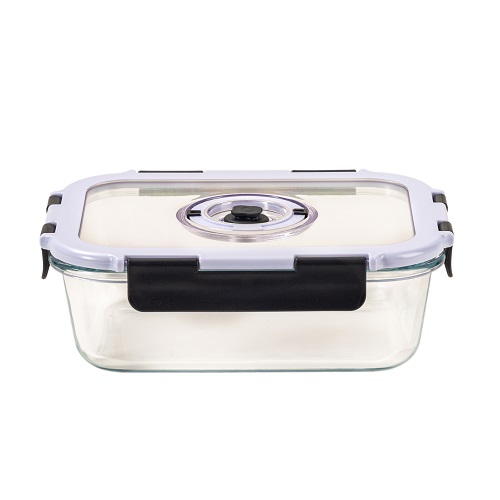 Vacuum Food Storage with Pump
 October 11,2026
 October 11,2026
 October 07,2026
Copyright ©2025 All Rights Reserved by Jiangsu Besfull Technology Co., Ltd.