
Meta Description: Look ahead at emerging innovations in glass manufacturing and design that will shape the next generation of glass food storage containers.
The glass industry continues evolving, driven by consumer demand, environmental concerns, and manufacturing advances. Future glass food storage containers will be lighter, stronger, smarter, and more sustainable than today's models.
Lightweighting Technology
Glass weight remains a drawback. Manufacturers invest in "lightweighting"—producing containers with thinner walls that maintain strength while reducing weight. Advanced manufacturing controls allow precise thickness distribution, strengthening stress points while thinning elsewhere.
Recycled Content Goals
IKEA has committed to eventually using only recycled glass in their products . Melting recycled glass requires significantly less energy than creating new glass from raw materials. As recycling infrastructure improves, recycled content will increase across the industry.
Smart Integration
Imagine containers that track freshness and alert you when food nears expiration. While still conceptual, smart technology may eventually integrate with glass food storage containers. Embedded sensors could monitor temperature, humidity, and food condition.
Enhanced Durability
Material science advances produce stronger glass. Ion-exchange strengthening, similar to smartphone glass, could make kitchen containers more impact-resistant. Self-healing coatings might repair minor scratches.
Design Innovation
Award-winning designs point toward future aesthetics. The Glacé collection, with glass lids and minimal silicone, earned a Red Dot Design Award for minimizing plastic . Expect more all-glass or nearly all-glass designs.
Modular Evolution
Systems like IKEA 365+ demonstrate modular potential . Future systems may offer even greater flexibility—adjustable compartments, expandable containers, components serving multiple functions.
Color and Transparency
The amber-colored Corning series proves the consumer demand for colored glass. Future options may include a variety of shades offering different benefits—UV protection, light filtering, aesthetic diversity—while maintaining transparency.
Manufacturing Localization
Transportation costs and carbon concerns may drive localized manufacturing. Regional production using local materials reduces environmental impact and supports local economies.
Circular Economy Models
Manufacturers may offer container take-back programs, recycling old containers into new ones. Lid replacement services could extend container life. These circular economy approaches reduce waste and build brand loyalty.
Cost Reduction
As manufacturing scales and technology improves, costs may decrease. Premium features that once commanded high prices may become standard. Quality glass food storage containers could become accessible to more households.
Consumer Education
Future success depends on consumer education. As more people understand glass's advantages—inert chemistry, infinite recyclability, longevity—demand will grow. Manufacturers and retailers share responsibility for this education.
Your Role
Early adopters of quality glass food storage containers help drive these innovations. Your purchases signal demand for better products. Your feedback shapes future designs. You are part of glass's evolution.
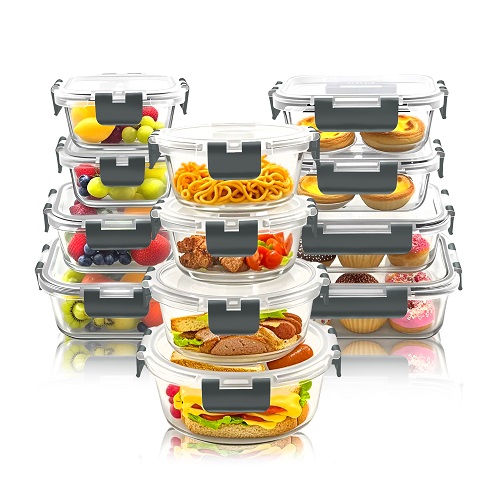 Glass Food Storage
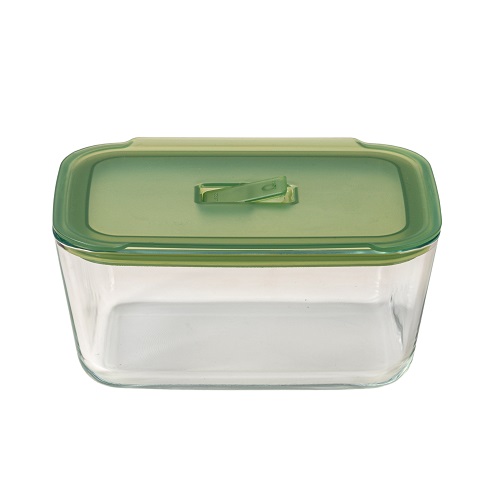 Vacuum Food Storage
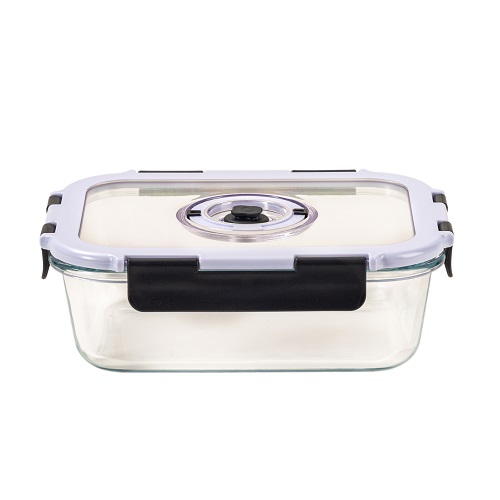 Vacuum Food Storage with Pump
 October 11,2026
 October 11,2026
 October 07,2026
Copyright ©2025 All Rights Reserved by Jiangsu Besfull Technology Co., Ltd.