
Meta Description: Crunch the numbers on your kitchen sustainability. Use our environmental impact calculator to see how switching to glass food storage containers reduces plastic waste.
Making the switch to glass food storage containers feels good, but have you ever wondered exactly how much difference it makes? Let's quantify the environmental impact of replacing plastic with glass in your kitchen.
The Plastic Problem by Numbers
Global plastic production exceeds 300 million tons annually, with single-use packaging representing a significant portion. The average American generates over 200 pounds of plastic waste yearly. Much of this comes from food packaging and storage .
Container Lifespan Comparison
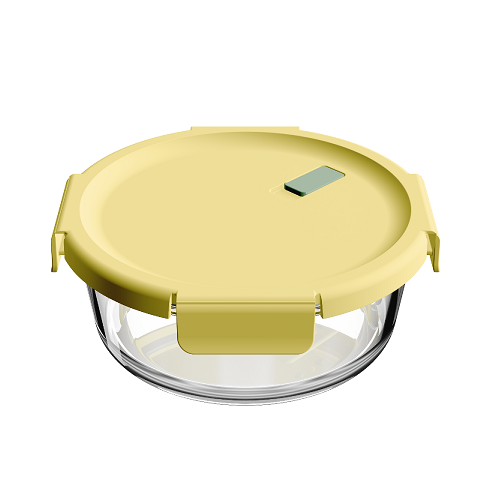
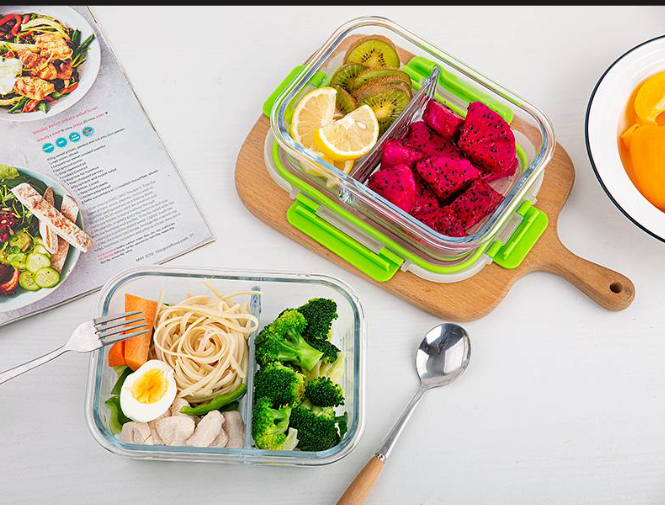
Plastic food containers typically last 1-3 years before warping, staining, or cracking. Glass food storage containers, particularly borosilicate glass, can last decades . A single glass container replaces 10-30 plastic containers over its lifetime. That is 10-30 fewer containers manufactured, shipped, and eventually discarded.
Annual Waste Calculation
Assume the average household uses 10 plastic food containers. Replacing them every two years means 5 containers disposed of annually. Switching to glass food storage containers eliminates this waste entirely. Over 10 years, one household prevents 50 plastic containers from entering landfills.
Manufacturing Energy Comparison
Glass manufacturing requires more energy than plastic initially. However, glass lasts much longer, spreading that energy investment over decades. Additionally, glass recycles infinitely without quality loss. Melting recycled glass uses 40% less energy than creating new glass from raw materials .
Recycling Reality
Most plastic containers are downcycled into lower-quality products or end up in landfills. Glass recycles infinitely—a broken container becomes a new container, again and again . This closed-loop system is true circular economy.
Transportation Impact
Glass is heavier than plastic, requiring more fuel for transportation. However, because glass lasts so much longer, the per-use transportation impact is lower. One glass container transported once replaces dozens of plastic containers transported repeatedly over the same period.
Chemical Avoidance
Beyond waste, consider chemical impact. Plastic can leach endocrine-disrupting compounds into food, especially when heated . Glass food storage containers eliminate this exposure entirely. The health benefit, while harder to quantify, is significant.
Water Usage
Plastic manufacturing consumes substantial water. Glass production also uses water, but the longevity of glass means less frequent replacement. Over a lifetime, glass likely requires less water per use than disposable or short-lived plastic alternatives.
The Household Calculation
For a family of four packing lunches daily: 5 containers per day × 5 days per week = 25 containers used weekly. If those are disposable plastic bags or short-lived containers, the waste adds up quickly. Glass food storage containers eliminate this ongoing waste stream.
The Global Impact
If 1 million households switched to glass food storage containers, annual plastic waste reduction would exceed 50 million containers. Multiply by the billions of households worldwide, and the potential impact is staggering .
Making the Switch
Start gradually. Replace plastic as it wears out with quality glass food storage containers. Choose borosilicate glass for maximum longevity . Properly recycle old plastic containers. Over time, your kitchen becomes a model of sustainability.
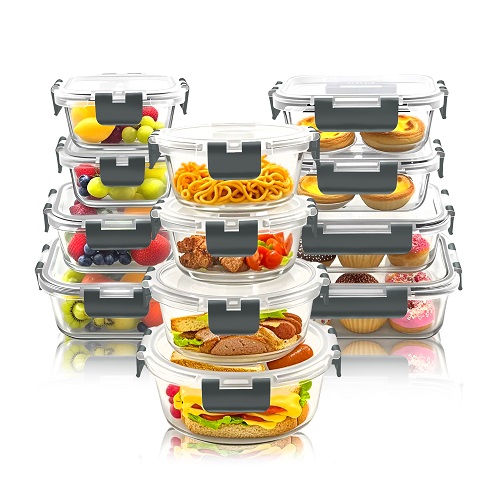 Glass Food Storage
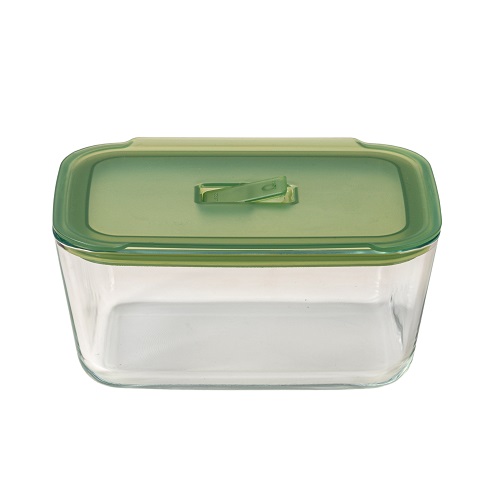 Vacuum Food Storage
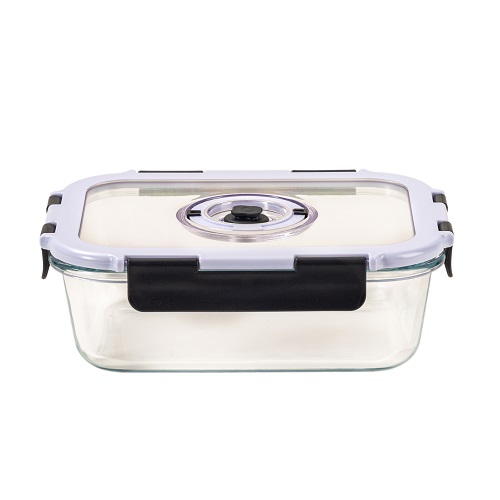 Vacuum Food Storage with Pump
 October 11,2026
 October 11,2026
 October 07,2026
Copyright ©2025 All Rights Reserved by Jiangsu Besfull Technology Co., Ltd.