
Meta Description: Compare the environmental impact of stainless steel and plastic food containers. Learn which is more sustainable.
Environmental concerns drive many to choose stainless steel containers over plastic. But which is truly more sustainable? Here's the environmental comparison.
Plastic's Environmental Burden
Plastic containers are typically discarded after one use, which leads to plastic waste generation. Plastic degrades over time and often ends up in landfills. When recycled, plastic degrades in quality. Microplastics from degrading plastic enter the environment and food chain.
Stainless Steel: The Sustainable Alternative
Stainless steel containers represent a durable and reusable alternative to promote zero-waste and environmentally conscious packaging. Stainless steel containers can be used hundreds of times. Unlike plastic, stainless steel remains intact throughout its service life and frequent dishwashing.
Recyclability
Stainless steel can be repurposed without adding up to pollution. It's 100% recyclable and can be recycled indefinitely without quality loss. Plastic degrades in quality when recycled.
Life Cycle Assessment
Reusable containers must be used at least 3-5 times to surpass the impact of single-use containers. However, with 10, 30, and 100 uses, the environmental impact declines sharply. Stainless steel containers, used hundreds of times, offer significantly lower environmental impact over their lifetime.
Zero-Waste Benefits
Stainless steel is ideal if you value durability, hygiene, and a more sustainable, zero-waste approach. It replaces hundreds of single-use containers, dramatically reducing waste.
The Verdict
Stainless steel containers are far more sustainable than plastic over their full lifecycle. Their durability, recyclability, and zero-waste potential make them the environmentally responsible choice.
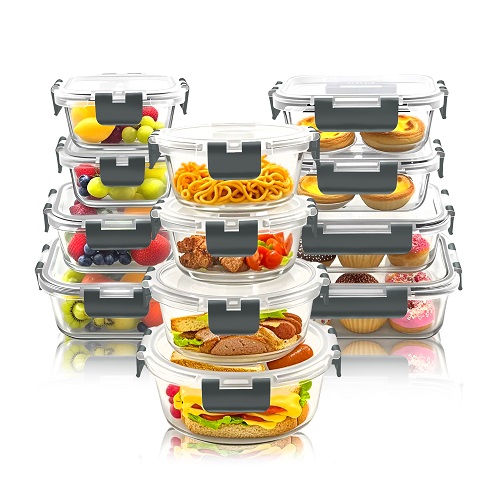 Glass Food Storage
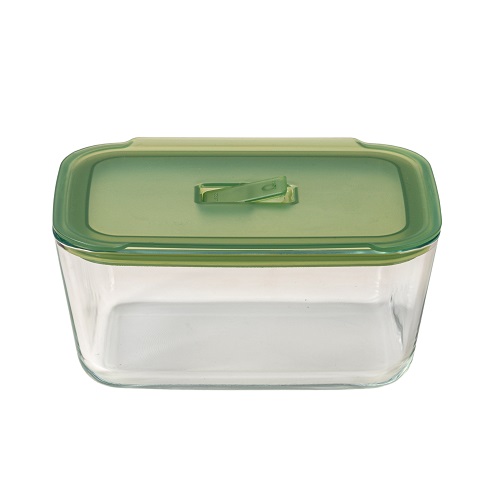 Vacuum Food Storage
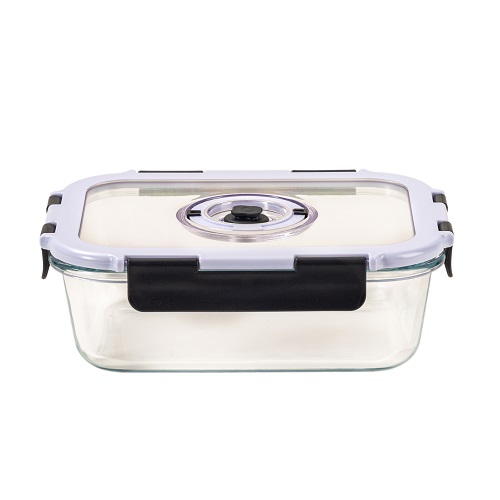 Vacuum Food Storage with Pump
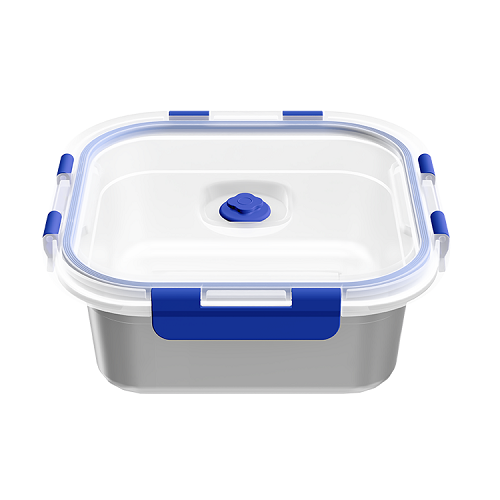 October 11,2026
 October 11,2026
 October 07,2026
Copyright ©2025 All Rights Reserved by Jiangsu Besfull Technology Co., Ltd.