
Meal prep bowls are essential for organized eating. Stainless steel and plastic are popular choices. Here's how they compare.
Plastic Meal Prep Bowls
Plastic containers are widely used:
·
Affordable and accessible
·
·
Lightweight and portable
·
·
Various sizes and shapes
·
·
BPA-free options available
·
Plastic containers work for quick meal prep. They're convenient for beginners.
Stainless Steel Meal Prep Bowls
Stainless steel containers offer advantages:
·
Durable and long-lasting
·
·
Chemical-free storage
·
·
Odor and stain resistant
·
·
Safe for all foods
·
Stainless steel containers support healthier meal prep. No chemical concerns, no flavor transfer.
Durability Comparison
Stainless steel:
·
Nearly indestructible
·
·
Resists dents and scratches
·
·
Lasts for decades
·
Plastic:
·
Prone to scratches
·
·
Can warp and crack
·
·
Needs frequent replacement
·
Safety Comparison
Stainless steel:
·
No chemical leaching
·
·
Safe for all temperatures
·
·
No BPA concerns
·
Plastic:
·
Potential chemical leaching
·
·
Concerns with heat
·
·
BPA-free not chemical-free
·
Reheating Considerations
Stainless steel:
·
Traditional not microwave-safe
·
·
Microwave-safe options emerging
·
·
Oven-safe for some
·
Plastic:
·
Microwave-safe options available
·
·
Not oven-safe
·
·
May warp with heat
·
Weight and Portability
Plastic:
·
Lighter for carrying
·
·
Good for commuting
·
·
Less burden
·
Stainless steel:
·
Lighter than glass
·
·
Heavier than plastic
·
The Meal Prep Choice
For meal prep, stainless steel offers safety and durability. Plastic offers affordability and lightness. Consider your priorities: safety or convenience?
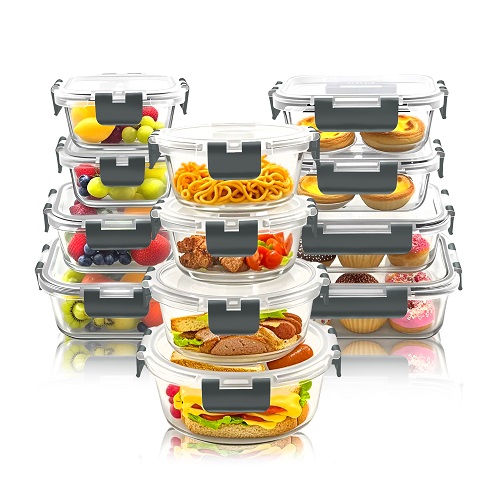 Glass Food Storage
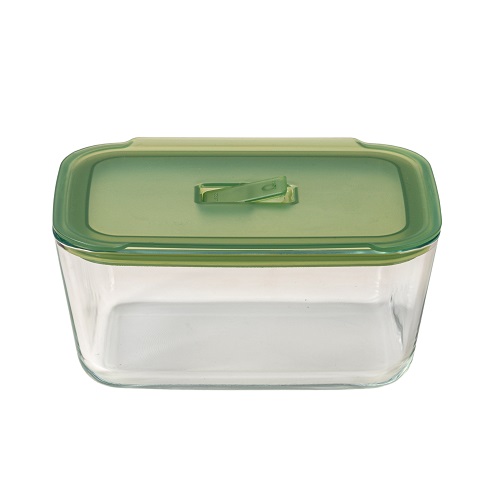 Vacuum Food Storage
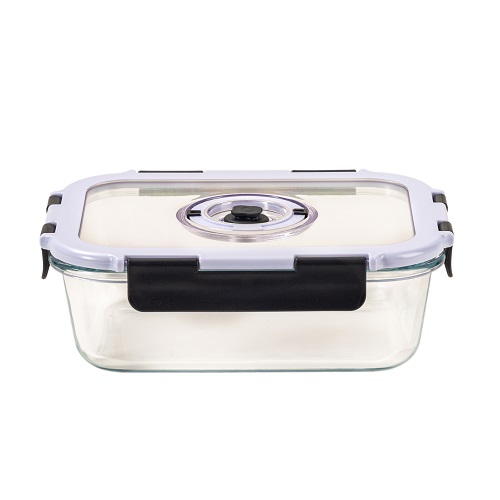 Vacuum Food Storage with Pump
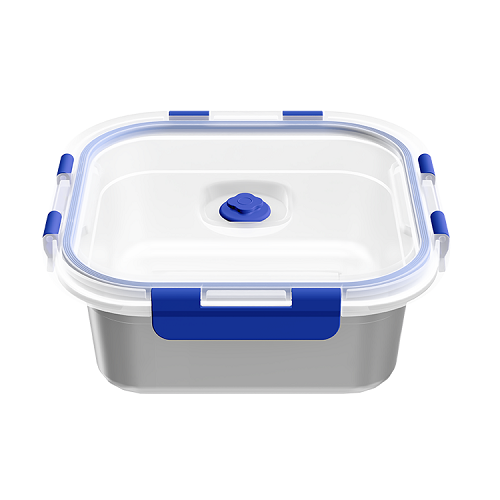 October 11,2026
 October 11,2026
 October 07,2026
Copyright ©2025 All Rights Reserved by Jiangsu Besfull Technology Co., Ltd.