
Meta Description: Compare stainless steel and plastic for food storage safety. Learn which material offers better protection for your food.
Food safety is paramount. Stainless steel and plastic containers offer different safety profiles. Here's how they compare.
Chemical Safety
Stainless steel:
·
No chemical leaching
·
·
Inert material
·
·
Safe for all foods
·
·
No BPA concerns
·
Plastic:
·
Potential chemical leaching
·
·
BPA and substitutes
·
·
Concerns with heat
·
·
Unknown long-term effects
·
Bacterial Safety
Stainless steel:
·
Non-porous surface
·
·
No bacterial harborage
·
·
Easy to sanitize
·
·
Hygienic storage
·
Plastic:
·
Scratches harbor bacteria
·
·
Porous surface
·
·
Harder to sanitize
·
·
Hygienic concerns
·
Temperature Safety
Stainless steel:
·
Stable at all temperatures
·
·
No degradation
·
·
Freezer and oven safe
·
Plastic:
·
Degrades with heat
·
·
May warp or melt
·
·
Limited temperature range
·
Odor and Stain Safety
Stainless steel:
·
No absorption
·
·
Stays clean and fresh
·
·
No flavor transfer
·
Plastic:
·
Absorbs odors and stains
·
·
Flavor transfer possible
·
·
Degradation indicator
·
Durability Safety
Stainless steel:
·
Nearly indestructible
·
·
Long lifespan
·
·
Reliable storage
·
Plastic:
·
Wears out over time
·
·
Cracks and scratches
·
·
Safety concerns with wear
·
The Safety Verdict
Stainless steel offers superior food safety. Its non-porous, chemical-free surface provides the safest storage. For health-conscious consumers, stainless steel is the better choice.
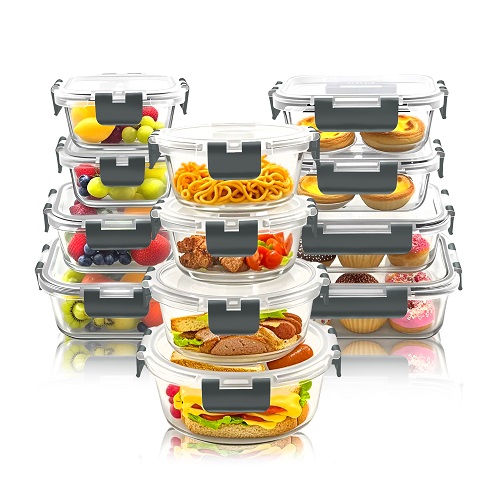 Glass Food Storage
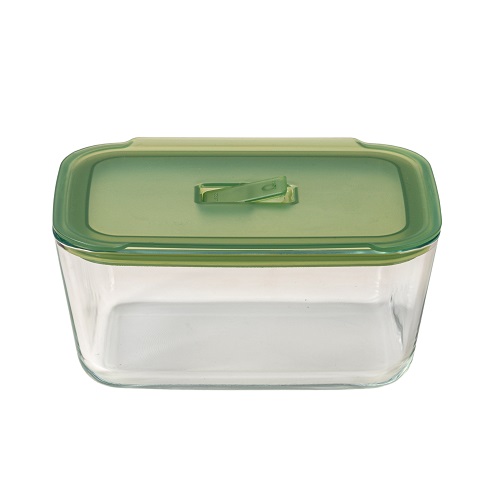 Vacuum Food Storage
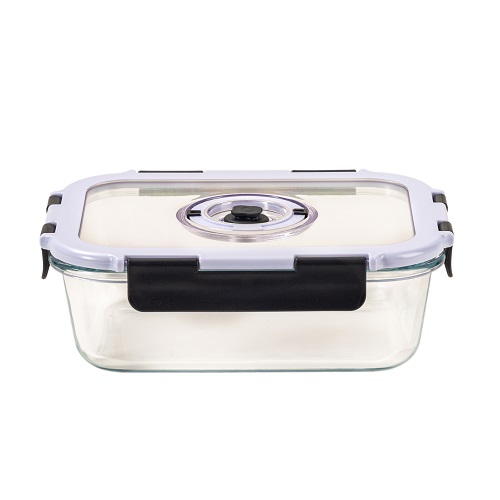 Vacuum Food Storage with Pump
 October 11,2026
 October 11,2026
 October 07,2026
Copyright ©2025 All Rights Reserved by Jiangsu Besfull Technology Co., Ltd.