
Meta Description: Choose stainless steel for chemical-free food storage. Learn why stainless steel food containers are the safest option for health-conscious consumers.
For those seeking to eliminate chemical exposure, stainless steel food containers are the answer. They contain no BPA, no phthalates, no plasticizers—no chemicals at all.
Stainless Steel Composition
Stainless steel food containers are made from metal alloy. Common food-grade grades:
304 (18/8): 18% chromium, 8% nickel
316 (18/10): 18% chromium, 10% nickel
These materials are stable, non-reactive, and food-safe.
No Chemical Leaching
Stainless steel doesn't leach chemicals:
No BPA or substitutes
No phthalates
No plasticizers
No endocrine disruptors
This makes stainless steel lunch boxes the safest option for health-conscious consumers.
Acid Resistance
High-grade stainless steel resists acidic foods:
Tomatoes, citrus, vinegar
Dressings and marinades
Pickled foods
Low-quality stainless steel may react with acids. Choose 304 or 316 food-grade stainless steel.
No Odor or Flavor Transfer
Stainless steel is non-porous:
Doesn't absorb odors
Doesn't transfer flavors
No lingering garlic smell
No curry taste in tomorrow's fruit
Heat Resistance
Stainless steel handles temperature extremes:
Freezer-safe
Oven-safe (check specific containers)
Dishwasher-safe
Some are microwave-safe (innovation)
Durability
Stainless steel containers are nearly indestructible:
Won't crack or break
Resist dents
Last for decades
Can be passed down
Recyclability
Stainless steel is 100% recyclable:
Can be recycled indefinitely
No quality loss
Supports circular economy
Making the Switch
For chemical-free storage, stainless steel food containers are the best choice. They eliminate chemical concerns entirely. They're durable, safe, and sustainable.
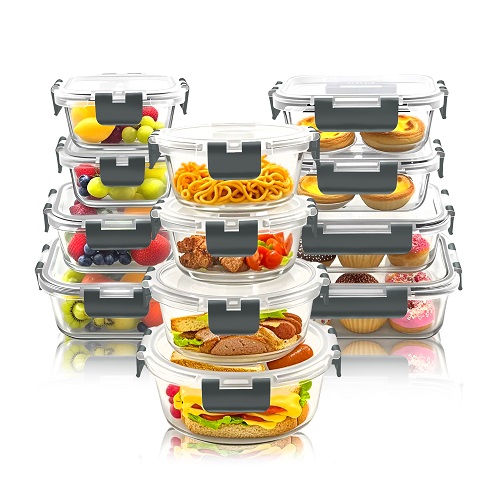 Glass Food Storage
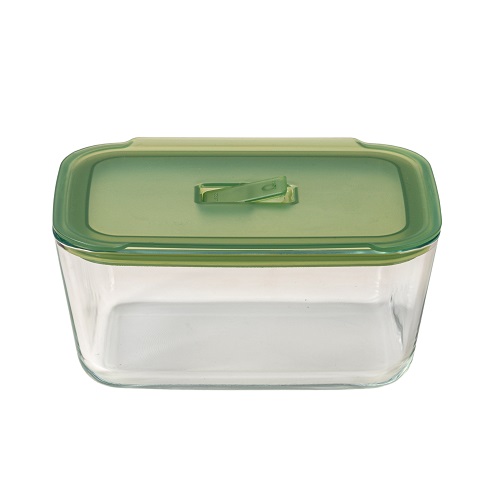 Vacuum Food Storage
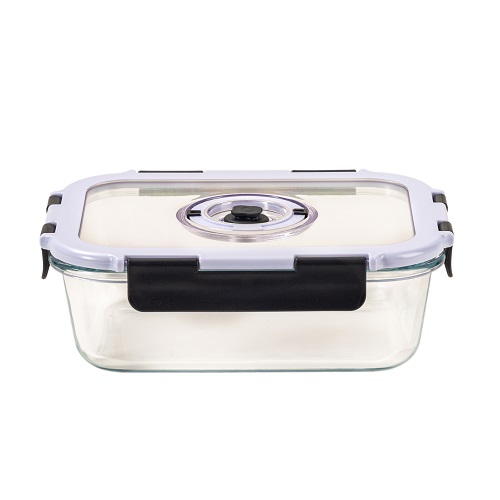 Vacuum Food Storage with Pump
 October 11,2026
 October 11,2026
 October 07,2026
Copyright ©2025 All Rights Reserved by Jiangsu Besfull Technology Co., Ltd.