
Meta Description: Stay safe with proper glass food storage container use. Learn about thermal shock, breakage risks, and how to prevent accidents in your kitchen.
Glass food storage containers are incredibly safe when used properly, but like any kitchen tool, they have limitations. Understanding these limitations helps you prevent accidents and enjoy your glass lunch box for years. Here is what you need to know about glass container safety.
The Thermal Shock Reality
Thermal shock—breakage caused by rapid temperature changes—is the most common risk with glass containers. Different glass types handle thermal shock differently. Borosilicate glass can withstand temperature changes up to 150°C, while soda-lime glass may crack with changes as small as 50°C . Always know what type of glass you own and respect its limitations.
Common Causes of Breakage
Understanding why glass breaks helps prevent accidents. Pouring boiling water into a cold container creates stress. Moving a dish directly from freezer to hot oven invites disaster. Placing hot glass on a wet or cold surface causes rapid contraction. Even the container's thickness matters—thicker glass actually breaks more easily during thermal stress because heat transfers slowly through the material .
Microwave Safety Guidelines
Microwaving glass food storage containers is generally safe, but precautions matter. Always ensure containers are labeled microwave-safe. Remove lids or leave them vented to allow steam escape—pressure buildup can cause explosions . Never microwave empty containers. Avoid overheating dry foods, which can create hot spots that stress the glass. And never microwave metal objects, including the metal trim some decorative containers feature .
Foods That Cause Problems
Some foods create special risks in glass containers. Eggs in shells, whole tomatoes, and chestnuts can explode in microwave ovens regardless of container material . High-sugar foods can overheat and reach temperatures that stress glass. Very dry foods may heat unevenly, creating thermal stress points. When reheating, adding a small amount of liquid promotes even heating and reduces breakage risk.
Inspection and Maintenance
Regular inspection prevents accidents. Check your glass food storage containers for chips, cracks, or scratches before each use. Even small damage compromises structural integrity and increases breakage risk . Inspect lids for worn seals—cracked silicone allows leaks and reduces freshness. When you find damaged items, recycle them immediately rather than risking continued use.
Freezer Guidelines
Freezing in glass requires specific precautions. Leave headspace because liquids expand as they freeze—overfilling can crack containers . Allow hot food to cool completely before freezing. When removing frozen containers, let them thaw in the refrigerator rather than applying direct heat. Avoid stacking frozen containers where they might shift and impact each other.
Handling Hot Glass
Hot glass looks exactly like cold glass—there is no color change to warn you. Always use oven mitts or thick towels when removing heated glass food storage containers from microwave or oven . Place hot containers on dry trivets or cooling racks, never on wet or cold surfaces. Warn others in the kitchen that the container is hot.
Children and Glass
Families with children often worry about glass breakage. Modern tempered glass is surprisingly durable, but accidents happen. Establish rules: children should only handle glass on stable surfaces, never while running. Consider silicone sleeves that provide grip and cushioning. Teach children to recognize when containers are hot. With proper supervision and boundaries, glass containers can be part of a family kitchen.
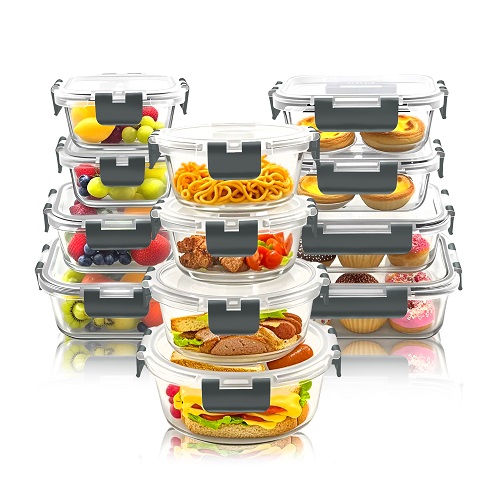 Glass Food Storage
 Vacuum Food Storage
 Vacuum Food Storage with Pump
 October 11,2026
 October 11,2026
 October 07,2026
Copyright ©2025 All Rights Reserved by Jiangsu Besfull Technology Co., Ltd.