
Meta Description: Choose the best container for leftovers. Compare plastic vs. stainless steel for preserving leftover quality and safety.
Leftovers are a kitchen staple. Plastic and stainless steel containers offer different benefits for leftover storage. Here's how they compare.
Plastic for Leftovers
Plastic containers are common for leftovers:
·
Affordable and accessible
·
·
Various sizes
·
·
Microwave-safe options
·
·
Lightweight
·
Plastic containers work for short-term leftover storage. They're convenient for quick meals.
The Plastic Drawbacks
Plastic containers for leftovers:
·
Absorb odors over time
·
·
May stain from sauces
·
·
Degrade with repeated use
·
·
Potential chemical concerns
·
Stainless Steel for Leftovers
Stainless steel containers for leftovers:
·
Non-porous, no odor absorption
·
·
Won't stain or degrade
·
·
Chemical-free storage
·
·
Durable and long-lasting
·
Stainless steel keeps leftover quality high. No flavor transfer. No chemical concerns.
Heat and Reheating
Plastic containers:
·
Microwave-safe options available
·
·
Can warp in heat
·
·
May leach when reheated
·
Stainless steel containers:
·
Traditional stainless steel not microwave-safe
·
·
Some microwave-safe options available
·
·
Need transfer for reheating
·
Temperature Performance
Stainless steel containers:
·
Maintain temperature better
·
·
Keep food cool longer
·
·
Good for packed lunches
·
Plastic containers:
·
Less temperature retention
·
·
Better for short-term storage
·
Stain Resistance
Stainless steel:
·
No staining from any food
·
·
Tomato sauce, curry, beets wash off
·
·
Stays looking new
·
Plastic:
·
Tomato sauce stains
·
·
Curry stains
·
·
Beets leave marks
·
The Verdict
For leftover storage, stainless steel offers better durability and safety. Plastic offers convenience and affordability. Many households use both, choosing based on specific needs.
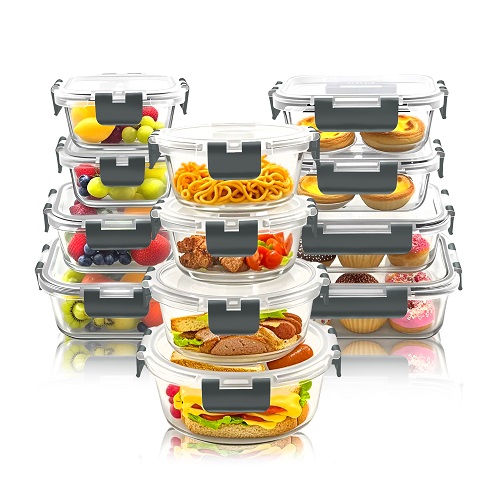 Glass Food Storage
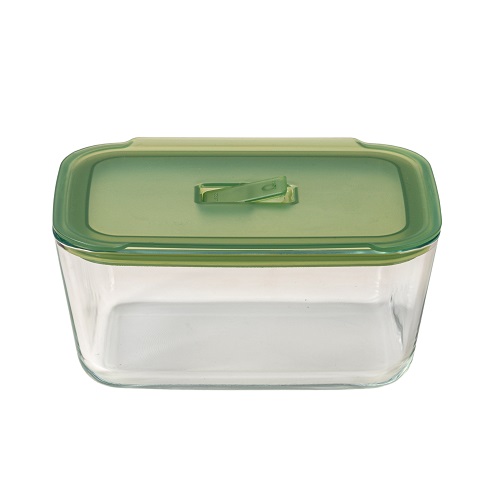 Vacuum Food Storage
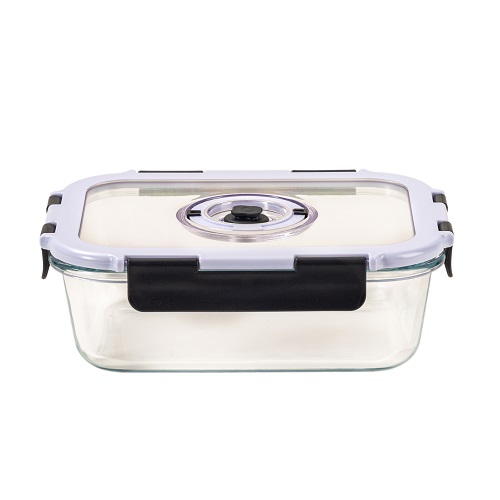 Vacuum Food Storage with Pump
 October 11,2026
 October 11,2026
 October 07,2026
Copyright ©2025 All Rights Reserved by Jiangsu Besfull Technology Co., Ltd.