
Meta Description: Choose the best container for leftovers. Compare plastic vs. glass for preserving food quality and safety.
Leftovers are a kitchen staple. The container you choose affects food quality, safety, and your willingness to actually eat them. Plastic and glass are the main options.
Plastic Leftover Containers
Plastic containers are common for leftovers:
Lightweight and affordable
Various sizes
Stackable designs
Microwave-safe options available
Plastic containers work for short-term leftover storage. They're convenient for grab-and-go meals.
The Plastic Drawbacks
Plastic containers have limitations for leftovers:
Absorb odors and stains
May leach chemicals
Degrade over time
Don't preserve food as well
Glass Leftover Containers
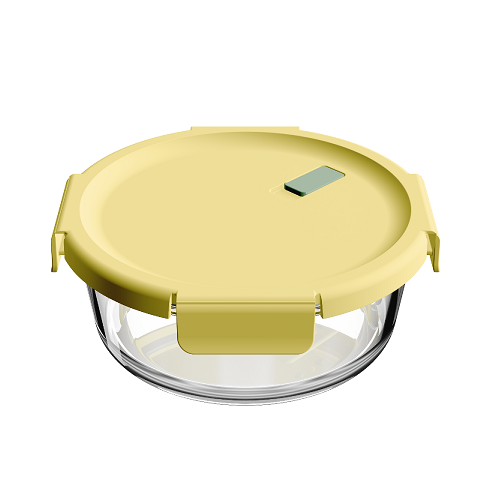
Glass food storage containers are ideal for leftovers:
Non-porous, no odor absorption
Don't stain
Microwave-safe
Airtight seals preserve freshness
Last indefinitely
Glass containers keep leftovers tasting fresh. They're easy to clean and don't retain food residue.
Freshness Preservation
Glass containers with airtight seals:
Prevent air exposure
Reduce spoilage
Keep food moisture balanced
Extend leftover life
Visibility Matters
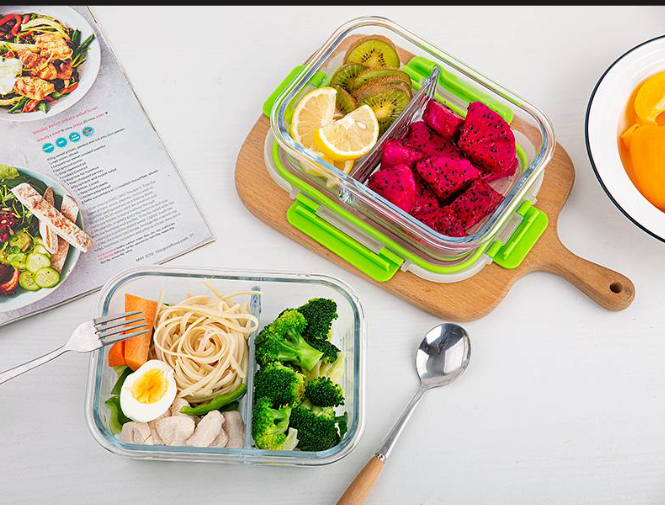
Glass containers let you see leftovers:
You remember what you have
You're more likely to eat them
Less food waste
Better meal planning
Reheating Comparison
Glass containers are superior for reheating:
Microwave-safe
Even heating
No chemical leaching
Oven-safe for some
Plastic containers may release chemicals when heated.
The Leftover Challenge
Leftovers often get forgotten. Glass containers make leftovers visible and appealing. This visibility reduces waste and saves money.
Making the Switch
For leftover storage, glass containers are the superior choice. Their longevity, safety, and visibility justify the higher cost. Start with a few key sizes and expand gradually.
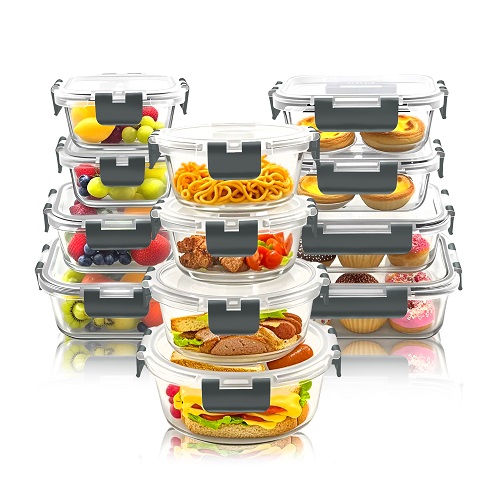 Glass Food Storage
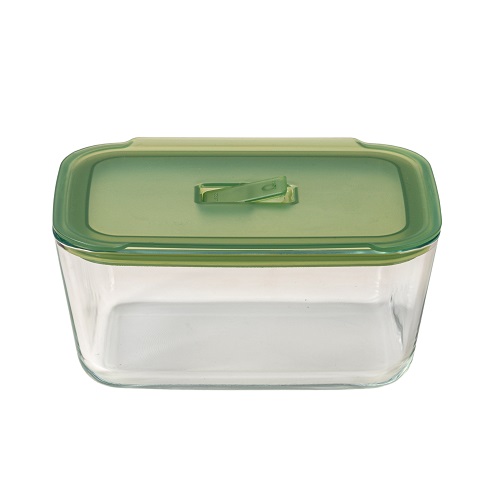 Vacuum Food Storage
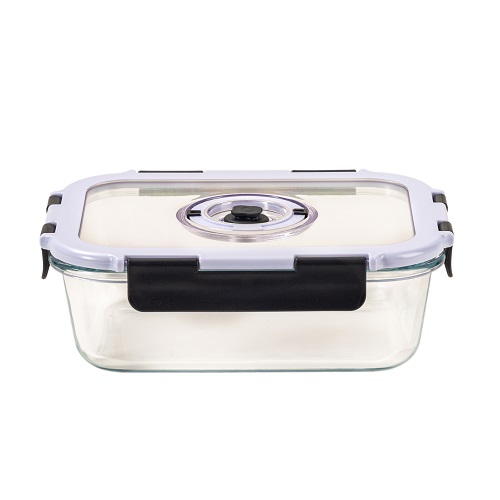 Vacuum Food Storage with Pump
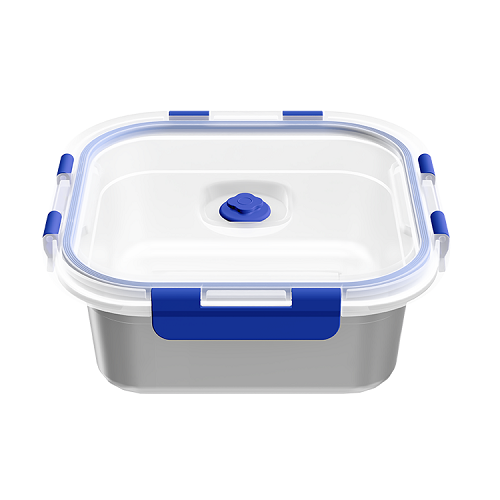 October 11,2026
 October 11,2026
 October 07,2026
Copyright ©2025 All Rights Reserved by Jiangsu Besfull Technology Co., Ltd.