
Recycling codes on plastic containers provide important information about safety and recyclability. Understanding these codes helps you make informed choices.
The Recycling Number System
Plastic containers feature numbers 1-7 inside recycling triangles. Each number represents a different type of plastic resin. Numbers 1, 2, 4, and 5 are generally considered safe for food use, while 3, 6, and 7 should be avoided due to concerns over chemical leaching.
Code 1: PETE (Polyethylene Terephthalate)
Found in water bottles and soda bottles. Safe for single use, not suitable for repeated heating. Not recommended for repeated food storage.
Code 2: HDPE (High-Density Polyethylene)
Found in milk jugs and detergent bottles. Considered safe for food storage. Resists chemicals and moisture. Widely recyclable.
Code 3: PVC (Polyvinyl Chloride)
Used in some food wrap and bottles. Contains phthalates. Avoid for food storage. Not recyclable in most areas. The American Academy of Pediatrics recommends avoiding containers with recycling code 3.
Code 4: LDPE (Low-Density Polyethylene)
Used in some food bags. Safe for food bags, but not recommended for baby drinking bottles. Limited recycling availability.
Code 5: PP (Polypropylene)
Common in plastic food containers. Plastic labeled with a number 5 and the letters "PP" is considered one of the safer options. Heat-resistant and generally BPA-free.
Code 6: PS (Polystyrene)
Used in foam containers. Contains styrene. Avoid due to concerns over chemical leaching. The American Academy of Pediatrics recommends avoiding code 6.
Code 7: Other
Includes polycarbonate (may contain BPA) and other plastics. Contains bisphenols. Exercise caution. Avoid when possible.
The Bottom Line
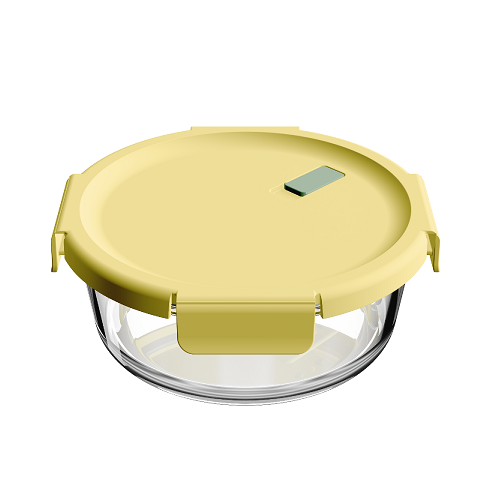
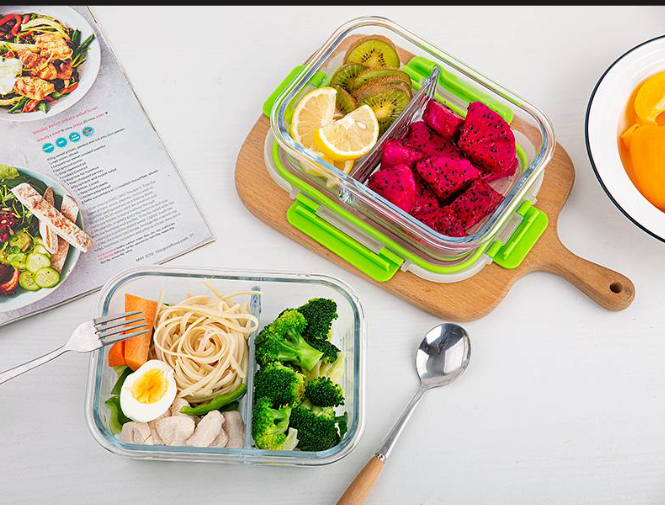
For plastic containers, choose #2, #4, or #5. Avoid #3, #6, and #7. For the safest storage, choose glass or stainless steel.
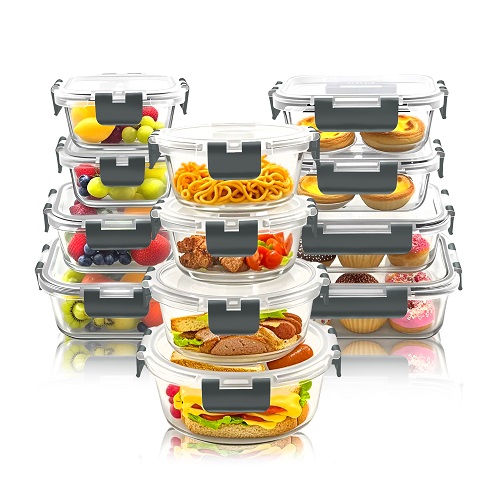 Glass Food Storage
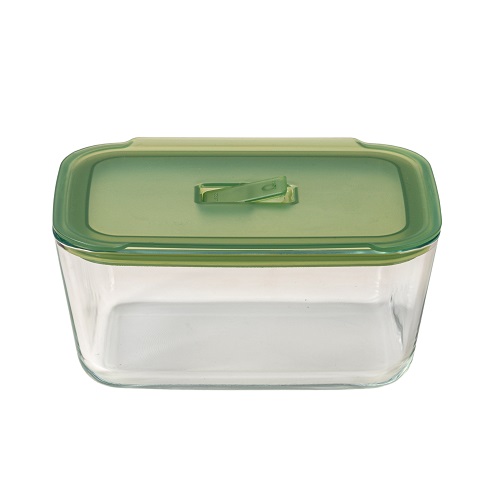 Vacuum Food Storage
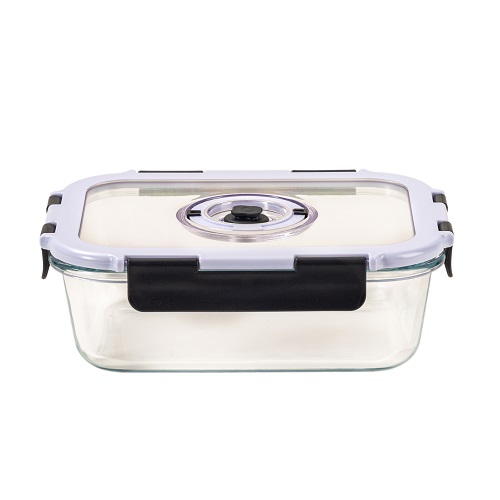 Vacuum Food Storage with Pump
 October 11,2026
 October 11,2026
 October 07,2026
Copyright ©2025 All Rights Reserved by Jiangsu Besfull Technology Co., Ltd.