
Meta Description: Understand the health risks of plastic food containers. Learn about BPA, phthalates, and other chemical concerns.
Plastic containers raise significant health concerns. Understanding these risks helps you make informed choices. Here's what you need to know.
BPA: The Known Risk
BPA is a chemical found in hard plastics and is a known endocrine disruptor. BPA can interfere with hormones, fertility, metabolism, and the immune system, and can contribute to several health issues. Exposure to BPA is linked to a higher risk of various cancers, including breast, uterus, ovarian, prostate, and testicular cancer.
Phthalates: Another Concern
Phthalates are chemicals that people are most concerned about, along with BPA. They're used as plasticizers in some plastics. Phthalates can leach into food and have endocrine-disrupting effects.
BPA-Free Isn't Risk-Free
BPA-free containers may contain substitutes like BPS or BPF. These chemicals leach from the plastic containers into the food, get access into the biological systems, and cause a toxic impact on health.
Temperature Matters
Consumers should be careful when using plastic cups and containers, especially at higher temperatures, as EDC release can pose health risks. Heat accelerates chemical migration. Even at room temperature, some leaching occurs.
Children Are Most Vulnerable
Chemicals from plastics can cause behavior problems. These health risks are worse for babies and children. Fetal and juvenile mammals are most vulnerable to low-dose effects.
Reducing Exposure
·
Avoid heating food in plastic
·
·
Don't microwave plastic containers
·
·
Replace scratched or worn containers
·
·
Store acidic and oily foods in glass or stainless steel
·
·
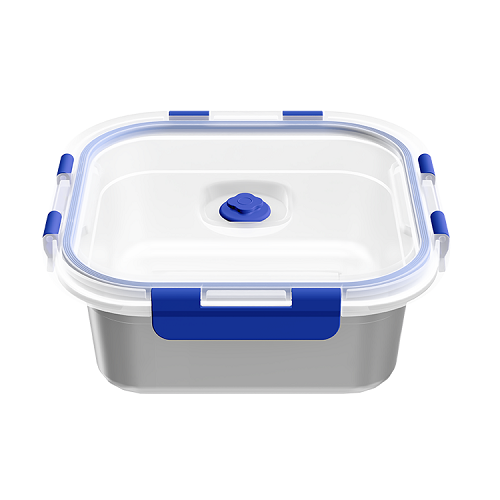
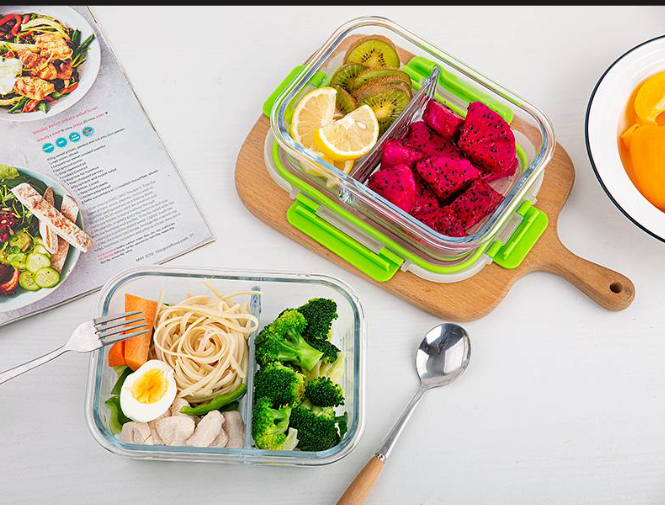
Choose glass or stainless steel alternatives
·
The Bottom Line
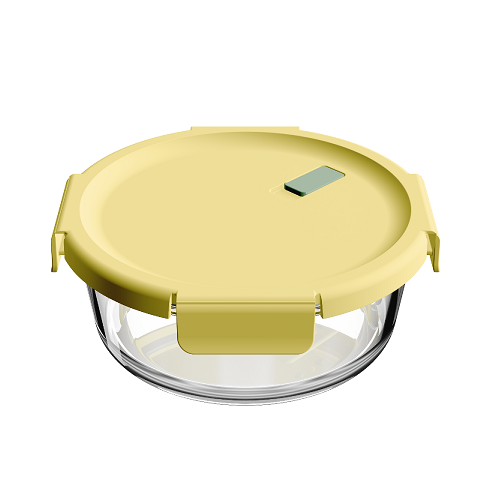
Plastic containers carry health risks that are still being understood. For the safest storage, choose glass or stainless steel.
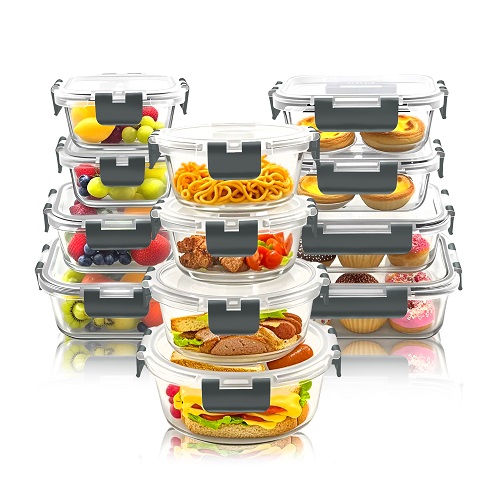 Glass Food Storage
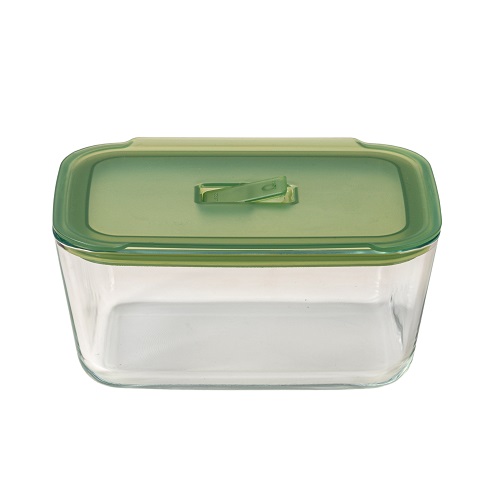 Vacuum Food Storage
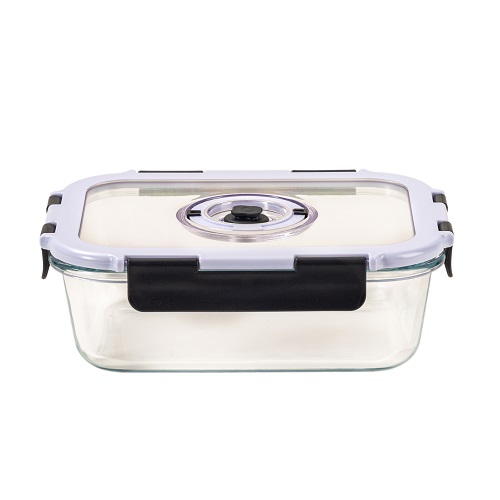 Vacuum Food Storage with Pump
 October 11,2026
 October 11,2026
 October 07,2026
Copyright ©2025 All Rights Reserved by Jiangsu Besfull Technology Co., Ltd.