
Meta Description: Understand chemical leaching from plastic food containers. Learn which conditions increase leaching and how to reduce exposure.
Chemical leaching from plastic containers is a growing concern. Understanding the process helps you reduce exposure and make safer choices.
What Is Leaching?
Leaching is the migration of chemicals from plastic containers into food. Chemicals aren't bonded to the plastic—they're free to move. Heat, time, and food chemistry affect leaching rates.
Chemicals of Concern
Plastic containers may contain:
BPA (bisphenol A)
BPS, BPF (substitutes)
Phthalates (plasticizers)
Other additives
These chemicals can leach into food, especially under certain conditions.
Conditions That Increase Leaching
Leaching increases with:
Heat (microwaving, hot foods)
Long storage time
Acidic foods (tomatoes, citrus)
Oily foods
Scratched or degraded containers
Repeated use
BPA-Free Isn't Chemical-Free
BPA-free plastic containers may contain substitutes:
BPS (bisphenol S)
BPF (bisphenol F)
These substitutes may carry similar health risks. "BPA-free" doesn't mean "safe."
Plastic vs. Glass Leaching
Glass containers don't leach:
Chemically inert material
No additives to migrate
Safe for all foods and temperatures
Non-porous surface
Reducing Leaching Exposure
To reduce leaching from plastic containers:
Don't microwave plastic
Don't heat food in plastic
Use plastic for cool/cold foods only
Replace scratched or cloudy plastic
Wash by hand, not dishwasher
Don't store acidic or oily foods in plastic
The Safe Alternative
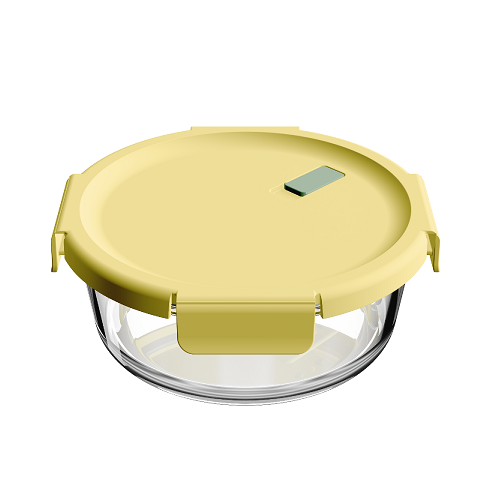
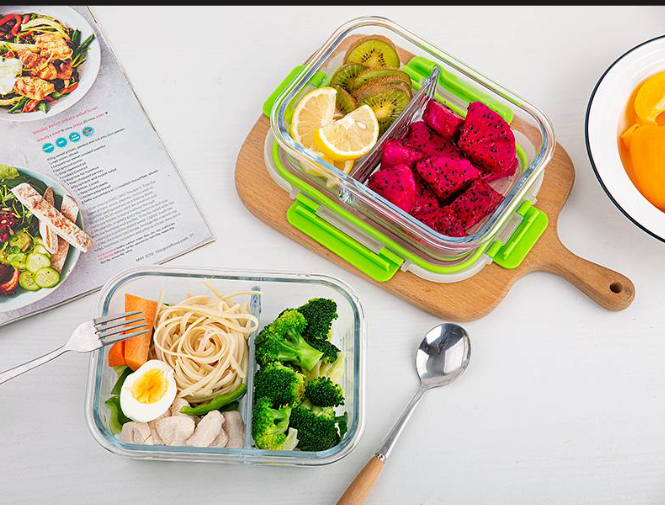
Glass or stainless steel food containers eliminate leaching concerns completely. Neither material contains chemicals that can migrate into food. For those seeking to minimize exposure, these are the best choices.
Making the Switch
Transition to non-plastic containers gradually. Start with containers used for heating and acidic foods. Expand to all food storage over time.
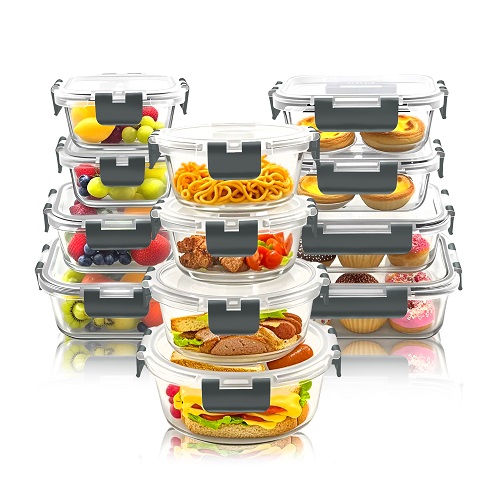 Glass Food Storage
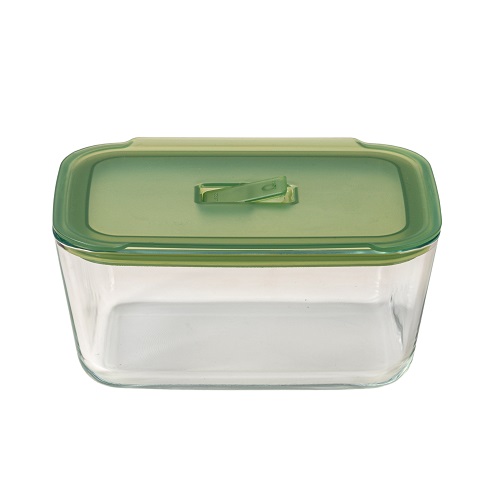 Vacuum Food Storage
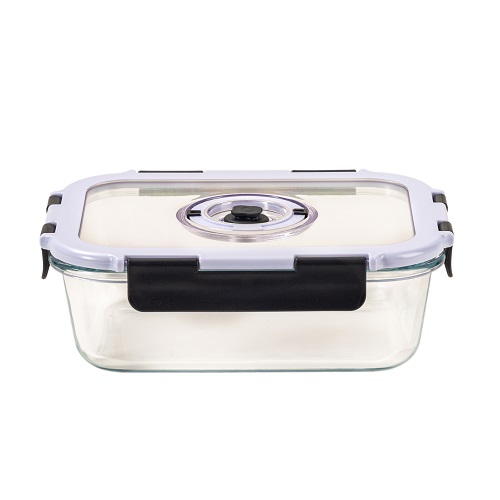 Vacuum Food Storage with Pump
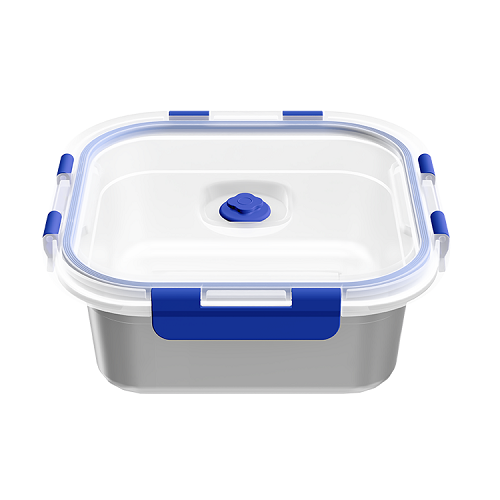 October 11,2026
 October 11,2026
 October 07,2026
Copyright ©2025 All Rights Reserved by Jiangsu Besfull Technology Co., Ltd.