
Meta Description: Understand microplastics from plastic food containers. Learn about health risks and how to reduce exposure.
Microplastics have become a growing concern. Plastic containers are a significant source. Here's what you need to know about microplastics and food storage.
What Are Microplastics?
Microplastics are tiny particles of plastic that break down from larger plastic items. Most plastics do not biodegrade. Instead, they break down into increasingly smaller microplastics, which are digested by humans and wildlife.
Microplastics in Food
Research shows that tiny particles of plastic from food storage containers can end up in your food, posing a potential health risk. Did you know you swallow about five grams of microplastics every week?
Health Risks
Microplastics can carry harmful chemicals. Chemicals from plastics can cause behavior problems. These health risks are worse for babies and children. The long-term health effects of microplastic ingestion remain under study.
How Microplastics Enter Food
Plastic containers release microplastics through:
·
Wear and tear (scratches)
·
·
Heat exposure
·
·
Degradation over time
·
·
Dishwashing and cleaning
·
Reducing Microplastic Exposure
·
Replace scratched or worn plastic containers
·
·
·
·
Hand wash rather than dishwasher
·
·
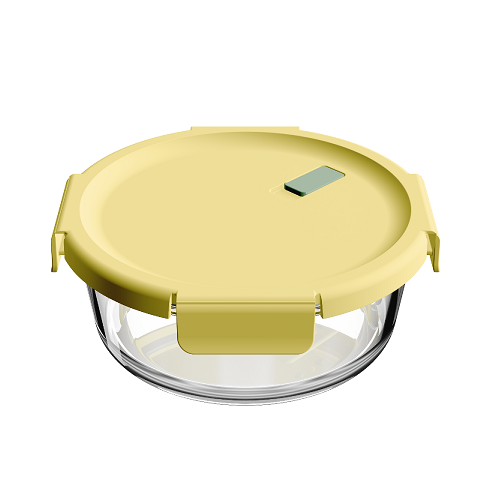
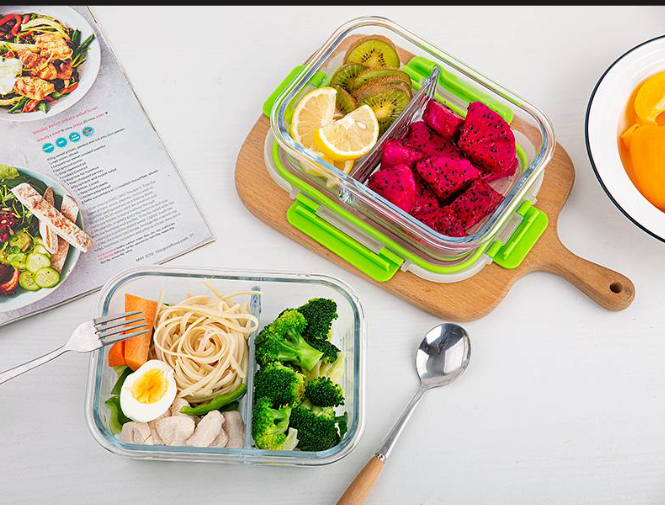
Consider glass or stainless steel alternatives
·
The Safer Alternative
To reduce your plastic use and waste, consider non-plastic alternatives, such as glass or stainless steel containers. These alternatives may cost more up front but may end up saving you money with their longer lifespans.
The Bottom Line
Microplastics from plastic containers are a real concern. Switching to glass or stainless steel eliminates this exposure entirely.
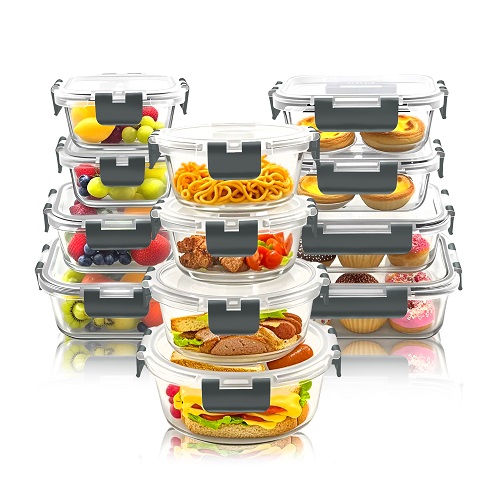 Glass Food Storage
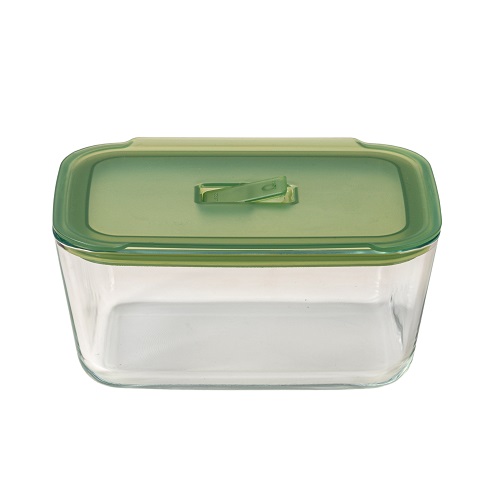 Vacuum Food Storage
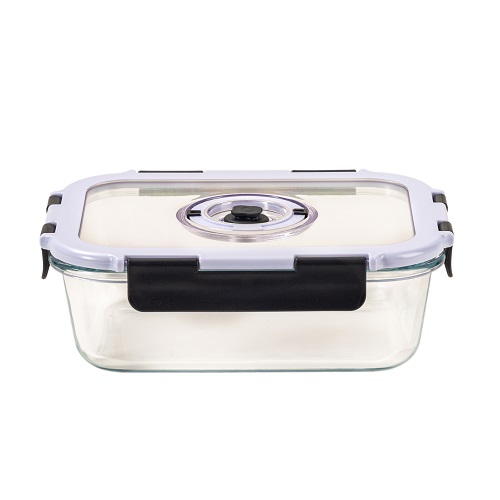 Vacuum Food Storage with Pump
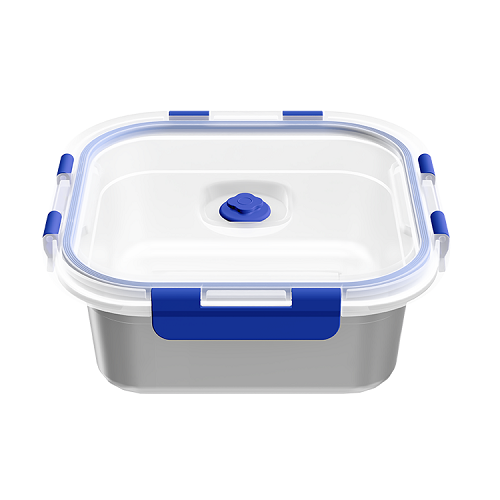 October 11,2026
 October 11,2026
 October 07,2026
Copyright ©2025 All Rights Reserved by Jiangsu Besfull Technology Co., Ltd.