
Meta Description: Understand the truth about BPA-free plastic containers. Learn why BPA-free doesn't always mean safe.
BPA-free labels appear on countless plastic containers. But what does BPA-free really mean? Here's the truth.
What BPA-Free Means
BPA-free means the plastic container doesn't contain Bisphenol A. However:
·
BPA substitutes may be used
·
·
Substitutes may carry similar risks
·
·
"BPA-free" doesn't mean chemical-free
·
Common BPA Substitutes
·
BPS (Bisphenol S)
·
·
BPF (Bisphenol F)
·
·
BPAF (Bisphenol AF)
·
These substitutes have similar chemical structures. Studies suggest similar endocrine-disrupting effects.
The Substitution Problem
When manufacturers remove BPA, they often replace it with similar chemicals. The health effects of substitutes are less studied. There's no evidence substitutes are safer.
Regulatory Gaps
The FDA hasn't fully assessed BPA substitutes. The safety of these chemicals remains uncertain. Consumers are essentially participating in an ongoing experiment.
What BPA-Free Doesn't Mean
BPA-free doesn't mean:
·
Chemical-free
·
·
Safe for all uses
·
·
Non-toxic
·
·
Leaching-free
·
Other Chemical Concerns
Plastic containers may contain:
·
Phthalates (plasticizers)
·
·
Other bisphenols
·
·
Manufacturing residues
·
The Safe Alternative
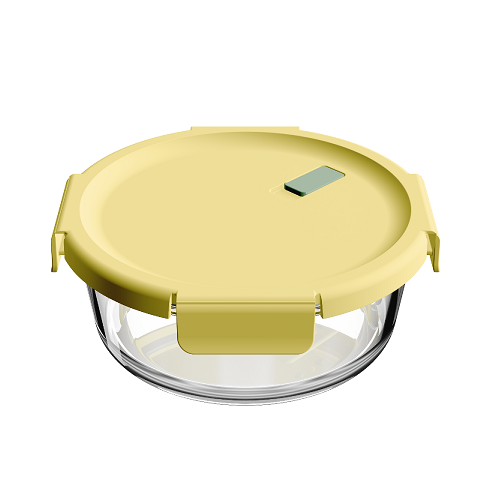
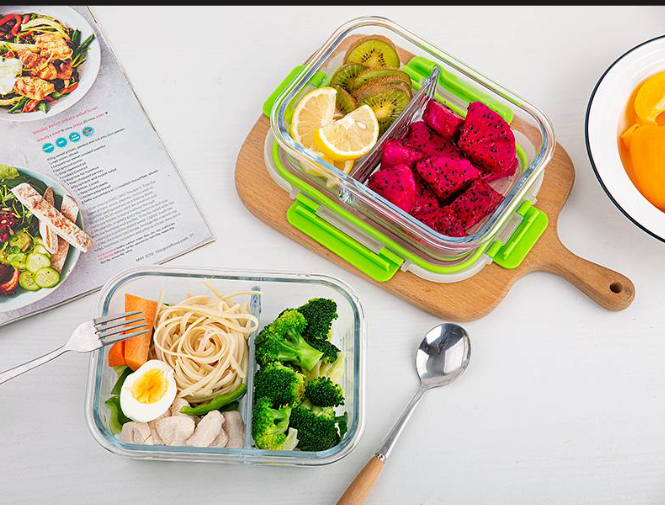
Glass and stainless steel containers are truly chemical-free. They contain no BPA, no substitutes, no questionable additives.
Making Informed Choices
When choosing plastic containers:
·
Understand BPA-free limitations
·
·
Avoid heating plastic
·
·
Replace worn containers
·
·
Consider switching to glass or stainless steel
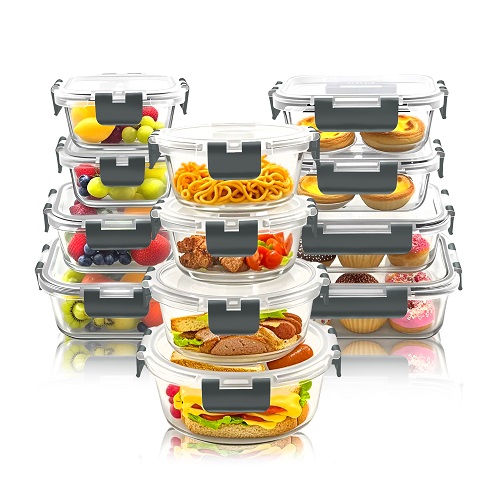 Glass Food Storage
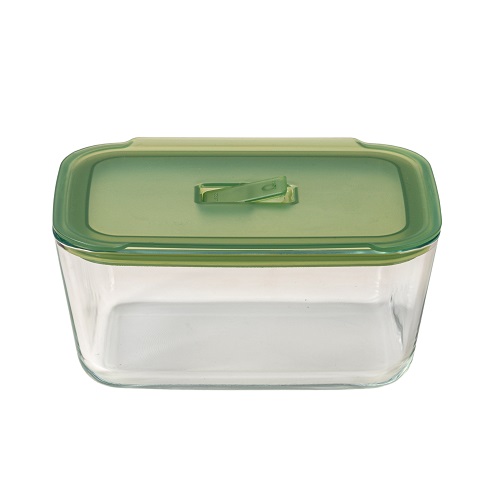 Vacuum Food Storage
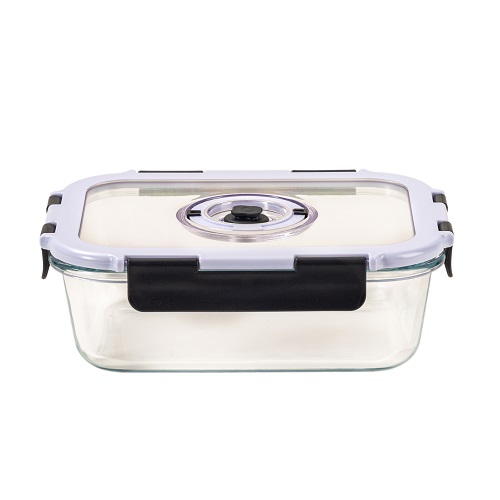 Vacuum Food Storage with Pump
 October 11,2026
 October 11,2026
 October 07,2026
Copyright ©2025 All Rights Reserved by Jiangsu Besfull Technology Co., Ltd.