
Meta Description: Use plastic food containers safely with these dos and don'ts. Learn expert tips for minimizing chemical exposure.
Plastic containers can be used safely with proper practices. Here are the dos and don'ts for safe plastic food storage.
DO: Choose the Right Plastic
Look for airtight and food-grade containers. If made from plastic, check for a "BPA-free" label. Safer choices for food use are numbers one, two, four, and five. Avoid containers with recycling codes 3, 6, or 7.
DO: Use Plastic for Dry Goods
Use plastic containers for dry goods, like pasta, cereal, flours, and oats. If baked goods are cooled, you can store them in a sealable plastic container.
DO: Hand Wash When Possible
Hand washing plastic containers limits heat exposure and can prolong its lifespan. Microwaving or dishwashing plastic containers may damage them.
DO: Inspect Regularly
While washing, look for signs of damage and lids that no longer seal properly. If a plastic container has been repeatedly exposed to high heat, is cracked, stained or otherwise damaged, it might be time to replace.
DON'T: Store Hot Food in Plastic
Never place hot food in plastic containers. Let food cool completely before storing. When plastic is exposed to heat, its structure loosens, causing chemicals to migrate into the food.
DON'T: Store Acidic or Oily Foods
Avoid storing acidic foods, like tomato sauce and dressings, as well as oily and high-fat foods, like butter and oil. They can speed up degradation of plastic.
DON'T: Microwave Plastic
Reheat leftover food in a microwave-safe container when possible. Glass containers are safer for microwave reheating.
DON'T: Reuse Single-Use Plastic
Recycling code 1 indicates single-use plastic. These plastics are only designed to be used once, so repeated use is generally not advised.
The Bottom Line
With proper practices, plastic containers can be used safely. But for the safest storage, choose glass or stainless steel.
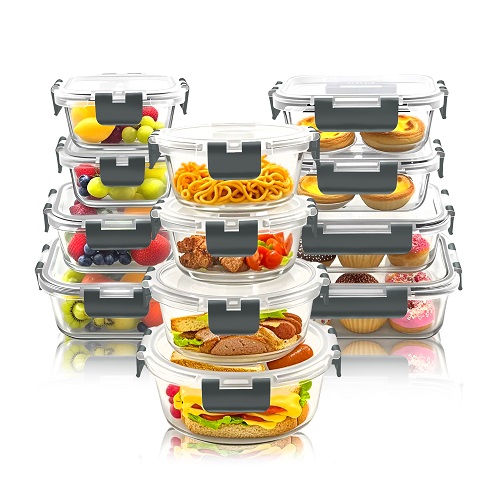 Glass Food Storage
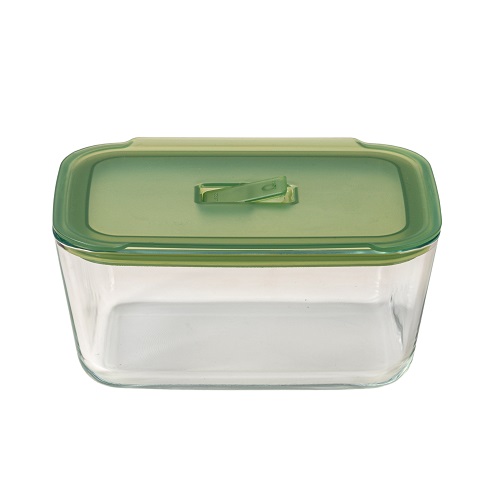 Vacuum Food Storage
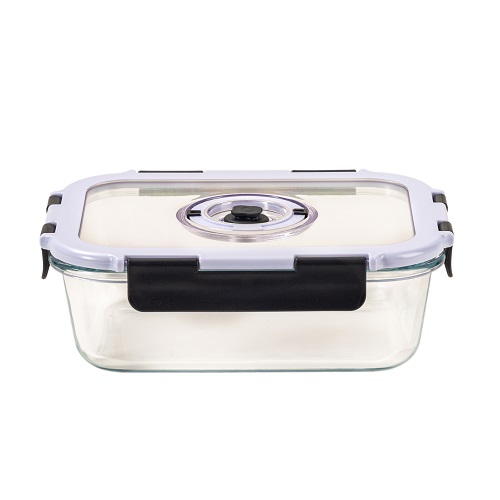 Vacuum Food Storage with Pump
 October 11,2026
 October 11,2026
 October 07,2026
Copyright ©2025 All Rights Reserved by Jiangsu Besfull Technology Co., Ltd.