
Meta Description: Manage food allergies with plastic food containers. Learn how dedicated containers prevent cross-contamination.
Food allergies require careful food management. Plastic containers can be part of a safe storage system when used properly. Here's what allergy-sensitive households need to know.
The Cross-Contamination Risk
Cross-contamination occurs when allergens transfer between foods:
·
Absorbed into porous surfaces
·
·
Trapped in scratches
·
·
Transferred through residue
·
Plastic and Allergens
Plastic containers can absorb food molecules:
·
Protein residues can remain
·
·
Even after washing
·
·
May trigger allergic reactions
·
·
Risk with shared containers
·
Dedicated Container Systems
For allergy households:
·
Designate specific plastic containers for allergen-free foods
·
·
Color-code for different allergens
·
·
Label clearly
·
·
Don't share containers between categories
·
Labeling Strategies
Effective labeling:
·
Allergen warnings
·
·
Gluten-free, nut-free labels
·
·
Color-coding system
·
·
Permanent markers or labels
·
Cleaning Protocols
Thorough cleaning reduces cross-contamination:
·
Wash with hot soapy water
·
·
Rinse thoroughly
·
·
Consider dishwasher with sanitizing cycle
·
·
Replace scratched containers
·
When to Replace Plastic
Replace plastic containers:
·
When scratched
·
·
When stained
·
·
When odorous
·
·
When seals fail
·
Glass and Stainless Steel Alternatives
Glass and stainless steel containers:
·
Non-porous surfaces
·
·
Don't absorb allergens
·
·
Clean more completely
·
·
Safer for allergy households
·
The Allergy-Safe Choice
For allergy-sensitive households, glass and stainless steel are safer than plastic. Their non-porous surfaces don't absorb allergenic proteins. This reduces cross-contamination risk.
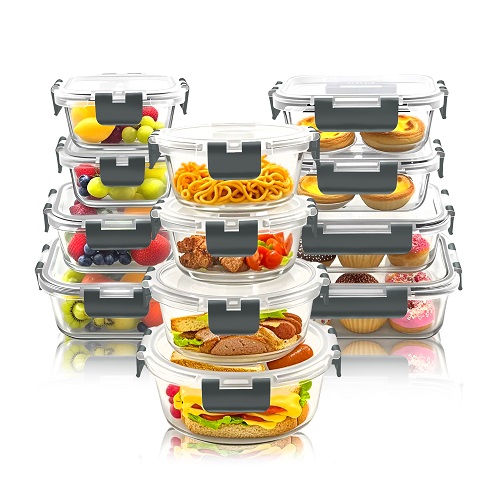 Glass Food Storage
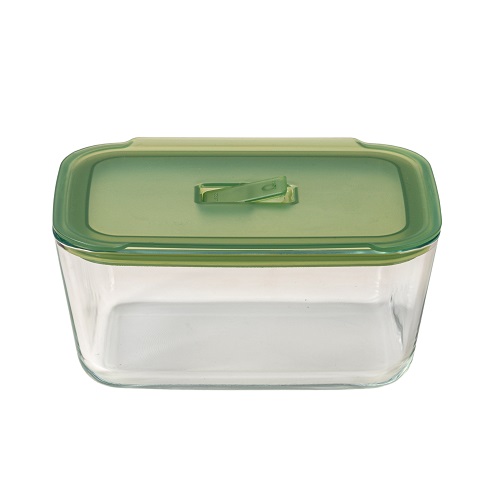 Vacuum Food Storage
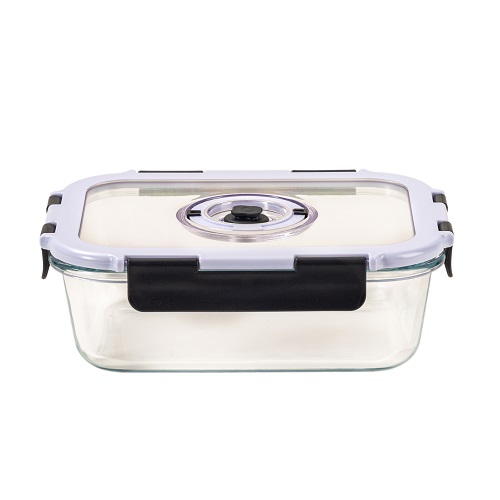 Vacuum Food Storage with Pump
 October 11,2026
 October 11,2026
 October 07,2026
Copyright ©2025 All Rights Reserved by Jiangsu Besfull Technology Co., Ltd.