
Meta Description: Lids make the container. Learn how to evaluate glass food storage container lids for sealing performance, durability, and replacement availability.
The glass body gets attention, but lids determine performance. A quality glass food storage container with a poor lid fails at its primary purpose—keeping food fresh. Understanding lid technology helps you choose containers that perform.
Lid Materials
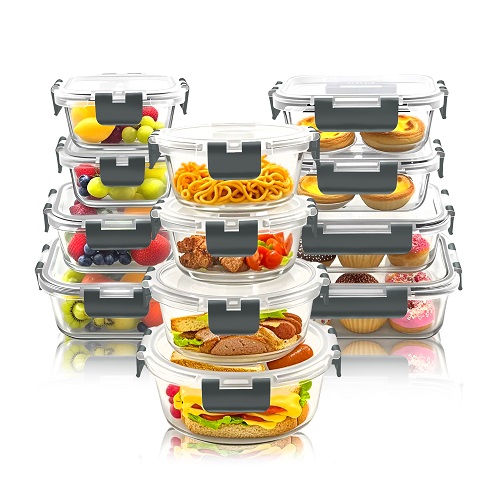
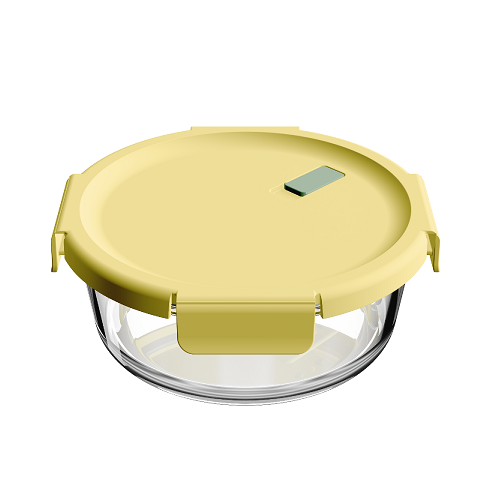
Most lids combine rigid frames with flexible seals. Polypropylene frames provide structure and locking points. Silicone seals create airtight barriers. Some premium lids use glass with silicone gaskets, minimizing plastic use .
Sealing Mechanisms
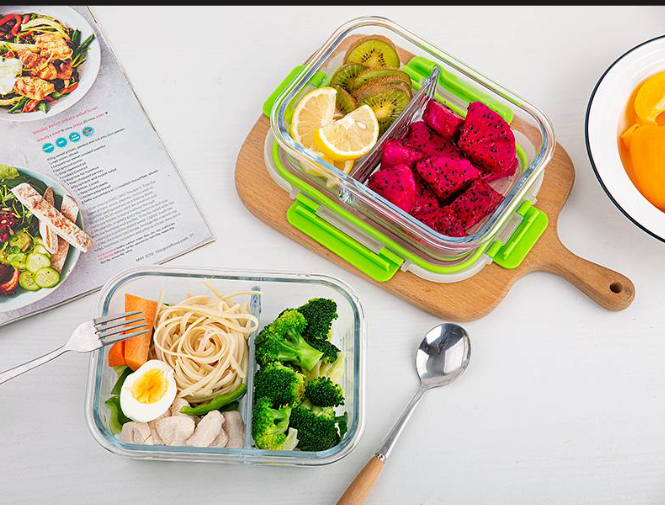
Multiple sealing approaches exist. Four-sided locking systems distribute pressure evenly. Snap-on lids offer simplicity. Screw-top designs create compression seals. Each has advantages—test what works for your needs .
Silicone Quality
Silicone seals vary. Premium silicone maintains flexibility across temperature extremes, from freezer to microwave. Lower-quality silicone hardens over time, losing sealing effectiveness. Look for thick, flexible seals .
Locking Systems
Lock&Lock pioneered four-sided locking. This design creates positive closure audible and tactile feedback. When all sides click, you know the seal is complete. Test locks before purchasing—they should engage smoothly .
Venting Features
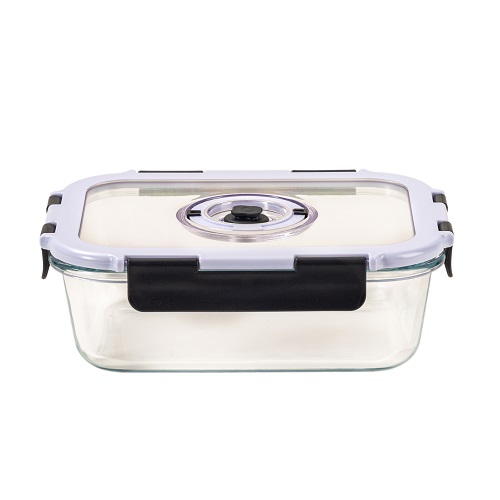
Modern lids often include venting. Small openings allow steam escape during microwave heating, preventing pressure buildup. Some vents close completely for storage. Look for vented lids if you microwave frequently .
Lid Compatibility
Consider system compatibility. Some brands design lids to fit multiple container sizes. This reduces the number of lids needed and simplifies organization. Check compatibility before building your collection .
Replacement Availability
The lid wears out faster than the glass body. Choose brands that offer lid replacements. Lock&Lock provides a lifetime warranty on the lid. Replacement availability extends container life significantly .
Cleaning Considerations
Lids require cleaning. Look for designs with removable seals that allow thorough cleaning. Seals that trap food particles create hygiene issues. Lids should dishwasher-safe, ideally top-rack.
Leak-Proof Testing
True leak-proof requires rigorous design. Test potential purchases by filling with water, sealing, inverting. Quality lids won't leak. Read reviews specifically about leak-proof performance .
Temperature Ratings
Check lid temperature ratings. Some lids withstand microwave heating but not oven temperatures. Others tolerate dishwasher but not freezer. Match lid capabilities to your usage patterns .
Aesthetic Factors
Lids affect kitchen aesthetics. Clear lids allow food visibility. Colored lids create organization systems. Sleek designs complement modern kitchens. Choose lids that please your eye .
Long-Term Performance
Consider long-term lid performance. Will seals remain flexible after years? Will locking mechanisms continue working? Will colors fade? Research brand reputations for durability.
 Glass Food Storage
 Vacuum Food Storage
 Vacuum Food Storage with Pump
 October 11,2026
 October 11,2026
 October 07,2026
Copyright ©2025 All Rights Reserved by Jiangsu Besfull Technology Co., Ltd.