
Meta Description: Compare glass and stainless steel for meal prep. Learn which material keeps your prepped meals fresher and safer.
Meal prep requires reliable containers. Glass and stainless steel are the two main non-plastic options. Each has strengths for different meal prep needs. Here's how they compare.
Glass for Meal Prep
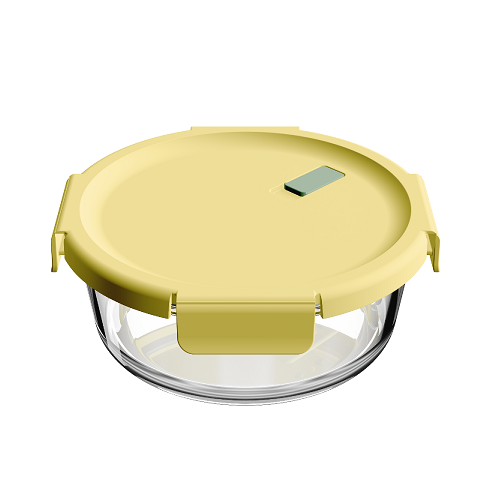
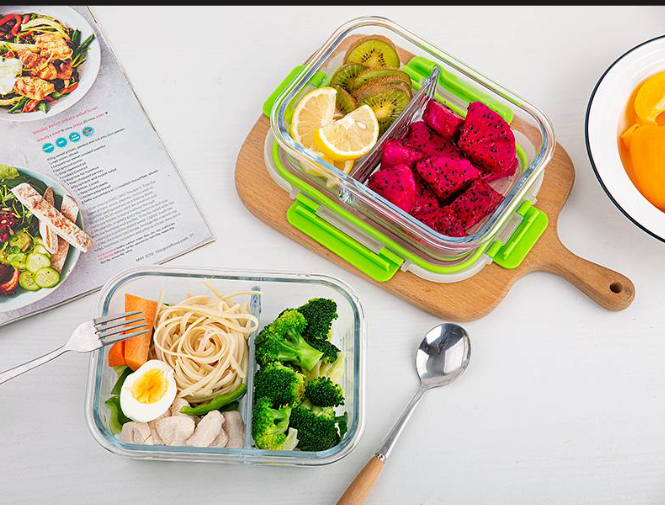
Glass containers excel at visibility—you can see exactly what you've prepared. This visibility reduces food waste because you remember what you have. Glass doesn't absorb odors or stains. It's typically microwave and oven-safe. Glass is heavier than other materials and can break if dropped.
Stainless Steel for Meal Prep
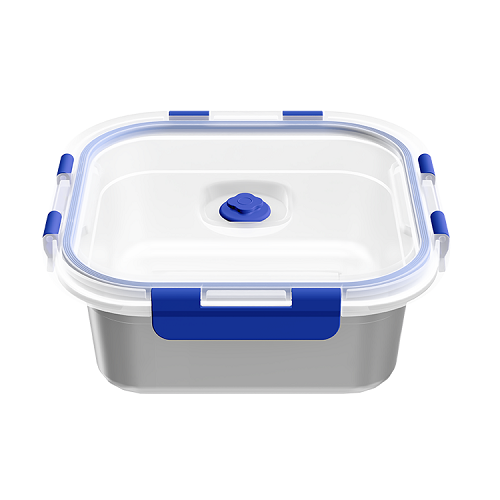
Stainless steel containers are lightweight, won't stain or retain odors, and are extremely durable. They work well for on-the-go meals. You can't see the contents without opening them, but labeling solves this issue. Some stainless steel containers are now microwave-safe.
Durability Comparison
Stainless steel wins on durability. It's nearly indestructible and won't break if dropped. Glass can break, though borosilicate glass is more durable than standard glass.
Reheating Comparison
Glass wins for reheating—microwave and oven safe. Stainless steel traditionally couldn't go in the microwave, but microwave-safe stainless steel options are now available.
Freshness Comparison
Both materials preserve food well with airtight seals. Glass offers the advantage of visibility. Stainless steel offers better temperature retention with ice packs.
The Meal Prep Verdict
For home meal prep, glass is ideal. For on-the-go meal prep, stainless steel is excellent. Many meal preppers use both.
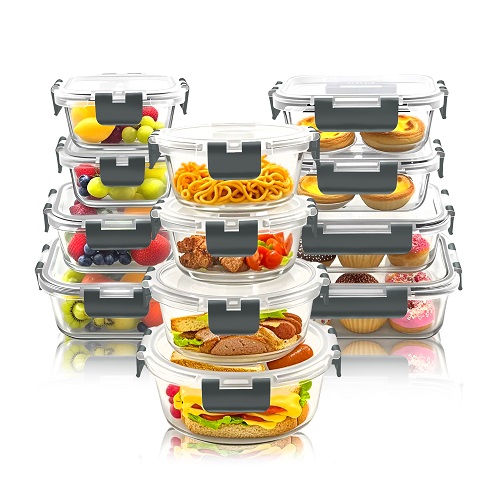 Glass Food Storage
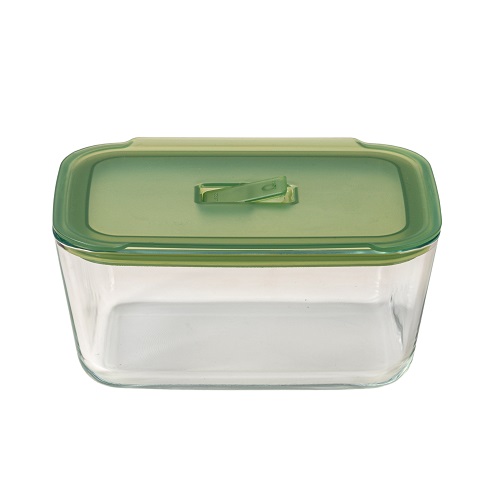 Vacuum Food Storage
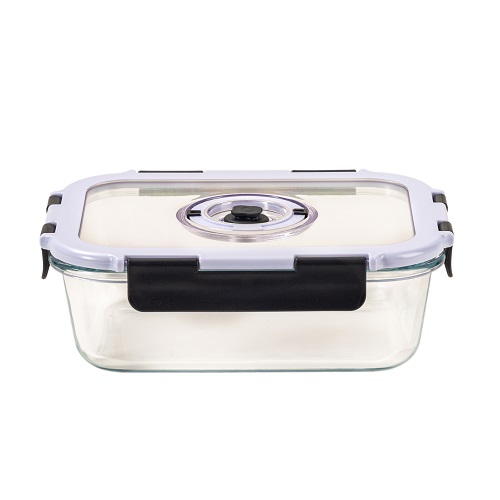 Vacuum Food Storage with Pump
 October 11,2026
 October 11,2026
 October 07,2026
Copyright ©2025 All Rights Reserved by Jiangsu Besfull Technology Co., Ltd.