
Meta Description: Can't decide between materials? We compare glass food storage containers against plastic and stainless steel to help you choose the best option for your lifestyle.
When it comes to food storage, you have three main material choices: plastic, glass, and stainless steel. Each has its strengths and weaknesses. Understanding how glass food storage containers stack up against the competition will help you make an informed decision that suits your cooking habits, lifestyle, and values.
Plastic: Convenient but Compromised
Plastic containers are lightweight, inexpensive, and virtually unbreakable. These qualities make them appealing for kids' lunches and on-the-go use. However, plastic has significant downsides. It stains easily, absorbs odors, and warps in the dishwasher over time. More concerning is the potential for chemical leaching. Studies have shown that heating plastic can cause microplastics and chemicals to migrate into food, especially when used in ways not intended by the manufacturer . Plastic containers also have a short lifespan, contributing to environmental waste .
Glass: The All-Rounder
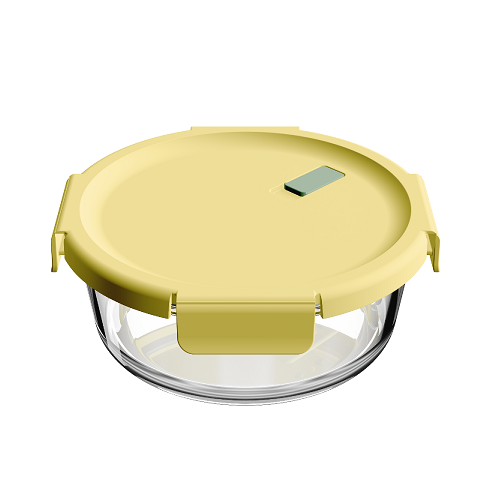
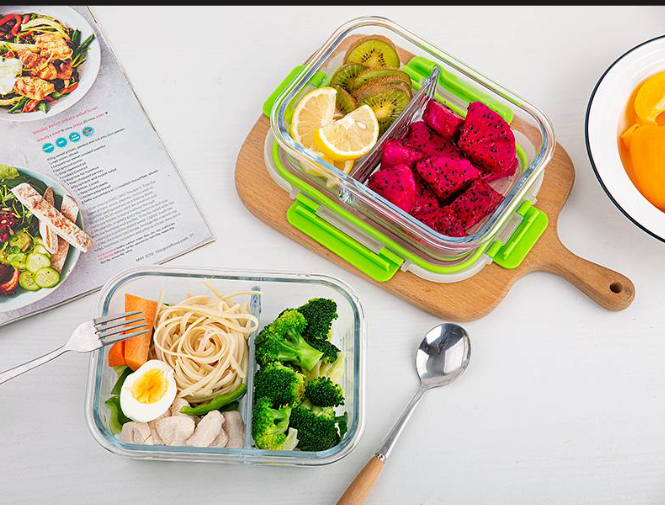
Glass food storage containers hit the sweet spot between safety and versatility. They are non-toxic and chemically inert, meaning they will not leach anything into your food regardless of temperature . Glass resists stains and odors, cleans easily, and is transparent so you can see what is inside. It is microwave-safe, oven-safe (check specific limits), freezer-safe, and dishwasher-safe. The main drawbacks are weight and fragility—glass can break if dropped, though tempered borosilicate glass is surprisingly tough .
Stainless Steel: Durable and Lightweight
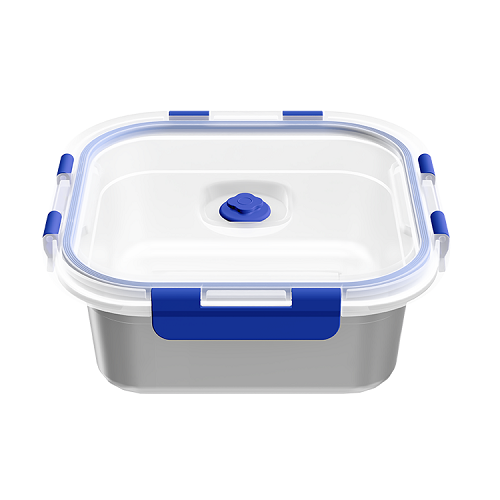
Stainless steel containers are nearly indestructible, lightweight, and excellent for packing lunches. They do not stain or retain odors, and they are fully recyclable. However, stainless steel has two major limitations: it is not transparent, so you cannot see what is inside without opening the lid, and it is not microwave-safe. If you rely on a microwave for reheating, stainless steel will not work for you. It is also more expensive than glass and plastic .
Side-by-Side Comparison
Feature | Glass | Plastic | Stainless Steel |
Microwave Safe | Yes | Check label | No |
Oven Safe | Yes (check limit) | No | No |
Freezer Safe | Yes | Yes | Yes |
Dishwasher Safe | Yes | Top rack only | Yes |
Visibility | Clear | Clear or opaque | Opaque |
Weight | Heavy | Light | Light |
Durability | Can break | Warps, stains | Nearly indestructible |
Chemical Leaching | None | Possible | None |
The Verdict: Use a Mix
Many kitchen experts recommend a hybrid approach. Use glass food storage containers for leftovers, meal prep, and reheating—anything that will go in the microwave or oven. Use stainless steel for packed lunches where weight matters and you will not need to reheat. Keep a few plastic containers around for situations where breakage is a real concern, like camping or sending food home with guests . By choosing the right material for each task, you get the best of all worlds.
Making the Switch
If you are currently using plastic, start by replacing the containers you use most often for reheating with glass food storage containers. Gradually phase out plastic as your old containers wear out. Investing in quality glass containers pays off over time, as they will last for years while keeping your food safe and your kitchen organized .
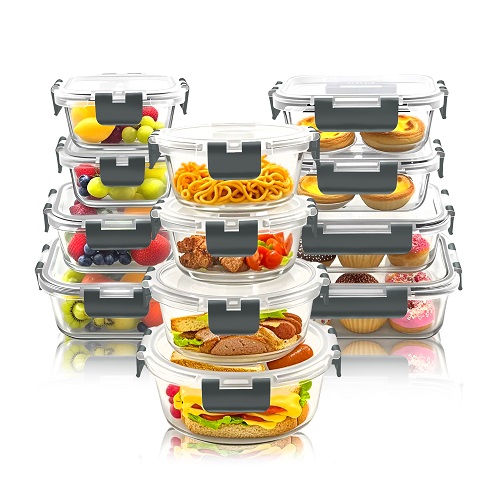 Glass Food Storage
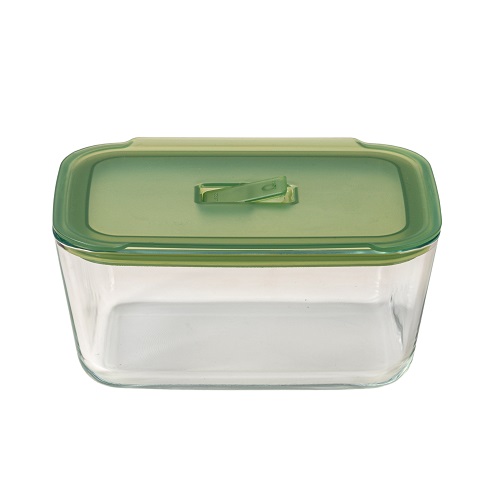 Vacuum Food Storage
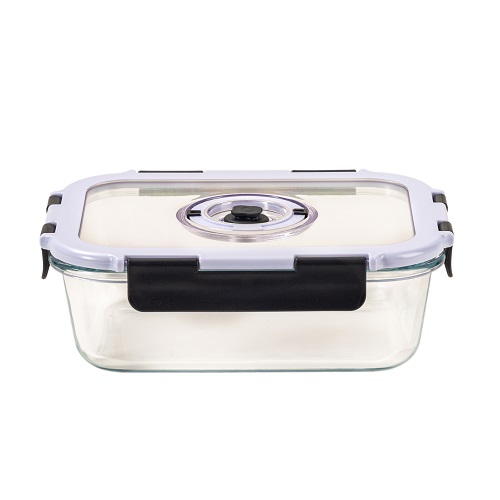 Vacuum Food Storage with Pump
 October 11,2026
 October 11,2026
 October 07,2026
Copyright ©2025 All Rights Reserved by Jiangsu Besfull Technology Co., Ltd.