
Meta Description: Test glass, plastic, and stainless steel containers for temperature performance. Learn which material handles heat and cold best.
Temperature performance varies significantly across materials. Glass, plastic, and stainless steel handle heat and cold differently. Here's how they compare.
Glass: The Temperature Champion
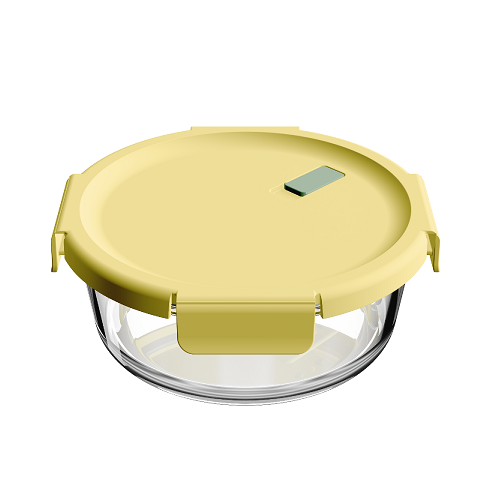
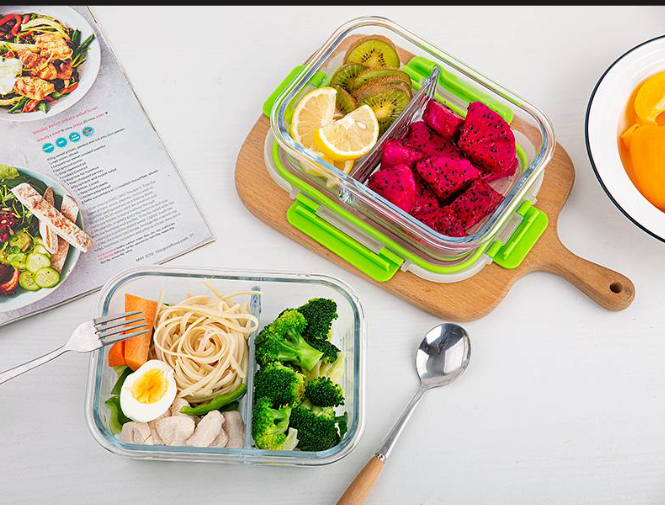
Glass containers, particularly borosilicate glass, excel at temperature performance. Borosilicate glass is durable and heat-resistant so you can heat it in the microwave or in the oven (up to a certain temperature). It's often freezer-safe, which means you don't have to worry about it breaking as food expands or shattering when it changes temps. Some borosilicate containers withstand temperatures from -40°C to 400°C.
Stainless Steel: Improving Rapidly
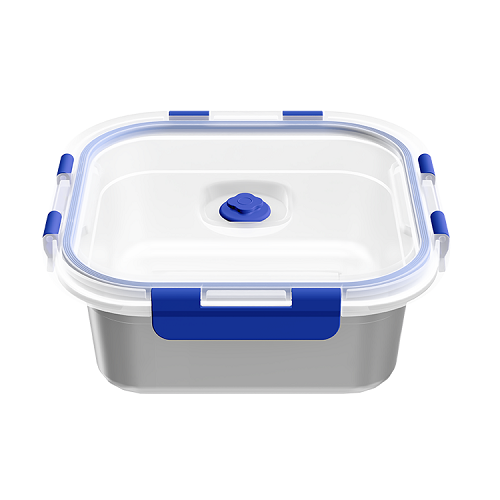
Stainless steel containers are freezer-safe and dishwasher-safe. Some are oven-safe up to 400°C. Microwave-safe stainless steel is now available from several brands. LocknLock's Stainless Gold is designed and tested to be safe for microwave use.
Plastic: The Most Limited
Plastic containers have the most limited temperature range. They can warp in dishwashers and may leach chemicals when heated. Even microwave-safe plastic has limitations. Repeated heat exposure damages plastic.
Thermal Shock Resistance
Borosilicate glass resists thermal shock. It can go from freezer to oven without breaking. Stainless steel also handles temperature changes well. Plastic is most vulnerable to thermal damage.
Reheating Comparison
Glass is ideal for microwave and oven reheating. Stainless steel (microwave-safe versions) offers new options. Plastic should be avoided for reheating when possible.
The Temperature Verdict
Glass wins on temperature versatility. Stainless steel is improving rapidly. Plastic is the most limited. For frequent reheating, choose glass.
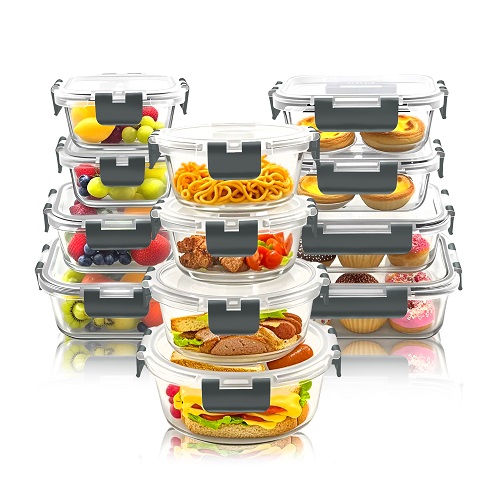 Glass Food Storage
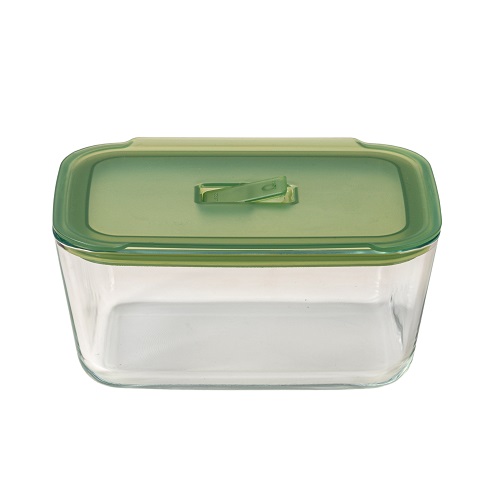 Vacuum Food Storage
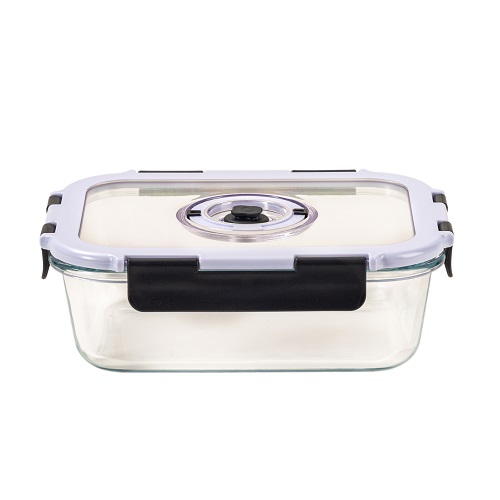 Vacuum Food Storage with Pump
 October 11,2026
 October 11,2026
 October 07,2026
Copyright ©2025 All Rights Reserved by Jiangsu Besfull Technology Co., Ltd.