
Meta Description: See why glass food storage containers don't absorb odors. Learn why plastic holds smells and how glass solves the problem.
Anyone who's stored garlic or curry in a plastic container knows the struggle. The smell lingers for weeks. Glass food storage containers tell a different story—they absorb no odors at all.
Why Plastic Holds Odors
Plastic containers are porous at a microscopic level:
Food molecules penetrate the surface
Odor molecules become trapped
Washing doesn't remove all trapped odors
Heat and time make odors more stubborn
Plastic's porous nature is the root cause of odor absorption.
Why Glass Repels Odors
Glass food storage containers are non-porous:
Impermeable surface
Nothing can penetrate
Molecules don't become trapped
Food washes away completely
Glass's non-porous surface prevents any odor absorption.
The Science of Non-Porosity
Glass is made from silica, which forms a smooth, continuous surface. There are no pores for food molecules to enter. This is why glass containers remain odor-free.
Odor Absorption over Time
Plastic containers accumulate odors over time:
Each use adds more smell
Odors combine and intensify
Eventually, even empty containers smell
Other foods absorb plastic odors
Glass containers remain fresh indefinitely:
No odor accumulation
No flavor transfer
Each use is like new
Testing the Difference
Store pungent garlic in both materials. After washing:
Plastic container: garlic smell remains
Glass container: no smell at all
The difference is immediate and obvious.
Health Implications
Odor absorption indicates material degradation. Plastic containers that hold odors may also leach chemicals. Glass containers with no odors indicate stable, safe material.
The Practical Choice
For foods with strong aromas—curry, garlic, fish, onions—glass food storage containers are the clear winner. They keep food flavors separate. They don't transfer odors. They stay fresh indefinitely.
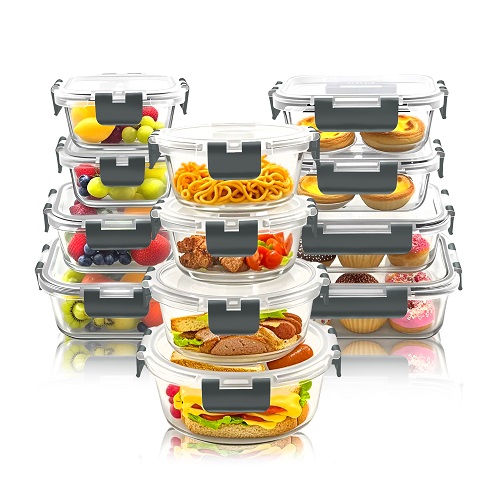 Glass Food Storage
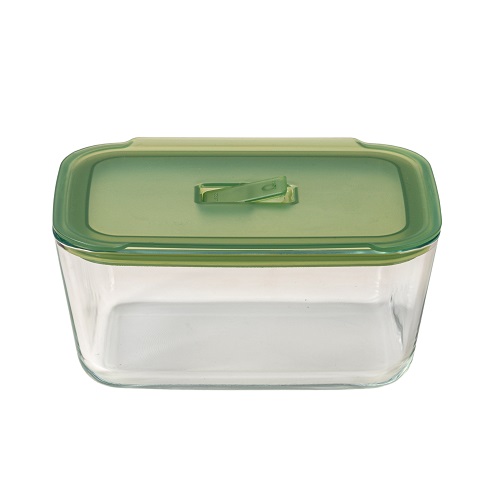 Vacuum Food Storage
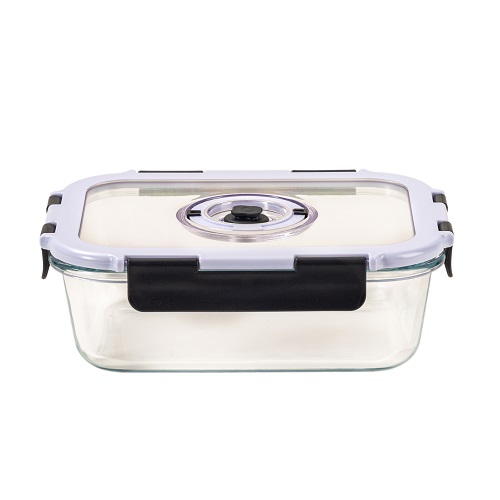 Vacuum Food Storage with Pump
 October 11,2026
 October 11,2026
 October 07,2026
Copyright ©2025 All Rights Reserved by Jiangsu Besfull Technology Co., Ltd.