
Meta Description: Understand the science behind glass's non-porous surface. Learn why glass food storage containers don't absorb odors or stains.
The non-porous nature of glass food storage containers is their key advantage. Understanding the science explains why glass outperforms plastic.
What Is Porosity?
Porosity refers to tiny holes or spaces in a material. Porous materials:
·
Absorb liquids and gases
·
·
Trap particles and molecules
·
·
Harbor bacteria in pores
·
·
Degrade over time
·
Why Glass Is Non-Porous
Glass is made from silica, which forms a smooth, continuous surface:
·
No holes or spaces
·
·
Impermeable to molecules
·
·
Nothing can penetrate
·
·
Completely smooth
·
The Molecular Structure
Glass has an amorphous (non-crystalline) structure:
·
Random arrangement of molecules
·
·
No gaps for molecules to enter
·
·
Dense and compact
·
·
Chemically stable
·
Plastic's Porosity
Plastic is porous at a microscopic level:
·
Gaps between polymer chains
·
·
Molecules can penetrate
·
·
Absorbs odors and stains
·
·
Degrades over time
·
How Porosity Affects Storage
Glass containers:
·
Don't absorb food molecules
·
·
No odor retention
·
·
No staining
·
·
Clean completely
·
Plastic containers:
·
Absorb food molecules
·
·
Odors linger
·
·
Stains remain
·
·
Never fully clean
·
The Cleaning Advantage
Glass containers:
·
Soap and water remove everything
·
·
No hidden residue
·
·
Completely clean surfaces
·
·
Hygienic storage
·
Health Implications
Non-porous glass:
·
No bacterial harborage
·
·
Chemical-free surface
·
·
Safe food contact
·
·
No degradation concerns
·
The Bottom Line
The non-porous nature of glass containers makes them superior for food storage. They don't absorb anything—just what you want from food storage.
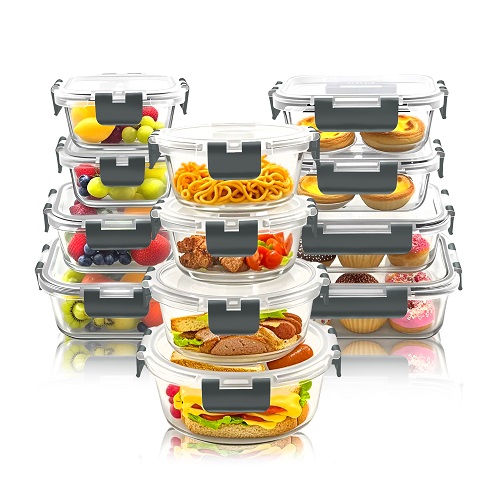 Glass Food Storage
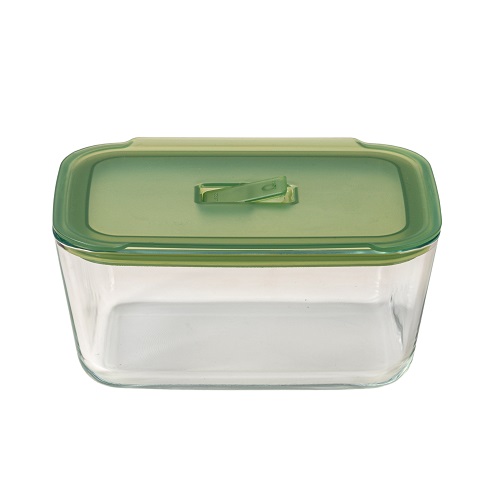 Vacuum Food Storage
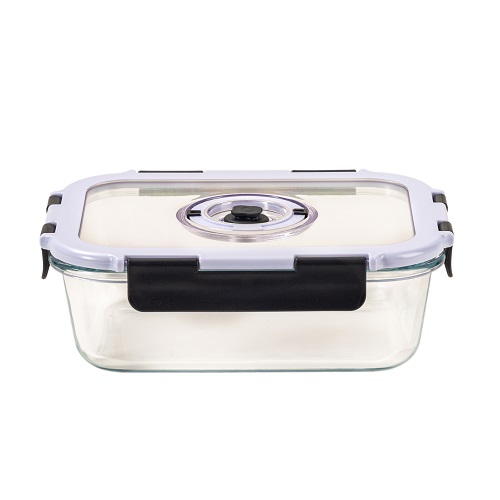 Vacuum Food Storage with Pump
 October 11,2026
 October 11,2026
 October 07,2026
Copyright ©2025 All Rights Reserved by Jiangsu Besfull Technology Co., Ltd.