
Meta Description: Learn about using glass food storage containers for hot foods. Understand temperature limits and safety guidelines.
Glass food storage containers are generally safe for hot foods. But proper use is important. Here's what you need to know about glass and hot foods.
Glass and Heat
Glass containers handle heat differently:
·
Borosilicate glass: withstands high temperatures
·
·
Soda-lime glass: lower heat tolerance
·
·
Temperature ratings vary by manufacturer
·
Thermal Shock Risk
Thermal shock occurs when glass experiences sudden temperature changes:
·
Hot glass placed on cold surface
·
·
Cold glass placed in hot oven
·
·
Rapid cooling or heating
·
Borosilicate glass resists thermal shock. Soda-lime glass is more vulnerable.
Safe Hot Food Practices
When storing hot foods in glass containers:
·
Cool food slightly before placing in container
·
·
Don't add cold liquid to hot glass
·
·
Place hot container on trivet or towel
·
·
Avoid direct contact with cold surfaces
·
Microwave Safety
Glass containers are microwave-safe when labeled:
·
Heat food directly in glass
·
·
Remove lids or vent
·
·
Stir food during heating
·
·
Use oven mitts to handle hot containers
·
Oven Safety
Some glass containers are oven-safe:
·
Check temperature rating
·
·
Don't exceed recommended temperature
·
·
Avoid broiler settings
·
·
Preheat oven with container
·
Freezer to Oven
Borosilicate glass can go from freezer to oven:
·
Check manufacturer guidelines
·
·
Thaw slightly if possible
·
·
Place on room temperature baking sheet
·
·
Avoid rapid temperature changes
·
When Not to Use Glass
Don't use glass containers for:
·
Stovetop cooking
·
·
Direct flame
·
·
Broiler use
·
·
Foods that expand significantly
·
The Bottom Line
Glass food storage containers are safe for hot foods when used correctly. Follow manufacturer guidelines, avoid thermal shock, and use appropriate glass types.
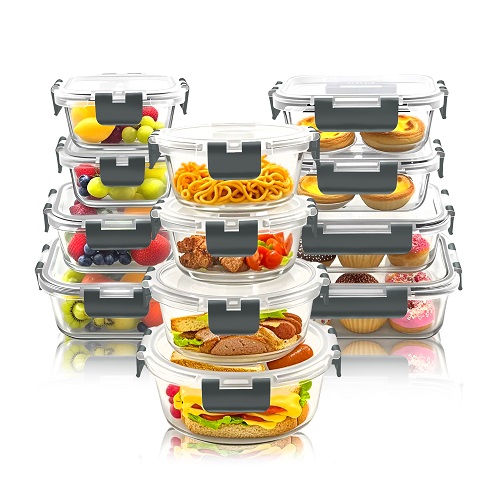 Glass Food Storage
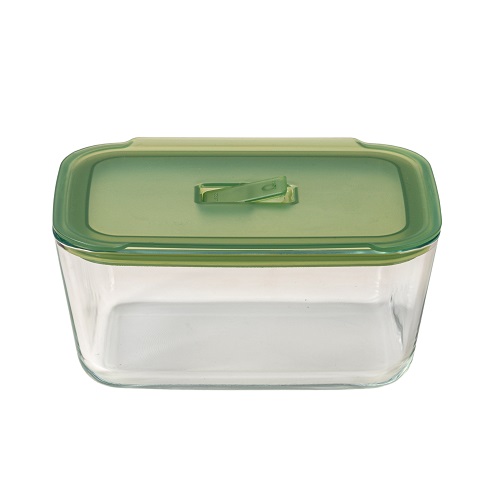 Vacuum Food Storage
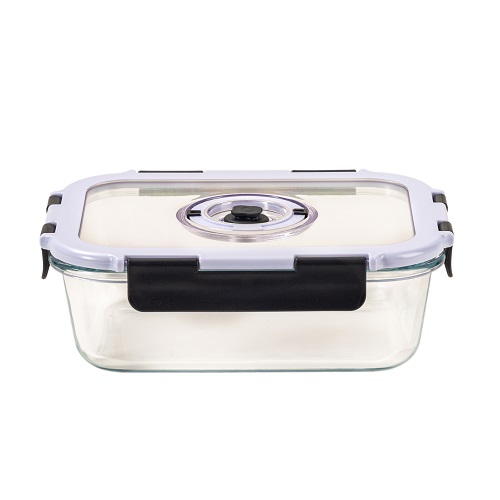 Vacuum Food Storage with Pump
 October 11,2026
 October 11,2026
 October 07,2026
Copyright ©2025 All Rights Reserved by Jiangsu Besfull Technology Co., Ltd.