
Glass Food Containers in History: From Ancient Rome to Modern Kitchens
Meta Description: Take a journey through glass container history, from ancient Roman storage jars to today's precision-engineered glass food storage containers.
Glass has preserved food for thousands of years. The history of glass containers mirrors human civilization itself, evolving from precious rarities to everyday kitchen essentials. Understanding this history deepens appreciation for modern glass food storage containers.
Ancient Origins
The earliest glass objects date to 3500 BCE in Mesopotamia. By 1500 BCE, Egyptians produced glass vessels for precious oils and cosmetics. These early containers were luxury items, available only to royalty and elite .
Roman Innovation
Romans revolutionized glass production around 50 BCE with glassblowing. This technique allowed faster, cheaper production of hollow vessels. Roman glass containers stored wine, oil, and preserved foods throughout the empire. Glass became accessible to ordinary citizens .
Chinese Glass Heritage
China developed an independent glass tradition. By the Warring States period (475-221 BC), Chinese craftsmen were using lead-barium formulas to produce true glass, which was unique to China. During the Northern and Southern Dynasties (420-589 AD), Persian glass craftsmen introduced the blowing molding method, making glass bowls, cups, and boxes possibleMedieval Preservation
Through the Middle Ages, glass remained valuable. Monasteries preserved foods in glass containers. Apothecaries stored herbs and medicines in glass jars. The transparency allowed visual inspection of contents—revolutionary for preservation .
Industrial Revolution
The 19th century transformed glass production. Mechanized pressing, invented in the 1820s, enabled mass production of affordable glass containers. The Mason jar, patented in 1858, revolutionized home canning and food preservation .
Borosilicate Breakthrough
In the late 19th century, German scientist Otto Schott developed borosilicate glass. This new composition resisted thermal shock, making it ideal for laboratory and kitchen use. Corning Glass Works commercialized this as Pyrex in 1915 .
Post-War Boom
After World War II, refrigerator ownership exploded. Glass containers evolved for this new appliance. Refrigerator dishes with airtight lids appeared. Colorful patterns made storage beautiful .
Modern Materials Science
Today's glass food storage containers benefit from advanced materials science. Manufacturers understand glass composition, thermal properties, and chemical interactions at molecular levels. This knowledge produces containers safer and more durable than ever .
Design Recognition
Contemporary glass containers earn design awards. IKEA 365+ received the 2018优良设计奖 for its modular platform . Lock&Lock's glass line won the 2011 Red Dot Design Award . These recognize glass as both functional and beautiful.
Global Industry
China now leads global glass production, with annual output exceeding 8万吨 from leading manufacturers . The industry continues evolving, with innovations in recycling, lightweighting, and specialty compositions.
The Future
Glass container history continues. Emerging technologies promise even better performance. Smart containers may eventually track freshness. Improved recycling reduces environmental impact. But the fundamental advantages of glass—inert, transparent, durable—remain unchanged.
Your Place in History
Every time you use glass food storage containers, you participate in a tradition spanning millennia. From Roman amphorae to modern kitchen cabinets, glass has preserved food and enhanced life. Your containers connect you to this rich history.
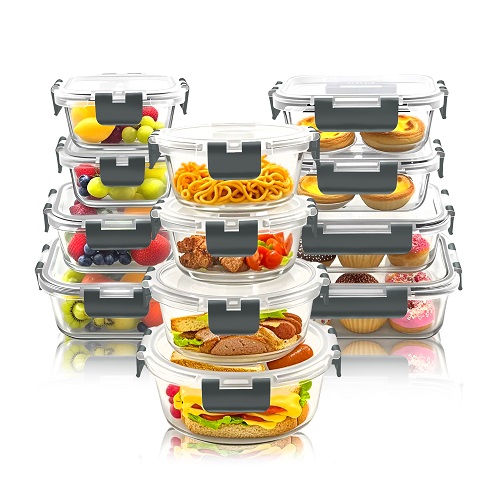 Glass Food Storage
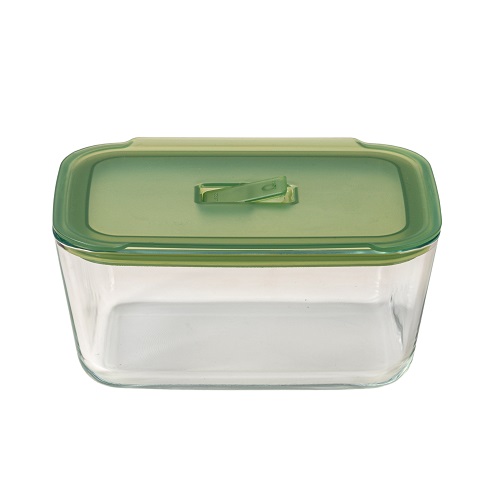 Vacuum Food Storage
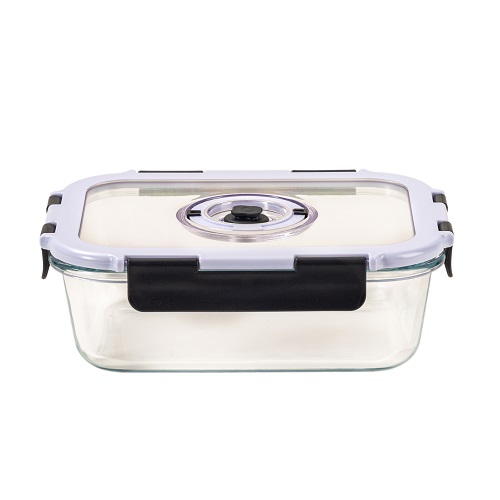 Vacuum Food Storage with Pump
 October 11,2026
 October 11,2026
 October 07,2026
Copyright ©2025 All Rights Reserved by Jiangsu Besfull Technology Co., Ltd.