
Meta Description: Create a zero-waste kitchen with glass food storage containers. Learn strategies for eliminating single-use plastics and embracing sustainable storage.
The zero-waste movement challenges us to rethink consumption. Kitchen waste—plastic bags, wrap, disposable containers—represents a significant opportunity for reduction. Glass food storage containers form the foundation of a zero-waste kitchen.
Refuse Single-Use
Zero-waste begins with refusal. Refuse plastic bags, cling film, and disposable containers. Instead, use glass food storage containers for everything from packed lunches to leftovers. Each refusal prevents waste before it exists .
Reduce Packaging
Buy in bulk using glass food storage containers. Bring containers to bulk bins, fill with grains, nuts, spices, and other dry goods. This eliminates packaging waste while allowing precise quantities.
Reuse Everything
Glass containers reuse endlessly. The same glass food storage container stores leftovers today, holds bulk rice tomorrow, freezes soup next week. This continuous reuse prevents disposal and reduces manufacturing demand .
Recycle Responsibly
When glass eventually breaks, recycle properly. Glass recycles infinitely without quality loss. Rinse broken glass, place in recycling bin. Never put glass in regular trash where it wastes landfill space .
Compost Food Scraps
Combine glass storage with composting. Store vegetable scraps in glass food storage containers before transferring to compost bin. Airtight lids prevent odors while scraps accumulate .
Grow Your Own
Use glass food storage containers for seed starting. Small containers with drainage holes start seedlings. Larger containers hold potting soil. After transplanting, containers return to kitchen duty .
Repair Before Replace
Zero-waste prioritizes repair. Replace worn lids on glass food storage containers rather than discarding entire containers. Some manufacturers offer replacement lids. Extend container life through maintenance.
Buy Second-Hand
Reduce manufacturing impact by buying second-hand. Vintage glass food storage containers often outlast new ones. Thrift stores frequently offer quality glass at fraction of new price.
Share with Community
Community sharing reduces individual consumption. Lend glass food storage containers to neighbors hosting gatherings. Share bulk purchases using containers. Build community around sustainability .
Educate Others
Share zero-waste practices. When packing lunches in glass food storage containers, colleagues notice. When shopping with containers, cashiers ask questions. Each interaction spreads sustainable practices .
Measure Impact
Track your waste reduction. Count how many plastic bags, wraps, and containers you've eliminated since switching to glass food storage containers. Celebrate this impact. Small changes add up .
The Zero-Waste Mindset
Ultimately, zero-waste is mindset more than perfection. Glass food storage containers support this mindset by providing durable, reusable, recyclable storage. Each use reinforces sustainable values.
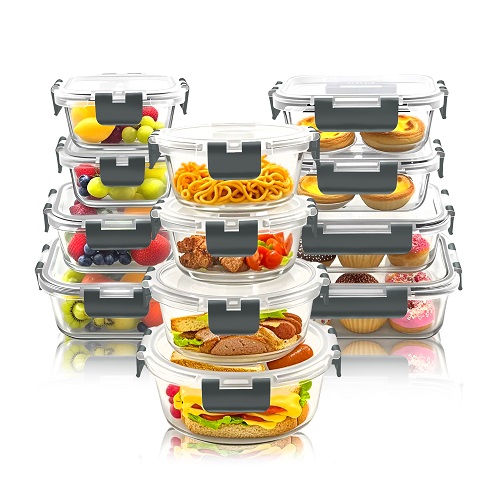 Glass Food Storage
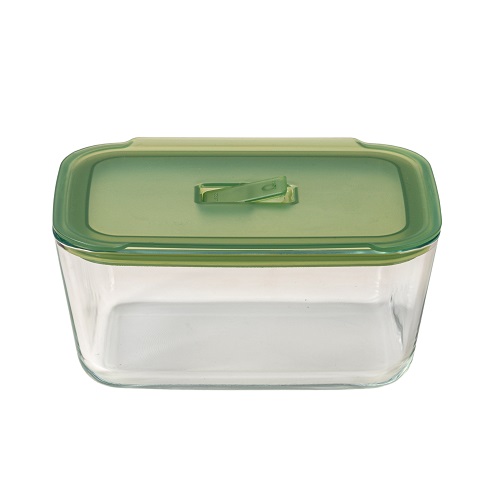 Vacuum Food Storage
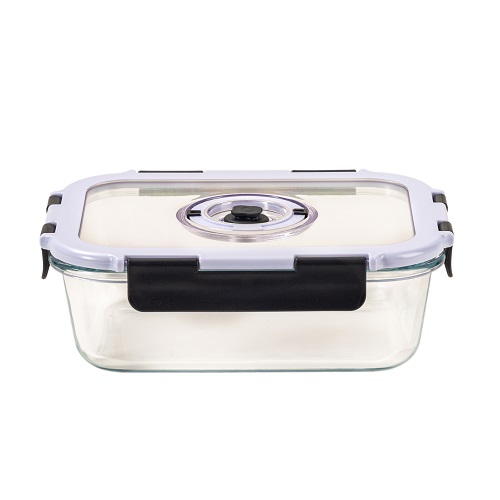 Vacuum Food Storage with Pump
 October 11,2026
 October 11,2026
 October 07,2026
Copyright ©2025 All Rights Reserved by Jiangsu Besfull Technology Co., Ltd.