
Meta Description: Managing food allergies requires careful storage. Learn how glass food storage containers prevent cross-contamination and keep allergic individuals safe.
Food allergies and dietary restrictions affect millions. For those managing these conditions, storage matters as much as ingredient selection. Cross-contamination can occur anywhere, including in storage containers. Glass food storage containers offer important advantages for allergy management.
The Cross-Contamination Risk
Plastic containers absorb food molecules over time . A container that held peanut sauce last week might still release peanut proteins this week—enough to trigger severe reactions in sensitive individuals. This invisible contamination poses serious risks.
Non-Porous Safety
Glass food storage containers have non-porous surfaces that resist absorption . Food molecules cannot penetrate the glass surface. After thorough cleaning, the container is truly clean—no residual allergens remain.
Visual Identification
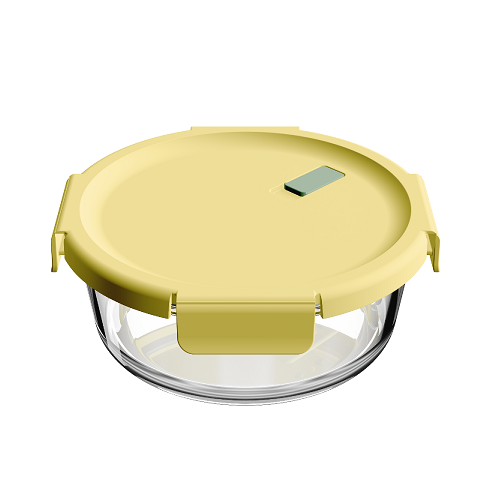
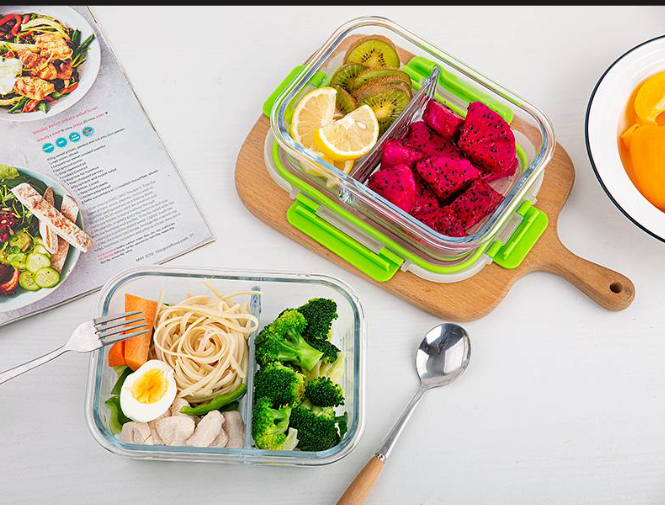
Clear glass food storage containers allow visual confirmation of contents . For households managing multiple allergies, this visibility prevents grabbing the wrong container. Color-coded lids or labels provide additional identification.
Dedicated Container Systems
Many allergy households designate specific glass food storage containers for specific individuals or allergens. Glass durability means these containers last indefinitely, maintaining their designated status for years.
Shared Kitchens
In households with both allergic and non-allergic members, shared kitchens require careful management. Glass food storage containers clearly separate allergen-containing foods from safe foods. Their easy-clean surfaces prevent cross-contamination between uses.
School and Work Lunches
For children with allergies, packed lunches require assurance. Packing lunches in glass food storage containers from home ensures no cross-contamination from shared kitchen containers. The airtight seals also prevent allergen exposure to others.
Restaurant Leftovers
Dining out with allergies requires constant vigilance. Bringing your own glass food storage containers for leftovers ensures that take-home food goes into clean, safe containers rather than potentially contaminated restaurant containers.
Labeling Strategies
Use permanent markers on glass-safe labels or chalk markers on designated lid areas. Label with contents, date, and allergen status. "Contains nuts" or "Gluten-free" clearly marked prevents confusion .
Cleaning Protocols
For allergy households, cleaning protocols matter. Glass food storage containers withstand high-temperature dishwashing that sanitizes effectively . They can also be boiled for complete sterilization if needed.
Traveling with Allergies
Travel presents allergy challenges. Pack glass food storage containers with safe foods for the journey. At your destination, use them for storing and reheating safe foods, avoiding potentially contaminated kitchen items.
Peace of Mind
Perhaps most valuable: glass provides peace of mind. You know your glass food storage containers are truly clean, truly safe. For those managing serious allergies, this confidence is priceless.
Building Safe Habits
Using glass food storage containers for allergy management builds safe habits. You develop systems that protect yourself or loved ones. These habits become automatic, reducing anxiety and improving quality of life.
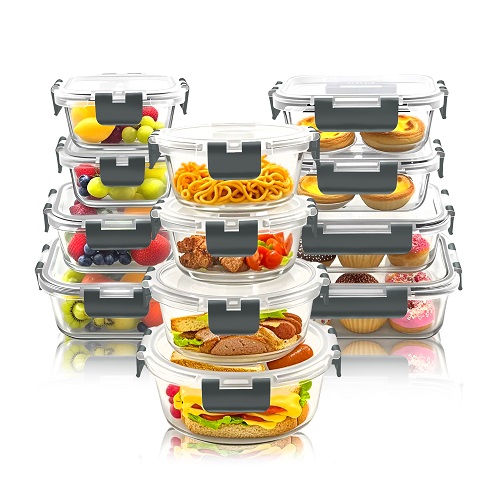 Glass Food Storage
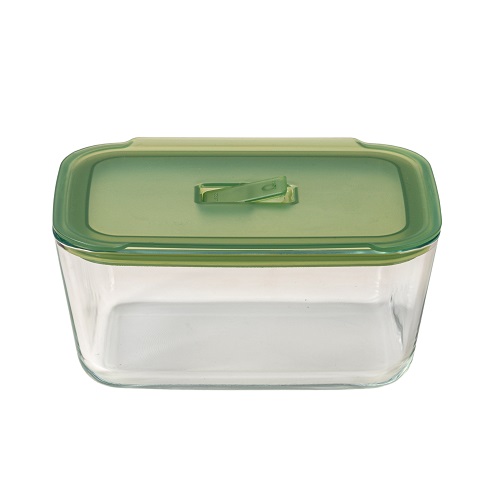 Vacuum Food Storage
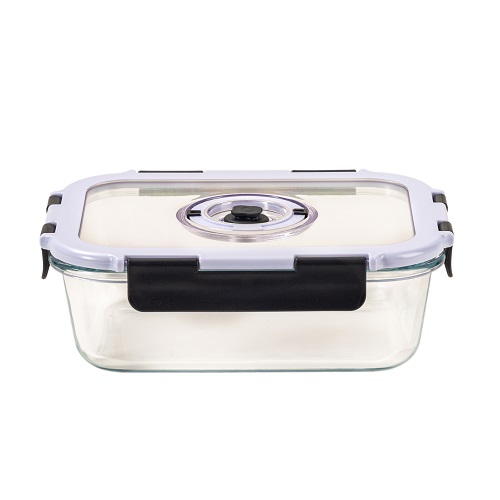 Vacuum Food Storage with Pump
 October 11,2026
 October 11,2026
 October 07,2026
Copyright ©2025 All Rights Reserved by Jiangsu Besfull Technology Co., Ltd.