
Meta Description: Take glass on the trail? Yes! Learn how to safely use glass food storage containers for camping, picnics, and outdoor dining experiences.
Taking glass food storage containers into the outdoors might seem counterintuitive. Won't they break? Aren't they too heavy? With proper planning, glass can actually enhance your outdoor dining experience while keeping food fresher longer.
Why Choose Glass for Outdoors
Plastic containers for camping often degrade in sun, absorb food odors, and retain flavors trip after trip. Glass food storage containers remain pristine regardless of conditions. They don't absorb campfire smoke odors or stain from trail chili .
Weight Considerations
Yes, glass is heavier than plastic. For car camping and base camps, this matters little. For backpacking, consider your priorities—glass's durability and chemical safety might justify the weight for shorter trips. Some campers use glass for base camp and lightweight options for day hikes.
Temperature Management
Glass excels at temperature retention. Pre-chill glass food storage containers for cold foods—they'll stay cold longer in your cooler. For hot foods, pre-warm containers before filling. Glass maintains temperature better than plastic .
Durability in the Wild
Modern borosilicate glass is surprisingly tough. It withstands bumps and jostles better than expected. Pack containers with soft items—clothing, towels, or sleeping bags—wrapped around them for cushioning. Avoid placing heavy items on top.
Picnic Perfection
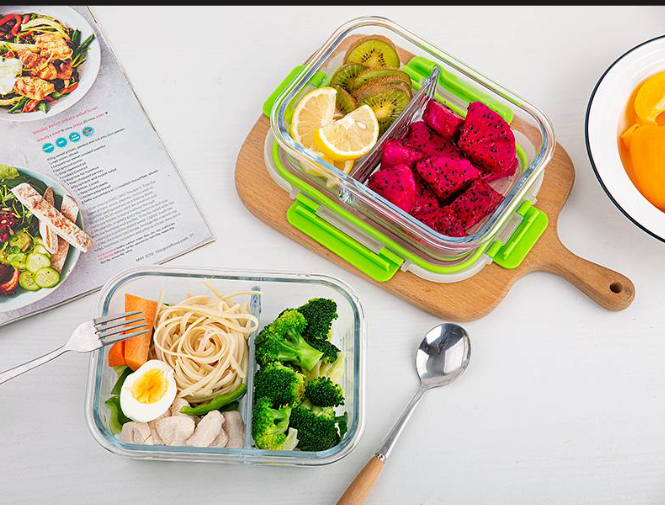
For picnics, glass food storage containers are ideal. Pack salads, dips, and main dishes in attractive containers that go directly from cooler to picnic table. Serve from the same containers, eliminating extra dishes. The airtight lids prevent leaks during transport .
Camp Kitchen Organization
Organize your camp kitchen with glass food storage containers. Pre-measured ingredients in labeled containers make camp cooking efficient. Store spices, oils, and condiments in small glass containers with tight-sealing lids.
Fire Cooking
Some glass food storage containers are oven-safe, making them useful for campfire cooking. Place container near coals (not in direct flames) for gentle heating. Always check manufacturer guidelines—not all glass is suitable for open-fire use .
Cleaning in the Wild
Cleaning dishes while camping challenges everyone. Glass food storage containers clean easily with minimal water—food releases quickly from non-porous surfaces. For tough residue, a quick soak followed by gentle scrubbing with sand or biodegradable soap works well.
Wildlife Considerations
In bear country, food storage regulations matter. Glass containers seal tightly, minimizing odors that attract wildlife. However, check local regulations—some areas prohibit glass due to breakage concerns.
Breakage Contingency
Despite precautions, glass can break. Pack a small bag for collecting fragments if breakage occurs. Dispose of glass properly—never leave broken glass in nature. Consider silicone sleeves that contain fragments if breakage occurs .
The Joy of Real Plates
After days of eating from plastic camp dishes, serving a meal from real glass food storage containers feels luxurious. It elevates the outdoor dining experience, making camp meals feel special.
Sustainable Outdoor Ethics
Leave No Trace principles guide outdoor ethics. Glass food storage containers align with these principles—they create no waste, last indefinitely, and when they eventually break, the material is inert and recyclable .
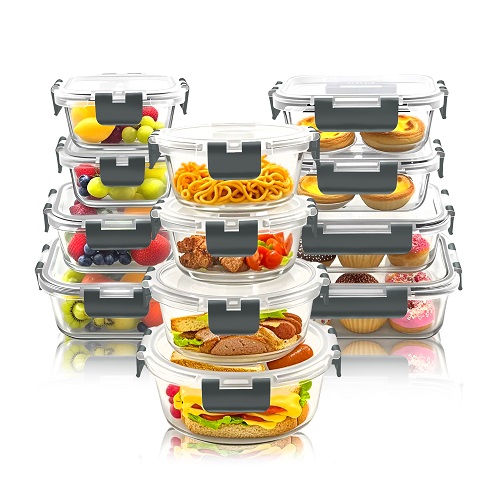 Glass Food Storage
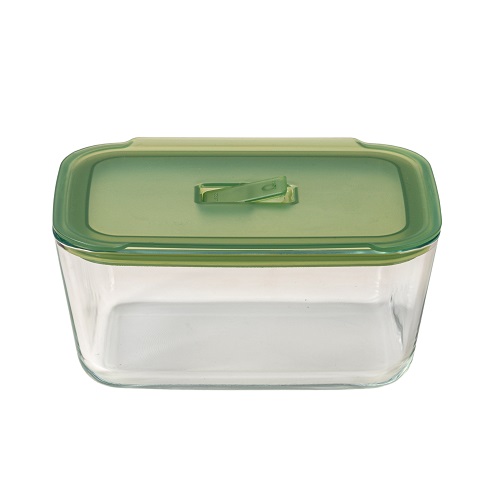 Vacuum Food Storage
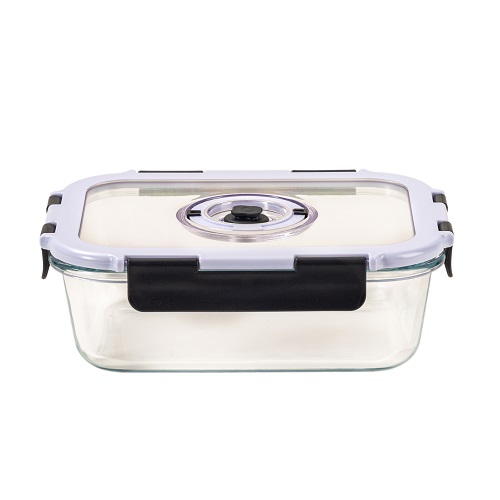 Vacuum Food Storage with Pump
 October 11,2026
 October 11,2026
 October 07,2026
Copyright ©2025 All Rights Reserved by Jiangsu Besfull Technology Co., Ltd.