
Meta Description: Starting a food business? Learn how glass food storage containers can elevate your meal delivery service and meet cottage food safety requirements.
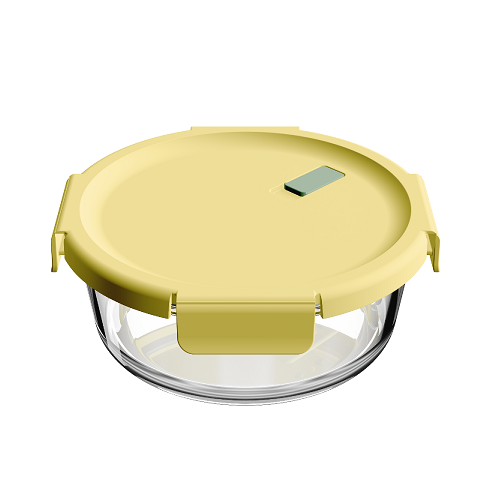
The cottage food industry has exploded, with home bakers and meal prep entrepreneurs turning passions into businesses. For these small food operations, packaging choices impact food safety, customer perception, and regulatory compliance. Glass food storage containers offer distinct advantages for food entrepreneurs.
Professional Presentation
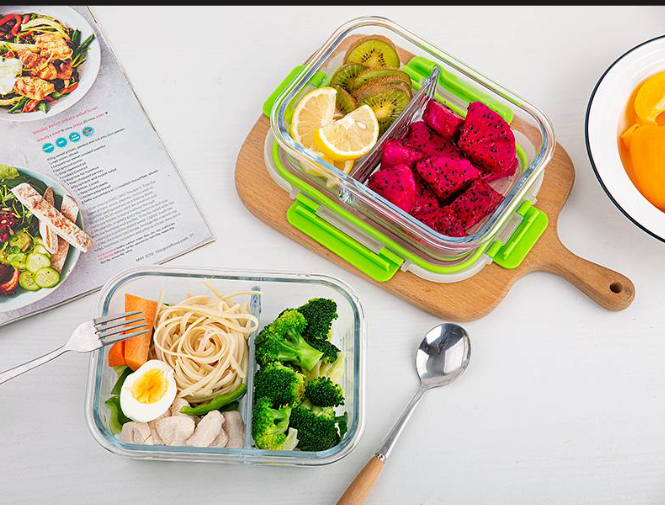
When customers receive meals in beautiful glass food storage containers, perceived value increases immediately. The premium feel of glass suggests quality ingredients and careful preparation. This first impression can justify higher prices and encourage repeat business .
Food Safety Compliance
Cottage food regulations vary by location, but all require safe food storage. Glass food storage containers meet the highest food safety standards—non-porous surfaces prevent bacterial harborage, inert chemistry ensures no chemical leaching, and heat resistance allows thorough sanitization .
Reusable Container Programs
Some meal services implement reusable container programs. Customers pay a deposit, receive meals in glass food storage containers, and return containers for credit on future orders. This reduces packaging waste and builds customer loyalty. The durability of glass makes this model viable—containers withstand dozens of cycles .
Temperature Challenges
Delivery services face temperature challenges. Glass food storage containers maintain temperature better than plastic, keeping hot foods hot and cold foods cold during transport . This improves food quality upon arrival.
Leak-Proof Requirements
Delivering soups, sauces, and curries requires an absolutely sealed container. Look for containers with verified leak-proof designs, such as Lock&Lock's patented locking system. Be sure to test thoroughly before offering menu items with a lot of liquid.
Labeling Considerations
Cottage food regulations often require labeling with ingredients, allergen information, and business details. Glass food storage containers accept various labeling methods—adhesive labels, chalk markers on designated areas, or even etched markings.
Batch Consistency
When producing multiple meals, consistency matters. Glass food storage containers with standardized sizes help ensure portion consistency across your product line . Customers receive the same amount every time.
Customer Reuse Value
Customers appreciate containers they can reuse. When your meals arrive in glass food storage containers, customers keep and reuse them, extending your brand presence in their kitchens. Your container becomes ongoing advertising .
Regulatory Documentation
Health inspectors may ask about food contact materials. Reputable glass manufacturers provide documentation of food safety certifications (FDA, LFGB, SGS). Keep this documentation for regulatory reviews .
Cost Considerations
Glass costs more upfront than plastic or disposable options. Calculate your pricing to account for this investment. For reusable programs, factor in container return rates and lifespan. Quality glass may cost more initially but pays off through customer satisfaction and longevity.
Marketing Your Choice
Promote your glass container choice in marketing materials. "We package our meals in premium glass food storage containers for your safety and the environment" resonates with health-conscious customers . This transparency builds trust.
Scaling Your Business
As your business grows, sourcing matters. Establish relationships with reputable glass manufacturers or distributors. Consider custom containers with your logo for professional branding. Plan for bulk storage of empty containers.
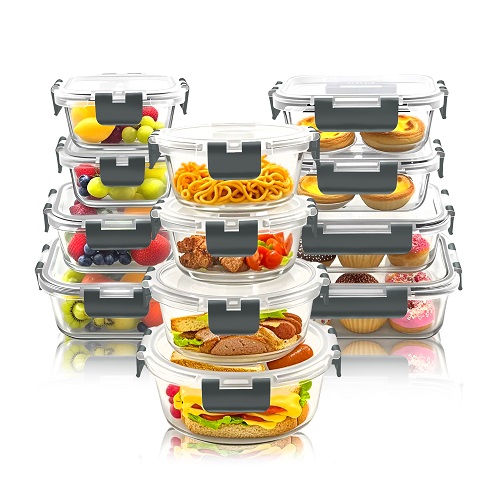 Glass Food Storage
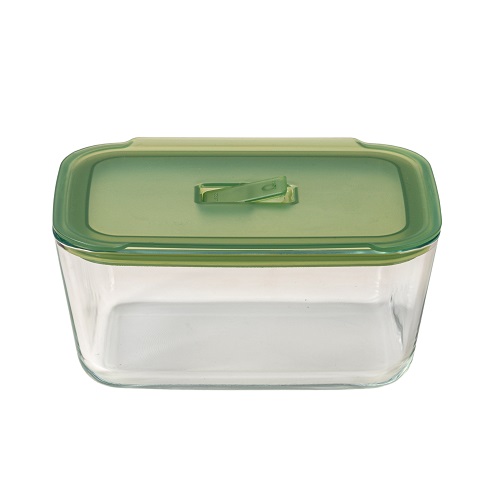 Vacuum Food Storage
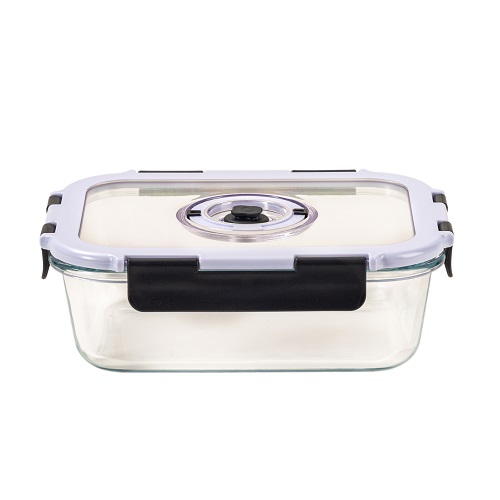 Vacuum Food Storage with Pump
 October 11,2026
 October 11,2026
 October 07,2026
Copyright ©2025 All Rights Reserved by Jiangsu Besfull Technology Co., Ltd.